
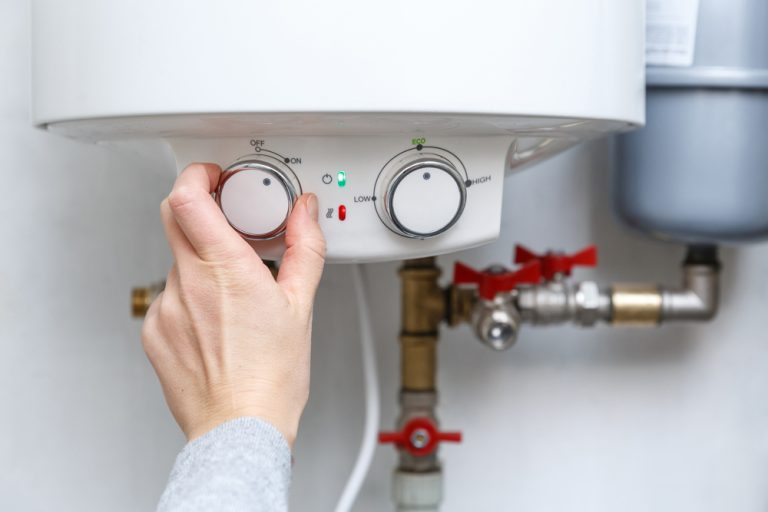

Proper water heater maintenance tips to maximize its lifespan are essential for homeowners who want reliable hot water, lower energy bills, and fewer unexpected breakdowns. In this detailed guide, you’ll learn the most effective water heater maintenance tips, why routine care matters, and how simple preventive steps can significantly extend your water heater’s lifespan. Regular maintenance not only improves efficiency but also helps avoid costly repairs or early replacement. At HomeFix Services, we help homeowners protect their water heaters through professional inspections and expert maintenance support.
Flush The Tank Annually
Why Annual Tank Flushing Is Important
One of the most important water heater maintenance tips to maximize its lifespan is flushing the tank annually. Over time, sediment and mineral deposits from hard water settle at the bottom of the tank. This buildup creates a barrier between the heating element and the water, forcing the heater to work harder and consume more energy.
Sediment accumulation can also cause popping or rumbling noises, uneven water heating, and overheating of internal components. If left unchecked, sediment can lead to corrosion and premature tank failure.
How Tank Flushing Helps Extend Water Heater Lifespan
Flushing the tank removes sediment before it causes damage. By clearing out debris, the heating elements operate more efficiently, reducing strain on the system. This simple maintenance step improves performance, lowers energy costs, and significantly extends the water heater’s lifespan.
Inspect The Anode Rod
What the Anode Rod Does
The anode rod plays a critical role in protecting your water heater tank from rust and corrosion. Made from magnesium, aluminum, or zinc, the anode rod attracts corrosive elements in the water, sacrificing itself to prevent the steel tank from corroding.
Without a functioning anode rod, corrosion attacks the tank directly, leading to leaks and eventual failure.
When and How to Inspect or Replace the Anode Rod
Inspect the anode rod every one to two years as part of regular water heater maintenance. If the rod is heavily corroded or reduced to less than half its original thickness, it should be replaced. Replacing an anode rod is far less expensive than replacing an entire water heater and can add years to the unit’s lifespan.
Test the Temperature and Pressure Relief Valve
Purpose of the TPR Valve
The temperature and pressure relief (TPR) valve is a vital safety component. It releases excess pressure and heat from the tank, preventing dangerous conditions that could cause leaks or even tank rupture.
A faulty TPR valve puts your home and plumbing system at risk.
How to Test the TPR Valve Safely
To test the TPR valve, place a bucket beneath the discharge pipe and gently lift the valve’s lever. Water should flow freely and stop once the lever is released. If no water flows or the valve continues to drip afterward, it may need replacement.
Testing the TPR valve annually ensures safe operation and protects your water heater from internal pressure damage.
Adjust the Thermostat to a Safe Setting
Ideal Temperature Settings for Water Heaters
One of the simplest water heater maintenance tips to maximize its lifespan is setting the thermostat correctly. The recommended temperature for most homes is around 120°F (49°C). Higher settings increase energy consumption and accelerate wear on internal components.
Benefits of Proper Temperature Adjustment
Lowering the thermostat reduces stress on the heating elements, lowers energy bills, and minimizes the risk of scalding injuries. Maintaining a safe temperature setting also slows mineral buildup, contributing to a longer-lasting water heater.
Insulate the Tank and Pipes
Why Insulation Matters
Insulating your water heater tank and pipes helps retain heat, reducing the workload on the system. Heat loss forces the water heater to cycle more frequently, increasing wear and energy use.
Insulation is especially beneficial in colder climates or unheated spaces like basements and garages.
Areas to Insulate
Insulate the water heater tank using an insulation blanket designed for your unit type. Hot water pipes should also be insulated, particularly the first few feet leaving the tank. Proper insulation improves efficiency and supports long-term performance.
Schedule Regular Professional Inspections
What Professionals Check During an Inspection
Professional water heater inspections go beyond basic homeowner maintenance. A licensed technician checks heating elements, electrical or gas connections, pressure levels, sediment buildup, and overall system performance.
Early detection of issues helps prevent unexpected failures.
How Professional Maintenance Extends Water Heater Lifespan
Regular professional inspections ensure all components operate safely and efficiently. Minor adjustments or part replacements performed early can prevent major damage, extend the water heater’s lifespan, and improve reliability.
Final Thoughts on Water Heater Maintenance Tips to Maximize Its Lifespan
Following these water heater maintenance tips to maximize its lifespan helps homeowners avoid costly repairs, improve energy efficiency, and enjoy consistent hot water year-round. Simple tasks like flushing the tank, inspecting the anode rod, and scheduling professional inspections make a significant difference over time.
For expert water heater maintenance, inspections, or replacement services, contact Home Fix Services today.
Call Now: 380 979 0328

Leave a Reply