
The home repipe process is an important topic for homeowners dealing with old, leaking, or unreliable plumbing systems. Understanding the home repipe process helps you know what to expect when replacing outdated pipes, improving water pressure, enhancing water quality, and preventing future plumbing failures. In this complete guide by HomeFix Services, you’ll learn how the home repipe process works, what steps are involved, why repiping becomes necessary, and how to decide if your home is ready for a full repipe.
Understanding the Home Repipe Process
Understanding the home repipe process begins with knowing the full process from inspection to completion.
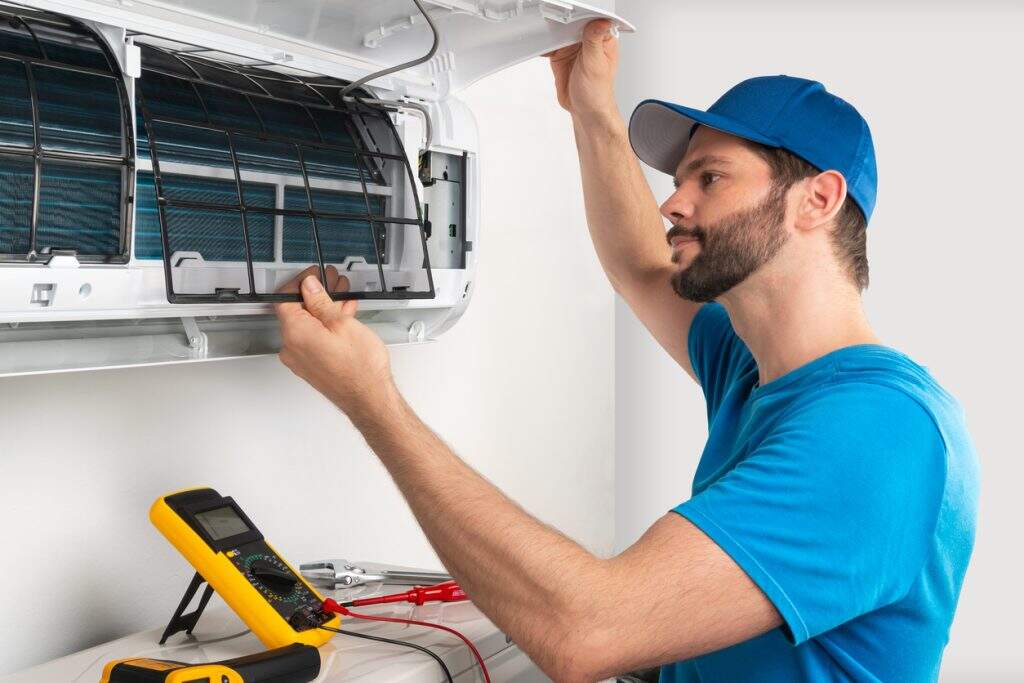
Initial Inspection and Assessment
The home repipe process starts with a detailed inspection of your plumbing system. A professional plumber checks for leaks, corrosion, low water pressure, pipe material type, and overall pipe condition. This assessment helps determine the scope of the repipe and the best materials to use.
Planning the Repipe Layout
After inspection, plumbers plan the repipe layout. This includes identifying access points, deciding which walls or ceilings need limited openings, and planning how to minimize disruption to daily activities. Careful planning ensures efficiency and accuracy.
Pipe Removal and Replacement
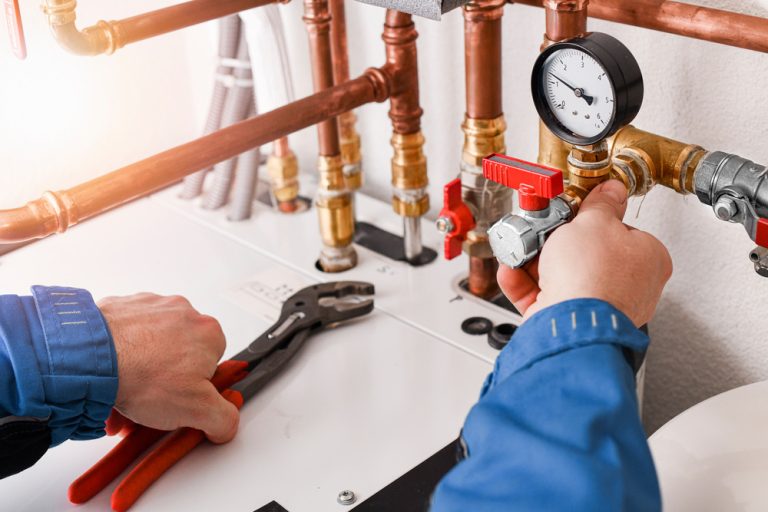
Old pipes are carefully removed or abandoned while new pipes are installed. This step is the core of the home repipe process. Plumbers replace supply lines, reroute pipes if needed, and connect new fittings to fixtures such as sinks, toilets, showers, and appliances.
Testing and Final Inspection
Once installation is complete, the new piping system is pressure-tested to check for leaks. Plumbers then inspect connections, restore water flow, and ensure the system meets plumbing codes. Walls and access points are closed once everything is verified.
Why Consider a Home Repipe?
Knowing why homeowners choose repiping helps explain the home repipe process.
Frequent Leaks and Pipe Failures
Recurring leaks often indicate failing pipes. Temporary repairs may no longer be effective, making a full home repipe the best long-term solution.
Low Water Pressure Problems
Mineral buildup, corrosion, and narrowing pipes reduce water pressure. Repiping restores strong, consistent water flow throughout the home.
Discolored or Rusty Water
Brown or yellow water often means pipe corrosion. Repiping eliminates contamination and improves water quality.
Aging Plumbing Systems
Older homes with galvanized or polybutylene pipes are at higher risk of sudden failure. Replacing these materials increases safety and reliability.
Materials Used in a Home Repipe
Choosing the right materials is a major part of the home repipe process.
Copper Piping
Copper is durable, long-lasting, and resistant to bacteria. It is commonly used in repiping projects but may cost more than other options.
PEX Piping
PEX is flexible, corrosion-resistant, and easier to install. It has become one of the most popular materials for modern home repipes due to its affordability and durability.
CPVC Piping
CPVC is another option suitable for hot and cold water lines. It is cost-effective and resistant to corrosion, though it is more rigid than PEX.
Choosing the Right Material
The best material depends on water quality, budget, home layout, and local plumbing codes. Professional guidance helps ensure the right choice.
Is It Time to Repipe?
Recognizing the signs helps homeowners decide the home repipe process and when it’s necessary.
Signs Your Home May Need Repiping
Common signs include frequent leaks, reduced water pressure, noisy pipes, visible corrosion, and rising water bills.
Repair vs Repipe Comparison
While repairs may seem cheaper, repeated fixes add up. A full repipe offers long-term savings and peace of mind.
When to Consult a Professional Plumber
If your home is over 30 years old or experiencing ongoing plumbing issues, a professional evaluation can determine if repiping is the best solution.
Conclusion
Understanding the home repipe process helps homeowners make informed decisions about their plumbing systems. A properly completed repipe improves water quality, increases efficiency, and prevents costly future repairs. For trusted guidance and professional repiping services, contact Home Fix Services.
Call us today: 380 979 0328

Leave a Reply