

Understanding plumbing trap purpose and function is essential for every homeowner because plumbing traps play a critical role in keeping your home safe, hygienic, and odor-free. In this detailed guide, we’ll explain how plumbing traps work, why they matter, common problems they face, and when you should call a professional plumber. Whether you’re dealing with slow drains, bad smells, or planning a plumbing upgrade, knowing the plumbing trap purpose and function can help you make smarter decisions and avoid costly repairs.
What Is a Plumbing Trap and Its Purpose?
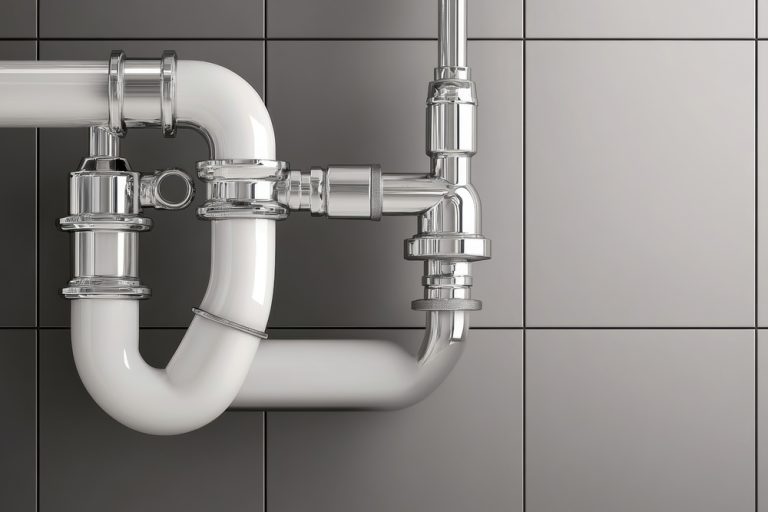
A plumbing trap is a curved section of pipe installed beneath sinks, toilets, showers, and other fixtures. The primary plumbing trap purpose and function is to hold a small amount of water that blocks sewer gases from traveling back into your home. Without a properly working plumbing trap, unpleasant odors, harmful gases, and even pests could enter your living space.
Plumbing traps may seem like a small component of your drainage system, but they are one of the most important parts of residential and commercial plumbing. Building codes require plumbing traps because they protect indoor air quality and overall health.
Understanding What a Plumbing Trap Is (Plumbing Trap Purpose and Function)
Definition of a Plumbing Trap
A plumbing trap is a U-shaped or curved pipe designed to retain water at all times. This retained water acts as a seal that prevents sewer gases from escaping into the home. The plumbing trap purpose and function revolves around safety, sanitation, and proper drainage.
How a Plumbing Trap Works
Every time water flows through a sink or drain, some of it remains in the curve of the trap. This trapped water forms a barrier between your home and the sewer system. While wastewater passes through easily, gases cannot pass through the water seal, making the plumbing trap purpose and function extremely effective.
Types of Plumbing Traps
Different plumbing fixtures require different trap designs, but all serve the same plumbing trap purpose and function.
- P-Trap: The most common trap used under sinks and tubs. It connects directly to a wall drain.
- S-Trap: An older design that drains through the floor; often replaced due to siphoning risks.
- Bottle Trap: Compact and stylish, often used in modern bathrooms.
- Drum Trap: Found in older homes, larger in size, and prone to clogging.
Where Plumbing Traps Are Commonly Installed
Plumbing traps are installed under kitchen sinks, bathroom sinks, bathtubs, showers, floor drains, and toilets. Each location depends on the plumbing trap purpose and function to block sewer gases while allowing smooth drainage.
Common Issues with Plumbing Traps (Plumbing Trap Purpose and Function Problems)
Clogs and Blockages
Hair, grease, soap residue, and food particles often collect in plumbing traps. Because of the curved design, traps are more prone to clogs than straight pipes, affecting the plumbing trap purpose and function.
Dry Traps and Sewer Gas Smells
When a fixture isn’t used frequently, the water inside the trap can evaporate. This leads to dry traps, allowing sewer odors to enter your home and defeating the plumbing trap purpose and function.
Leaks and Loose Connections
Over time, washers, nuts, and seals may loosen, causing leaks. Even a small leak can compromise the plumbing trap purpose and function and lead to water damage.
Corrosion and Wear Over Time
Metal traps can corrode, especially in older plumbing systems. Corrosion weakens the trap, increasing the risk of leaks and failure.
Improper Installation Problems
Incorrect slope, wrong trap size, or missing venting can lead to siphoning, slow drainage, and recurring odors, reducing the effectiveness of the plumbing trap purpose and function.
Why Plumbing Traps Matter (Plumbing Trap Purpose and Function Explained)
Preventing Sewer Gas from Entering Your Home
Sewer gases contain methane, ammonia, and hydrogen sulfide. A properly working plumbing trap purpose and function is to stop these gases from entering your living space.
Protecting Indoor Air Quality
Poor indoor air quality can cause headaches, nausea, and respiratory problems. Plumbing traps contribute directly to a healthier indoor environment.
Meeting Plumbing Code Requirements
Plumbing codes require traps on nearly all fixtures. This ensures that every building meets safety standards tied to plumbing trap purpose and function.
Preventing Pest and Insect Entry
Rodents and insects can travel through sewer lines. The water barrier inside the trap prevents pests from entering your home.
Supporting Overall Drain System Health
Plumbing traps also help catch debris before it enters deeper drain lines, making maintenance easier and protecting your plumbing system.
Why Choose Us for Plumbing Services (Plumbing Trap Purpose and Function Experts)
Experienced and Licensed Plumbers
At homefixservices.us, our licensed plumbers understand the plumbing trap purpose and function in all residential and commercial systems.
Plumbing Trap Repair and Replacement Services
We provide expert trap cleaning, repair, and replacement to restore proper drainage and odor control.
Affordable and Transparent Pricing
Our pricing is honest, upfront, and competitive—no hidden fees, just reliable plumbing solutions.
Emergency Plumbing Support
From sewer odors to sudden leaks, our team is available for urgent plumbing trap issues.
Customer Satisfaction Guarantee
We stand behind our work and ensure every customer receives long-lasting, code-compliant solutions.
Signs You Need Plumbing Trap Repair or Replacement
- Persistent sewer smells
- Slow draining sinks or tubs
- Visible leaks under fixtures
- Gurgling sounds from drains
- Frequent clogs
These signs often indicate that the plumbing trap purpose and function is compromised.
DIY vs Professional Plumbing Trap Installation
While minor cleaning can be DIY, improper installation can cause long-term damage. Professional plumbers ensure correct sizing, venting, and compliance with plumbing codes, preserving the plumbing trap purpose and function.
FAQs About Plumbing Trap Purpose and Function
Q: Can I clean a plumbing trap myself?
Yes, simple clogs can often be removed, but recurring problems require professional inspection.
Q: How often should plumbing traps be inspected?
At least once a year, or whenever odors or drainage issues appear.
Q: Are plumbing traps required by law?
Yes, plumbing codes require traps on most fixtures for safety reasons.
Final Thoughts
Understanding the plumbing trap purpose and function helps homeowners prevent odors, maintain healthy air quality, and protect their plumbing systems. Regular maintenance and professional inspections ensure your plumbing traps continue working efficiently for years to come.
Need expert plumbing help?
Visit Home Fix Services.us or call 380 979 0328

Leave a Reply