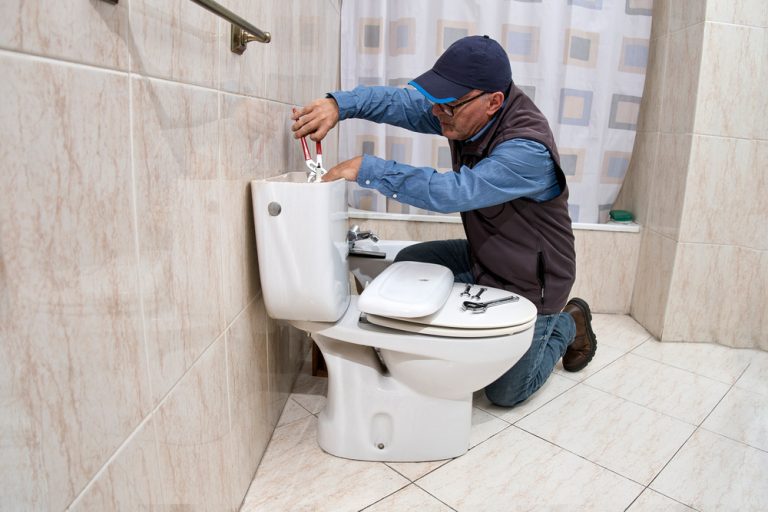

Proper toilet care is something many homeowners overlook until a problem suddenly appears. From constant clogs to hidden leaks and rising water bills, small toilet issues can quickly turn into costly plumbing emergencies. That’s why understanding toilet maintenance tips is essential for keeping your bathroom functional, hygienic, and problem-free. In this guide, HomeFixServices.us explains how simple maintenance habits can prevent major plumbing repairs, extend your toilet’s lifespan, and help you avoid unnecessary expenses. Whether you own a single bathroom or manage multiple properties, these toilet maintenance tips will help you stay ahead of plumbing problems.
Understanding the Importance of Toilet Maintenance Tips
Regular toilet maintenance is not just about convenience—it directly affects your home’s plumbing health, water efficiency, and safety. Many serious toilet failures start as small, easily preventable issues that are ignored over time.
Toilets are used multiple times every day, which means their internal parts experience constant wear and tear. Components like the flapper, fill valve, and flush handle slowly degrade, often without visible signs. Without routine checks, these parts can fail unexpectedly, leading to leaks, weak flushing, or complete toilet malfunction.
Another reason toilet maintenance is critical is water conservation. A poorly maintained toilet can waste hundreds of gallons of water every month. Silent leaks, running tanks, or incorrect water levels often go unnoticed but significantly increase utility bills. Maintaining your toilet ensures it operates efficiently while saving water and money.
From a hygiene perspective, neglected toilets can become breeding grounds for bacteria, mold, and unpleasant odors. Cracks, leaks, and buildup around the base allow moisture to seep into flooring, creating long-term structural damage. Consistent toilet maintenance helps maintain a clean, healthy bathroom environment and protects your home’s value.
Watch What Goes Down the Toilet to Avoid Costly Repairs
One of the most important toilet maintenance tips is being mindful of what you flush. Toilets are designed for human waste and toilet paper only—nothing else.
Many plumbing emergencies occur because people flush items labeled “flushable,” such as wipes, paper towels, cotton pads, or hygiene products. These materials do not break down like toilet paper and often cause blockages deep within the plumbing system. Over time, repeated flushing of inappropriate items leads to clogged drains, sewer backups, and pipe damage.
Even items that seem harmless—like dental floss or hair—can wrap around pipe interiors and trap debris. In older homes, these blockages become even more dangerous due to aging pipes and narrower drain lines.
To maintain a healthy toilet system:
- Never flush wipes, diapers, or sanitary products
- Avoid flushing grease, food waste, or cleaning materials
- Place a small trash bin in the bathroom for non-flushable items
Educating household members, especially children, is a simple yet effective way to prevent plumbing issues and protect your toilet system long-term.
Address Leaks Promptly as Part of Smart Toilet Maintenance Tips
Leaks are one of the most damaging toilet problems when left untreated. Even minor leaks can waste water, damage flooring, and weaken structural supports over time.
Common toilet leaks occur in several areas:
- Inside the tank due to worn flappers or faulty fill valves
- Around the base caused by a damaged wax ring
- From supply line connections
- Hairline cracks in the tank or bowl
A running toilet may seem like a small inconvenience, but it can waste hundreds of gallons of water each month. Worse, leaks at the toilet base often go unnoticed until flooring becomes soft or mold appears.
Signs you may have a hidden leak include:
- Constant refilling sounds
- Water pooling around the toilet base
- Higher-than-normal water bills
- Musty odors near the bathroom
Quickly addressing leaks prevents water damage and avoids expensive subfloor repairs. While some minor issues can be fixed with replacement parts, persistent leaks should always be inspected by a professional plumber to ensure there are no underlying structural or drainage problems.
Check the Water Level in the Tank for Proper Toilet Performance
Maintaining the correct water level inside the toilet tank is essential for strong flushing and water efficiency. Too much water wastes resources, while too little water results in weak or incomplete flushes.
The ideal water level usually sits about one inch below the overflow tube. If the water level is too high, excess water drains continuously into the bowl, causing silent water loss. If the level is too low, the toilet may require multiple flushes, increasing water usage and frustration.
Issues affecting tank water levels include:
- Misaligned float mechanisms
- Worn fill valves
- Sediment buildup from hard water
- Improper installation
Regularly checking your toilet tank allows you to spot early signs of malfunction. Adjusting the float or replacing aging components can restore proper function and improve flushing performance.
If tank components are old or corroded, replacing them as part of routine toilet maintenance can prevent unexpected breakdowns and extend the life of your toilet system.
Avoid Chemical Drain Cleaners to Protect Your Toilet System
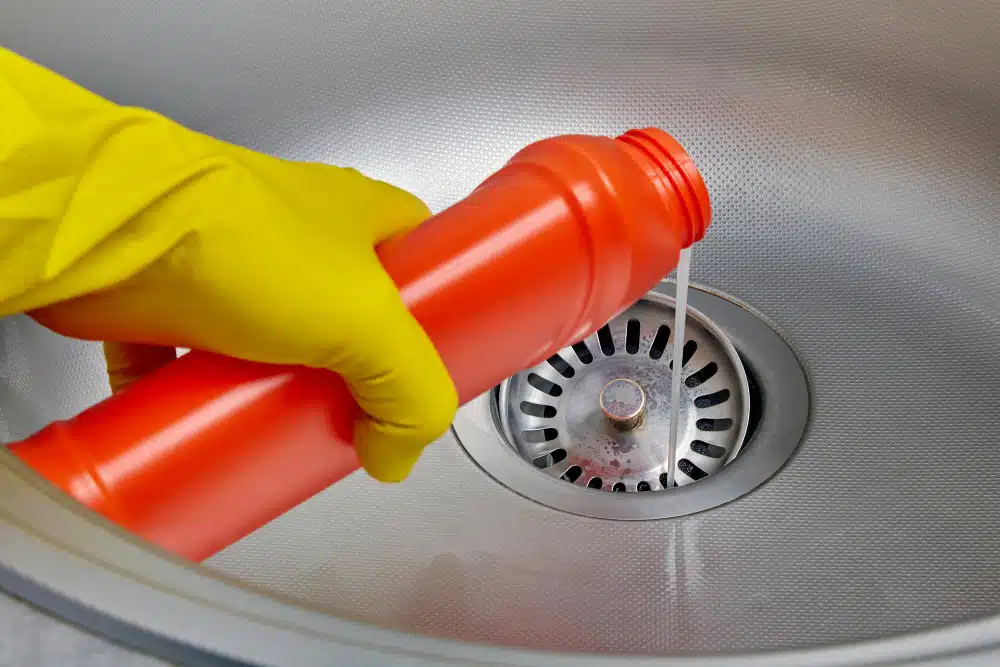
While chemical drain cleaners promise fast results, they often cause more harm than good—especially for toilets. These harsh chemicals generate heat and corrosive reactions that can damage porcelain, rubber seals, and internal plumbing components.
Repeated use of chemical drain cleaners weakens pipes over time, increasing the risk of cracks, leaks, and pipe failure. In homes with septic systems, these chemicals also disrupt beneficial bacteria, leading to long-term drainage problems.
Safer alternatives include:
- Using a toilet plunger designed for toilets
- Applying enzyme-based cleaners for organic buildup
- Flushing with hot water and mild cleaning solutions
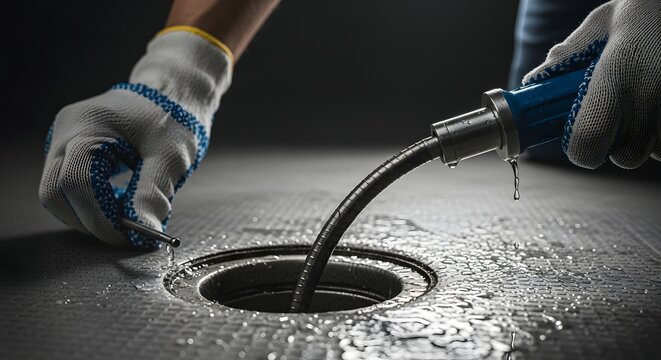
For recurring clogs, professional drain cleaning is the safest and most effective option. Professional plumbers use specialized tools that clear blockages without harming your plumbing system.
Choosing safer solutions protects your pipes and aligns with responsible toilet maintenance practices.
Schedule Regular Inspections for Long-Term Toilet Maintenance
One of the most overlooked toilet maintenance tips is scheduling regular professional inspections. Even if your toilet appears to function normally, internal issues may be developing out of sight.
During a professional inspection, plumbers typically check:
- Internal tank components
- Seal integrity around the base
- Drain line performance
- Venting and flushing efficiency
- Signs of corrosion or leaks
Routine inspections help identify problems early, reducing the risk of emergency repairs. Homes with older plumbing systems benefit especially from regular assessments, as aging pipes are more vulnerable to failure.
Scheduling periodic inspections also helps homeowners plan upgrades strategically, rather than reacting to sudden breakdowns. Preventive care saves money, protects your home, and ensures consistent bathroom performance year-round.
Common Toilet Maintenance Mistakes to Avoid
Many homeowners unintentionally damage their toilets by following incorrect maintenance habits. Avoiding these mistakes can significantly extend your toilet’s lifespan.
Common mistakes include:
- Using in-tank cleaning tablets that corrode parts
- Ignoring minor leaks
- Over-tightening bolts during repairs
- Using improper plunging techniques
- Delaying professional help
Understanding what not to do is just as important as knowing proper toilet maintenance tips.
When to Call a Professional Plumber
While basic maintenance can be handled at home, certain situations require professional expertise. Call a plumber if you experience:
- Persistent clogs
- Repeated leaks after repairs
- Sewer odors
- Toilet wobbling or floor damage
- Sudden drops in flushing performance
Professional plumbers diagnose root causes and provide lasting solutions, preventing further damage and ensuring safe operation.
Final Thoughts on Toilet Maintenance Tips
Maintaining your toilet doesn’t require advanced plumbing knowledge—just consistency, awareness, and timely action. By following these toilet maintenance tips, homeowners can prevent costly repairs, reduce water waste, and ensure reliable bathroom performance.
A well-maintained toilet contributes to a healthier home, lower utility bills, and peace of mind. Simple habits today can prevent major plumbing emergencies tomorrow.
Trusted Plumbing Help from Home Fix Services.us
At HomeFixServices.us, we believe preventive care is the key to long-lasting plumbing systems. Our experienced professionals provide reliable toilet inspections, repairs, and maintenance solutions designed to keep your home safe and efficient.
📞 Call us today: 380 979 0328
🌐 Visit: https://homefixservices.us/

Leave a Reply