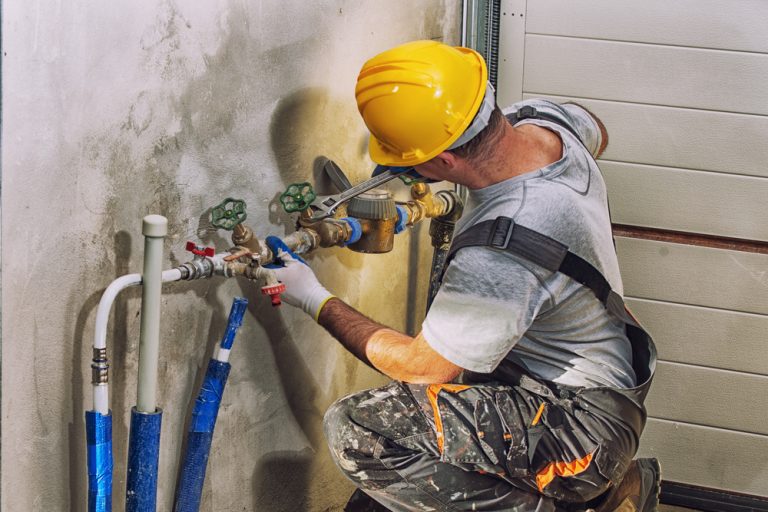

When planning or building a new home or commercial property, plumbing is often hidden behind walls and under floors—but it plays one of the most critical roles in the structure’s long-term performance. Quality plumbing in new construction ensures reliable water flow, efficient drainage, safety, and durability from the very first day. Poor plumbing decisions made during construction can lead to leaks, water damage, costly repairs, and reduced property value later on. In this guide, HomeFixServices.us explains why investing in quality plumbing during new construction is essential and how it protects your property for decades to come.
Reliable Performance from Day One with Quality Plumbing in New Construction
One of the biggest advantages of installing quality plumbing in new construction is immediate and dependable performance. A newly built home or building should function perfectly from the first day of use—without leaks, pressure problems, or drainage issues.
When plumbing systems are installed correctly using high-quality materials, they deliver consistent water pressure, efficient drainage, and proper temperature control. Faucets run smoothly, toilets flush properly, and appliances such as dishwashers and water heaters operate at peak efficiency. This reliability reduces frustration for homeowners and prevents early service calls that should never be necessary in a brand-new structure.
Low-quality plumbing installations often result in:
- Uneven water pressure
- Slow drains
- Noisy pipes
- Frequent leaks shortly after occupancy
These issues are usually caused by poor pipe connections, incorrect pipe sizing, or substandard materials. In contrast, professional plumbing installation ensures every joint, valve, and fixture is installed according to best practices and building codes.
For builders and homeowners alike, reliable plumbing performance from day one builds trust, satisfaction, and confidence in the overall construction quality.
Long-Term Durability Starts with Quality Plumbing in New Construction
Durability is one of the most important reasons to prioritize quality plumbing in new construction. Plumbing systems are expected to last decades, not just a few years. Choosing durable materials and expert installation ensures the system can withstand daily use, pressure changes, and environmental conditions over time.
High-quality plumbing materials such as copper, PEX, or properly rated PVC resist corrosion, mineral buildup, and pressure stress. These materials are designed to handle fluctuating temperatures, water chemistry, and constant use without failing prematurely.
Poor-quality plumbing often leads to:
- Pipe corrosion
- Cracking and bursting
- Joint separation
- Hidden leaks inside walls
These failures don’t just affect plumbing—they can damage drywall, flooring, insulation, and even a building’s foundation. Repairing hidden plumbing damage is expensive and disruptive, especially when walls and floors must be opened.
By investing in durable plumbing materials during construction, property owners reduce the likelihood of future repairs and extend the lifespan of the entire plumbing system. This long-term reliability translates into fewer emergencies and lower maintenance costs over time.
Proper Planning Prevents Future Issues in New Construction Plumbing
Proper planning is one of the most overlooked yet essential aspects of quality plumbing in new construction. Plumbing systems must be carefully designed before installation begins to ensure efficiency, safety, and compliance with building codes.
Effective plumbing planning includes:
- Correct pipe sizing for water pressure and demand
- Strategic layout for drains and vents
- Proper slope for drainage lines
- Placement of shutoff valves for easy access
When plumbing is poorly planned, problems may not appear immediately—but they almost always surface later. Common issues caused by bad planning include slow drains, recurring clogs, pipe noise, and pressure imbalances between fixtures.
Additionally, poor planning often leads to code violations that can delay inspections or result in costly corrections. Licensed plumbers understand local building codes and ensure the plumbing system meets all safety and performance standards.
Proper planning during construction also makes future upgrades easier. Whether adding a bathroom, installing new appliances, or upgrading fixtures, a well-designed plumbing system allows for expansion without major modifications.
Planning plumbing correctly from the start saves time, money, and stress in the future.
Cost-Efficiency and Added Property Value Through Quality Plumbing
While quality plumbing in new construction may seem like a higher upfront investment, it delivers significant cost savings over time. Cheap plumbing solutions often lead to frequent repairs, water waste, and early system failure—all of which cost far more in the long run.
High-quality plumbing improves cost-efficiency by:
- Reducing water waste from leaks
- Improving energy efficiency for water heating
- Minimizing repair and replacement costs
- Preventing water damage to the structure
Modern plumbing systems also support water-efficient fixtures, such as low-flow toilets and faucets, which reduce utility bills and appeal to eco-conscious buyers.
From a real estate perspective, quality plumbing increases property value. Buyers and inspectors pay close attention to plumbing systems during evaluations. A well-installed, durable plumbing system signals quality construction and reduces concerns about hidden issues.
Properties with reliable plumbing systems often sell faster and at higher prices because buyers feel confident they won’t face immediate plumbing repairs after purchase.
Why Builders and Homeowners Should Never Cut Corners on Plumbing
Cutting corners on plumbing is one of the most expensive mistakes in construction. While shortcuts may reduce upfront costs, they almost always lead to higher expenses later.
Common corner-cutting mistakes include:
- Using low-grade pipe materials
- Skipping pressure testing
- Improper venting
- Rushed installations
These mistakes compromise the entire plumbing system and can lead to failures that require extensive repairs. Quality plumbing protects not only the pipes but also the structure, occupants, and long-term investment.
Builders who prioritize quality plumbing also protect their reputation, reduce warranty claims, and deliver higher customer satisfaction.
The Role of Professional Plumbers in New Construction Projects
Professional plumbers play a critical role in ensuring quality plumbing in new construction. They bring expertise, code knowledge, and experience that general contractors or unlicensed installers may lack.
Licensed plumbers:
- Design efficient plumbing layouts
- Use approved materials
- Perform pressure and leak testing
- Ensure compliance with local codes
- Coordinate with other construction trades
Their involvement ensures the plumbing system integrates seamlessly with electrical, HVAC, and structural components of the building.
Hiring professionals from the start prevents costly mistakes and ensures the plumbing system performs reliably for years.
Final Thoughts on Quality Plumbing in New Construction
Quality plumbing is not just a technical requirement—it’s a long-term investment in safety, comfort, and property value. From reliable performance on day one to decades of durability and efficiency, quality plumbing in new construction protects homeowners and builders alike.
By choosing proper materials, professional installation, and thoughtful planning, you avoid future headaches and ensure your new property stands the test of time.
Plumbing may be hidden, but its impact is felt every single day.
Trusted Plumbing Expertise from HomeFixServices.us
At HomeFixServices.us, we specialize in delivering high-quality plumbing solutions for new construction projects. Our experienced team ensures every installation meets the highest standards of performance, safety, and durability.
🌐 Visit: https://Home Fix Services.us/

Leave a Reply