
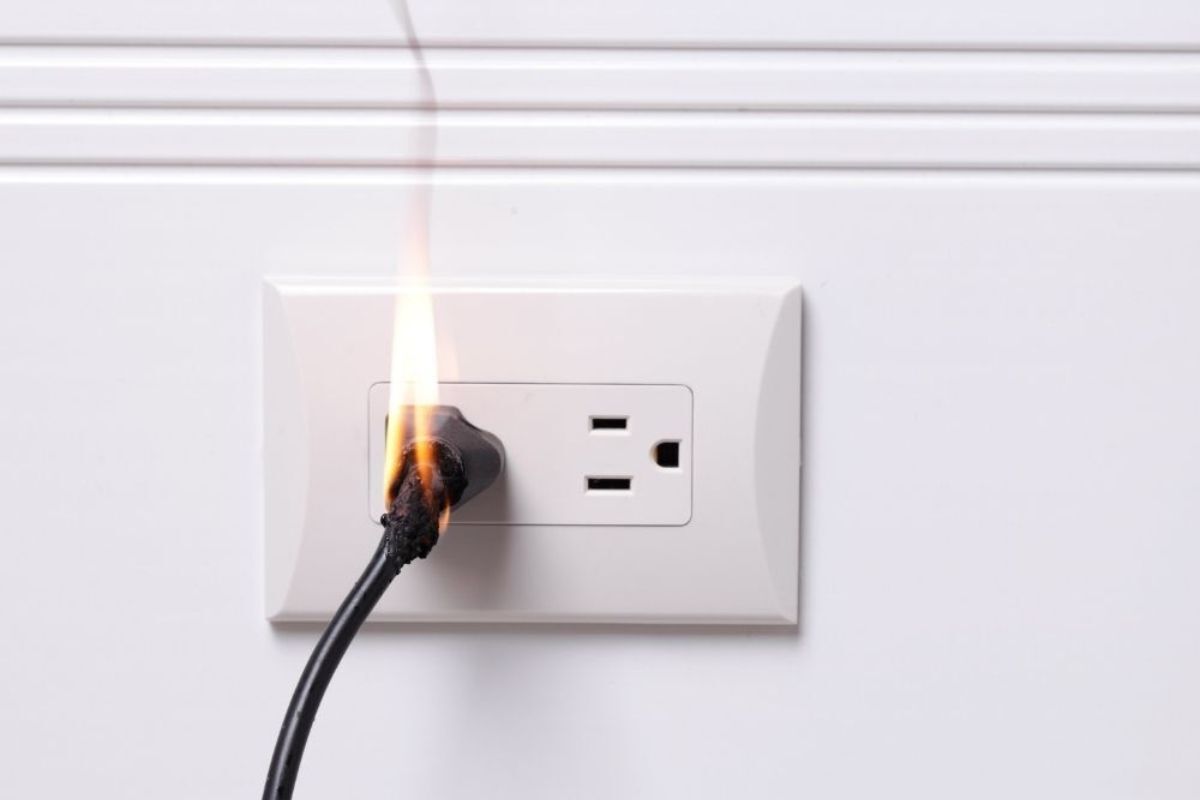

Installing electrical outlets may look like a simple task, but many homeowners unknowingly make outlet installation mistakes that can lead to serious safety hazards, electrical failures, and costly repairs. At Home Fix Services.us, we often see cases where small DIY errors turn into major home safety issues. This blog will explain the most common outlet installation mistakes to avoid, how these mistakes affect your home’s electrical system, and what electrical tips you should follow to stay safe. Whether you are a DIY homeowner or planning professional work, understanding these outlet installation mistakes is essential for protecting your family and property.
What Are Outlet Installation Mistakes and Why They Matter
Outlet installation mistakes refer to errors made while installing, replacing, or repairing electrical outlets that do not follow proper wiring methods, safety standards, or electrical codes. These mistakes often occur during DIY projects when homeowners underestimate the complexity of electrical work.
When outlet installation mistakes happen, they don’t just affect one socket. They can impact your entire electrical system, increasing the risk of electric shock, fire hazards, appliance damage, and power failure. Many home safety incidents start with poorly installed outlets that were ignored for years.
At Home Fix Services.us, we strongly believe that understanding these mistakes helps homeowners make better decisions—either by following safe electrical tips or knowing when to call a professional.
Most Common Outlet Installation Mistakes to Avoid
This section covers the most frequent outlet installation mistakes that homeowners make. Avoiding these errors can significantly improve home safety and electrical reliability.
Incorrect Wiring Connections – A Major Outlet Installation Mistake
Incorrect wiring connections are one of the most dangerous outlet installation mistakes. This usually happens when the hot (black), neutral (white), and ground (green or bare) wires are connected incorrectly.
Many DIY errors involve reversing the hot and neutral wires, known as reversed polarity. While the outlet may still work, it creates a serious shock hazard. Appliances connected to such outlets may appear off but still carry live electricity.
Loose wire connections are another common problem. Poorly tightened screws can cause sparks, overheating, and eventually electrical fires. Always ensure wires are firmly secured and correctly placed.
Ignoring Grounding Requirements During Outlet Installation
Ignoring grounding is a serious outlet installation mistake that directly affects home safety. Grounding provides a safe path for electricity during faults, protecting both people and appliances.
Some DIY homeowners skip grounding because older homes may not have proper ground wires. Others assume grounding is optional—it is not. Ungrounded outlets increase the risk of electric shock, especially when using metal appliances.
At Home Fix Services.us, we recommend upgrading grounded outlets whenever possible to meet modern safety standards.
Overloading an Electrical Outlet – Common DIY Error
Overloading is one of the most overlooked outlet installation mistakes. Plugging multiple high-power devices into a single outlet can cause overheating, melted wires, and breaker trips.
DIY errors like using cheap extension cords or power strips worsen the problem. Overloaded outlets are a major fire hazard and should never be ignored.
A smart electrical tip is to distribute appliances across different circuits and install additional outlets if needed.
Using the Wrong Type of Electrical Outlet
Using the wrong outlet type is another common outlet installation mistake. Different areas of the home require different outlets for safety reasons.
For example:
- Bathrooms, kitchens, and outdoor areas require GFCI outlets
- Bedrooms often require AFCI outlets
- Outdoor locations need weather-resistant outlets
Installing standard outlets in wet areas violates electrical codes and increases shock risks. Proper outlet selection is essential for home safety.
Loose Outlet Installation Inside the Wall
A loose outlet is more than just annoying—it is dangerous. One of the frequent outlet installation mistakes is failing to secure the outlet properly to the electrical box.
Loose outlets move when plugs are inserted or removed, which can damage wiring connections and cause sparks. Over time, this can lead to overheating and fire risks.
Always ensure outlets are firmly mounted and flush with the wall surface.
DIY Errors That Lead to Outlet Installation Mistakes
Many outlet installation mistakes happen because of avoidable DIY errors. Understanding these mistakes can help you avoid serious electrical problems.
Turning Off the Wrong Circuit Breaker
One of the most dangerous DIY errors is assuming the power is off without testing. Turning off the wrong breaker can result in electric shock during outlet installation.
Always use a voltage tester to confirm power is off before touching any wires. This simple electrical tip can prevent serious injuries.
Not Using Proper Electrical Tools
Using improper tools is another common DIY error that leads to outlet installation mistakes. Basic tools like insulated screwdrivers, wire strippers, and voltage testers are essential.
Without proper tools, wire damage and poor connections are more likely. Professional-grade tools improve accuracy and safety.
Skipping Local Electrical Code Compliance
Ignoring electrical codes is a major outlet installation mistake. Codes exist to ensure home safety and prevent electrical hazards.
DIY homeowners often skip permits or inspections, leading to non-compliant installations. These mistakes can cause insurance issues and reduce property value.
At Home Fix Services.us, we always follow local and national electrical codes to ensure long-term safety.
How Outlet Installation Mistakes Affect Home Safety
Outlet installation mistakes directly threaten home safety in multiple ways. Understanding these risks highlights why proper installation is so important.
Fire Hazards Caused by Outlet Installation Mistakes
Loose wiring, overloaded outlets, and incorrect connections are common causes of electrical fires. Many home fires begin behind walls where outlet installation mistakes go unnoticed.
Proper installation and regular inspection reduce these fire risks significantly.
Electric Shock Risks from Faulty Outlet Installation
Faulty outlets expose live electrical parts, increasing shock risks—especially for children and elderly family members.
Ungrounded outlets and reversed polarity are among the most dangerous outlet installation mistakes affecting home safety.
Damage to Electrical Appliances
Outlet installation mistakes can damage sensitive electronics like TVs, computers, and kitchen appliances. Voltage fluctuations and grounding issues shorten appliance lifespan and increase repair costs.
Electrical Tips to Avoid Outlet Installation Mistakes
Following proper electrical tips can help prevent outlet installation mistakes and improve overall home safety.
Follow Step-by-Step Outlet Installation Guidelines
Never rush outlet installation. Carefully follow manufacturer instructions and wiring diagrams. Double-check all connections before restoring power.
Planning ahead reduces DIY errors and improves results.
Use GFCI and AFCI Outlets Where Required
Installing safety outlets is one of the best electrical tips for preventing outlet installation mistakes.
- GFCI outlets protect against electric shock
- AFCI outlets reduce fire risks from arcing faults
These outlets are essential for modern home safety.
Know When to Stop DIY and Call a Professional
If wiring looks confusing, outdated, or damaged, stop immediately. Knowing your limits is a crucial electrical tip.
Professional electricians have the experience and tools to prevent costly outlet installation mistakes.
Professional vs DIY Outlet Installation
DIY outlet installation may seem cost-effective, but mistakes can be expensive and dangerous. Professional installation ensures code compliance, safety, and long-term reliability.
At Home Fix Services.us, our licensed professionals handle outlet installation safely, efficiently, and correctly the first time.
Final Checklist to Avoid Outlet Installation Mistakes
Before completing any outlet installation, review this checklist:
- Correct wire connections
- Proper grounding
- Right outlet type for location
- Secure mounting
- Power testing before use
- Code compliance check
This checklist helps eliminate common outlet installation mistakes.
Conclusion
Avoiding outlet installation mistakes is essential for maintaining home safety, protecting appliances, and preventing electrical hazards. While DIY projects can be rewarding, electrical work requires caution, knowledge, and proper tools. At Home Fix Services.us, we recommend prioritizing safety over shortcuts. Whether you choose DIY or professional installation, understanding these common outlet installation mistakes will help you make safer, smarter decisions for your home.



Leave a Reply