
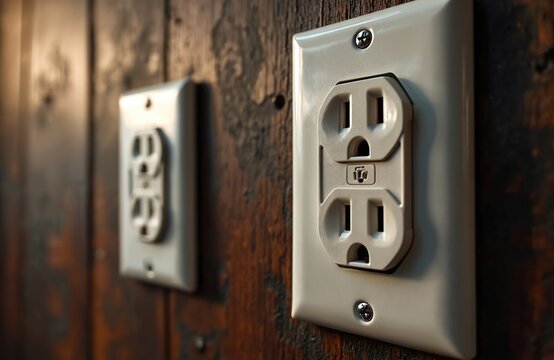

In the modern digital age, the “heartbeat” of a home is its electrical system. However, while we upgrade our smartphones and appliances annually, the electrical outlets (receptacles)—the very points of contact between our expensive devices and raw power—are often neglected for decades.
Upgrading old electrical outlets is not merely a cosmetic home improvement; it is a critical pillar of residential risk management and fire prevention. This comprehensive guide explores the intersection of vintage infrastructure and modern power demands.
Understanding the Anatomy of an Outlet Upgrade
To appreciate the necessity of an upgrade, one must understand the evolution of the receptacle. An “outlet upgrade” refers to the systematic replacement of antiquated, ungrounded, or worn electrical points with modern, high-integrity components that meet the National Electrical Code (NEC).
The Physics of Power Delivery
Electricity functions through a closed-loop system. Older outlets often lack a grounding path, which acts as an emergency “escape route” for electricity during a fault. Without this, the electricity may find a path through your body or sensitive electronics.
Recognizing the Warning Signs: When to Act
Homeowners often ignore the subtle “cries for help” from their electrical system. Recognizing these symptoms of electrical fatigue can save lives.
Two-Prong Outlets (The “Legacy” Risk)
Found in homes built before 1965, these outlets are ungrounded. They are incompatible with modern 3-prong appliances and pose a massive risk for electrostatic discharge and equipment damage.
The “Loose Plug” Syndrome
If a plug slides out of an outlet with little resistance, the internal brass contacts have lost their “spring tension.” This creates high-resistance connections, which generate localized heat, often leading to hidden fires within the wall cavity.
Discoloration and “Arcing”
Look for “carbon tracking”—black or brown scorch marks around the slots. This indicates arcing, where electricity jumps through the air between loose connections.
The Modern Receptacle Taxonomy
Strategic SEO requires understanding the specific “symmetric” terms for different hardware. Choosing the right outlet is about matching the functionality to the environment.
GFCI: The Lifesaver in Wet Zones
Ground Fault Circuit Interrupters (GFCI) are mandatory in “wet” locations (kitchens, baths, garages). They monitor the flow of current. If the outgoing current differs from the returning current by even $5mA$, the device trips in less than $1/40^{th}$ of a second.
AFCI: The Fire Warden
While GFCIs protect humans from shock, Arc Fault Circuit Interrupters (AFCI) protect structures from fire. They use advanced microprocessors to distinguish between “working arcs” (like the motor of a vacuum) and “dangerous arcs” (sparking from a frayed wire).
Tamper-Resistant (TR) Outlets
Modern codes require TR outlets in all new residential builds. These feature a shutter mechanism that only opens when equal pressure is applied to both slots simultaneously, preventing children from inserting keys or paperclips.
The Hidden Dangers of “DIY” Upgrades
While the internet is full of “how-to” videos, electrical work is inherently hazardous. Here is why a professional Home Fix Services electrician is essential:
The Reverse Polarity Trap
If you swap the Hot (Black) and Neutral (White) wires, the device will still work, but the safety “shell” of the appliance remains energized. This creates a massive shock hazard that a non-expert would never notice without a circuit analyzer.
Aluminum Wiring Compatibility
Many homes built in the 60s and 70s used aluminum wiring. If you connect a standard copper-rated outlet to aluminum wire, the metals will oxidize and expand at different rates (the galvanic effect), leading to a high fire risk. You must use CO/ALR rated devices or specialized “pig-tailing” techniques.
Strategic Benefits of Modernization
Infrastructure Longevity
Modern outlets handle higher amperage (typically 15A to 20A) without overheating. This reduces the strain on your home’s wiring insulation, extending the life of the entire system.
Energy Management and “Smart” Integration
Upgrading to Smart Outlets allows for “vampire power” management. You can schedule outlets to cut power to devices that consume energy even when turned off, significantly lowering monthly utility bills.
Property Valuation
A certified electrical upgrade is a powerful “selling point.” During a home inspection, a “clean” electrical report can prevent thousands of dollars in “closing credit” requests from buyers.
Step-by-Step Professional Upgrade Process
At Home Fix Services.us, we follow a rigorous protocol to ensure 100% safety.
- Load Calculation: We determine if the existing circuit can handle the modern demand (e.g., adding a 20A outlet to a 15A circuit is a fire hazard).
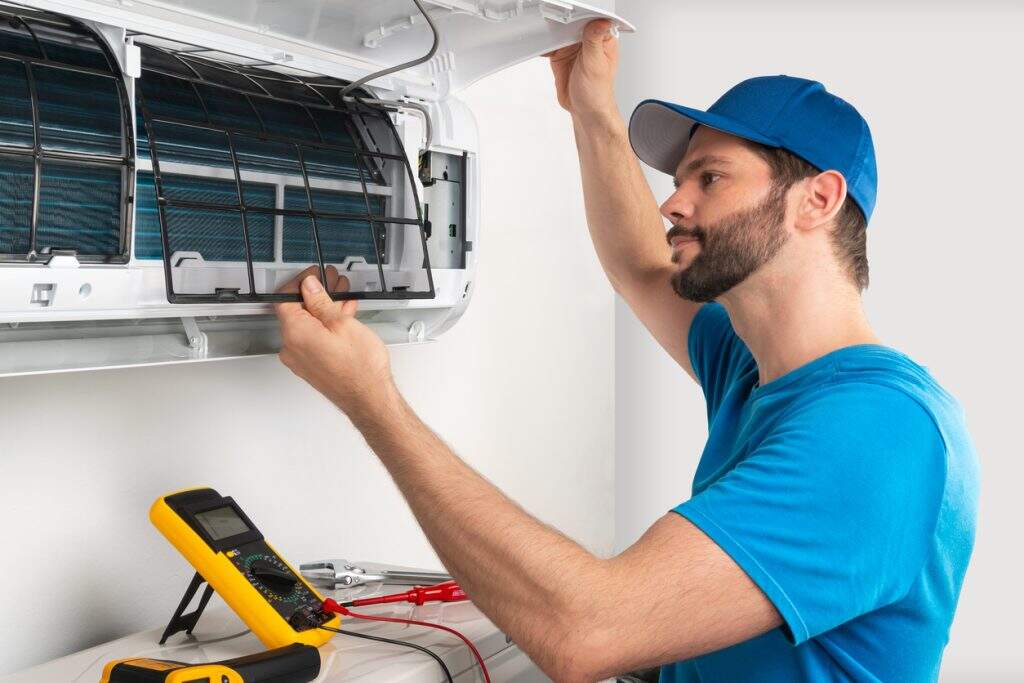
- Continuity and Ground Testing: Using specialized multimeters to ensure the ground path is actually connected to the earth.
- Torque Calibration: Ensuring terminal screws are tightened to specific inch-pounds to prevent “thermal expansion” loosening.
- Enclosure Inspection: Checking the “junction box” for overcrowding or lack of volume, which can cause heat buildup.
Electrical Codes: The Legal Framework
The NEC (National Electrical Code) is updated every three years. Many homeowners are surprised to find their homes are “grandfathered in” but dangerously out of date.
- NEC 210.8: Mandates GFCI protection in almost all areas where moisture is present.
- NEC 406.12: Requires tamper-resistant receptacles in all dwelling units.
Ignoring these doesn’t just risk safety; it can lead to insurance claim denials in the event of a fire.
Financial Analysis: Cost vs. Value
The cost of an outlet upgrade is a “preventative” expense.
-
Average Cost: A professional replacement of a standard outlet is relatively low, but the ROI (Return on Investment) in terms of electronics protection (preventing a $2,000 TV from frying) is immense.
-
Insurance Savings: Some providers offer discounts for homes with updated AFCI/GFCI protection.
Common Myths Debunked
-
Myth: “If the light turns on, the outlet is safe.“
-
Fact: An outlet can power a lamp while simultaneously melting the insulation inside the wall due to a loose “neutral.“
-
-
Myth: “GFCI outlets don’t need a ground wire.“
-
Fact: While the NEC allows GFCIs to be installed on ungrounded systems (with a “No Equipment Ground” sticker), it is a secondary safety measure and not a substitute for a true ground.
-
Conclusion: Powering Your Future Safely
Upgrading your old electrical outlets is a commitment to your family’s safety and your home’s future. From preventing catastrophic fires via AFCI technology to protecting your toddlers with Tamper-Resistant shutters, the benefits far outweigh the costs.
At Home Fix Services.us, we don’t just “change plugs.” We audit your home’s electrical health to provide peace of mind in an increasingly power-hungry world.
Ready to Modernize Your Home?
Don’t wait for the smell of burning plastic or a tripped breaker to act. Contact Home Fix Services.us today for a comprehensive electrical safety audit.




Leave a Reply