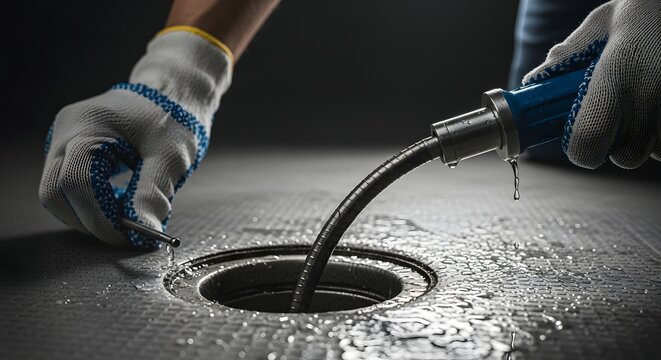

Clogged drains are more than just a pain in the neck. They make your daily life slower, smell awful, and if ignored, can damage your plumbing. The good news? The right drain cleaning tools can fix most problems without calling a plumber. Knowing which plumbing tools to use, how to tackle unclogging drains, and practicing proper DIY maintenance can save time and money.This post will show you the best drain cleaning tools for every situation—from simple DIY options to advanced professional equipment. You’ll also learn when to use each tool and when it’s time to stop.
Continue reading. The appropriate tool can help you avoid a lot of plumbing problems, save you time and money, and fix them.
Knowing what causes drain clogs and why the right tools are important
Clogs in drains don’t happen all at once. They get bigger over time. Grease stays on the walls of pipes. Hair wraps around curves. Soap scum builds up inside the drain. Little problems might quickly turn into big ones that stop everything.
Things That Often Block Drains
Grease, food particles, and oil buildup are the most common causes of kitchen drain clogs. Hair, soap scum, and toothpaste residue can commonly clog bathroom drains. Dirt, leaves, and other trash become caught in floor and outdoor drains. Tree roots or a lot of trash can pile up in the main sewer pipes and cause them to get clogged.
Different kinds of clogs act in different ways. That’s why one tool can’t address all drain issues.
Cleaning your own drains vs. hiring a pro
A lot of clogs are shallow and easy to get rid of. A plunger or hand snake may typically fix sinks that drain slowly. These tools are good for getting rid of things that are in the way on the surface.
But deep or repeated obstructions are a different matter. Motorized equipment or hydro-jetting are frequently needed to clear main line clogs and hardened buildup. Using weak tools on big clogs is a waste of effort and can make the problem worse.
Knowing what DIY equipment can and can’t do can help you keep pipes from breaking and save money on repairs.
What Could Happen If You Use the Wrong Drain Cleaning Tool
If you use the improper tool, it could hurt your plumbing. Pipes can rust when you use chemical cleansers. Big snakes can break older lines. Putting too much pressure on something might make joints or seals come free.
The correct instrument will eliminate the clog without hurting the pipe. It works with the blockage, not against it.
To clear a drain well, you need to know how obstructions arise and how equipment work. The next parts will explain which tools are ideal for each case.
Important Hand Tools for Cleaning Drains
Most homeowners prefer to use manual tools to clean their drains. They don’t cost much. It’s easy to use them. And they work well to clear up ordinary household blockages. These gadgets don’t need power or particular expertise, which makes them great for cleaning drains on your own.
How plungers work
You should usually try a plunger first. It employs pressure and suction to break apart obstructions that are close to the drain opening. Plungers for sinks perform well in the kitchen and bathroom. Toilet plungers are made to work with deeper traps and bigger holes.
Make a tight seal around the drain for the best results. Plunge quickly and firmly. Don’t move slowly or weakly. Plungers work well for getting rid of food waste, soft buildup, and small clogs.
Hand-Operated Drain Snakes and Augers
Hand drain snakes, which are also called augers, are flexible metal cables that can go deeper into pipes. They break up clogs or pull things out of the way. These tools are great for getting rid of hair, soap buildup, and trash that has been packed down.
Put the snake in slowly. Push forward while turning it. When you feel resistance, softly pull back and twist. Hand snakes work well for sinks in the kitchen and bathroom.
Bathroom Drain Hair Snakes
Hair snakes are miniature plastic tools with tiny barbs. They are made to grab hair that is caught in the sink and shower drains. These instruments are cheap and work really well for hair clogs on the surface.
Put the hair snake in the drain. Take it out slowly. Pick up the trash and do it again if you need to. They work wonderfully before clogs get really bad.
When You Only Need Manual Tools
Most slow drains and small clogs can be fixed with hand tools. They are safe to use for regular maintenance. When utilized correctly, they don’t hurt pipes.
If water still backs up after you clean it by hand, the clog is probably deeper. That’s when you need more advanced tools, which you’ll learn about in the next section.
Advanced tools for cleaning drains that are really clogged
Some clogs are too deep or too tough for simple hand tools. These clogs usually happen deep inside the pipe. They could be made up of hardened grease, heavy sludge, or debris that has been packed down. These kinds of conditions call for advanced drain cleaning tools.
Motorized Drain Snakes
An electric motor spins a long steel cable in motorized drain snakes. This cycle breaks up tough blockages and pushes through thick deposits. People often use these gadgets to clean out main drains and large pipes.
They are quicker and stronger than snakes that are done by hand. But you have to be careful with them. Using too much effort can break old or weak pipes. Always start slowly and build up speed over time.
Tools for cleaning drains under pressure
Air or water pressure is used by pressurized drain cleaners to break up obstructions. They work well on grease accumulation and trash that has been packed down. These tools operate best when the pipe is straight.
It’s crucial to seal things correctly. Bad pressure control can make pipes splash back or come loose. You should only use them when you are sure that the drain can withstand the pressure.
Cable Cleaning Tools
Cable cleaning machines are instruments that professionals use. They use rotating cables and cutting heads to get rid of heavy buildup. These machines work well on big drains and obstructions that keep coming back.
They are strong but dangerous for people who do things themselves. If you don’t use it right, it can damage the walls of the pipe or break. Only experienced users or professionals should use these tools.
When you need advanced tools
You need advanced tools when water keeps backing up. If you hear gurgling sounds, smell bad smells, or have a lot of clogged fixtures, these are warning indicators. These problems usually mean that there are deep barriers.
It’s time to cease if sophisticated tools don’t work or feel risky to use. In the next parts, you’ll learn about high-power options and when it’s better to get aid from a specialist.
Cleaning Solutions for Drains with Chemicals and Nature
People commonly utilize chemical and natural drain cleaners when instruments can’t get to the clog easily. They act by breaking down the organic matter that is inside the pipe. When used correctly, they can help with small clogs and drains that are slow.
When it makes sense to use chemical drain cleaners
Chemical drain cleaners are made to break down hair, soap scum, grease, and food waste. They operate best when there are only a few clogs, not when there are full ones. People often use these cleaners in their kitchen and bathroom sinks.
You should never choose them first. Using too much can damage pipes, especially older metal or PVC lines. Always do what the instructions say and don’t mix different substances.
Natural and eco-friendly options
Cleaning drains with natural products is better for the pipes and the environment. Baking soda and vinegar might help break up mild buildup. Hot water can wash away oil before it solidifies. Over time, cleaners that use enzymes break down organic trash.
These choices are great for routine upkeep. They stop smells and slow down buildup without hurting the pipes.
Safety and Environmental Precautions
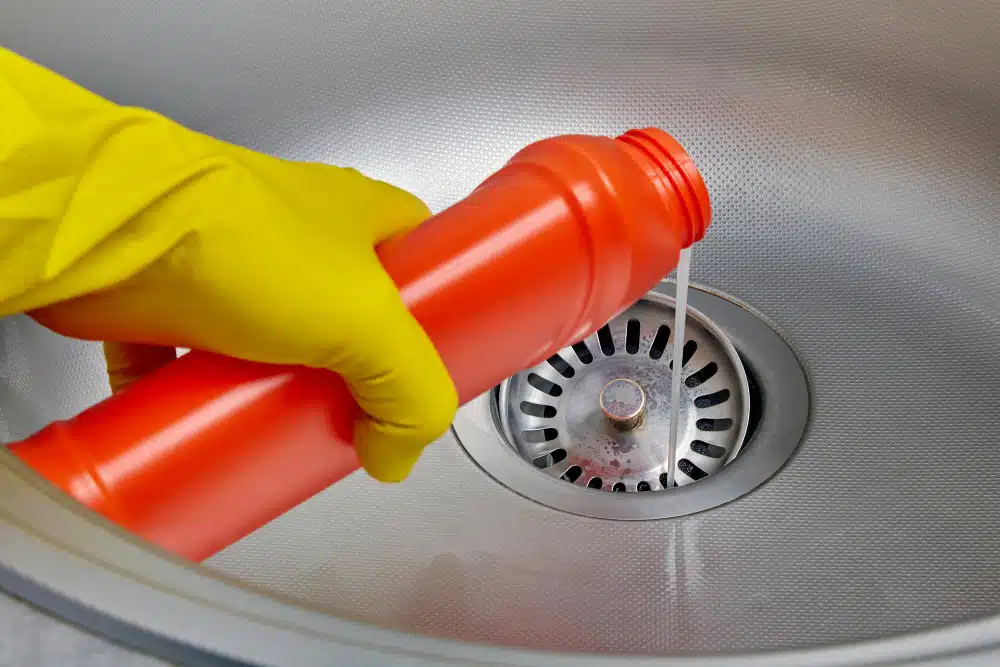
Chemical cleaners can burn you and let out dangerous fumes. Always wear gloves and make sure there is enough air flow. Never use chemicals after plunging or snaking since splashback might be harmful.
Natural treatments are safer, but they still take time. They don’t work right away; they need time.
Problems with chemical solutions
Chemical cleansers can’t get rid of solid things or deep obstructions. They might help the flow for a short time, but they won’t fix the real problem. Using only chemicals can make it take longer to fix things right.
Mechanical instruments or professional procedures work better for clogs that won’t go away or are very bad. The next part talks about powerful cleaning alternatives for really bad drain problems.
Hydro-Jetting and High-Power Cleaning Choices
Some difficulties with drains are more than just obstructions. Grease can turn into thick layers. Sludge might cover the whole wall of the pipe. In these situations, high-powered cleaning equipment do a better job than basic ones.
What is Hydro-Jetting?
Hydro-jetting cleans the insides of pipelines using water at a high pressure. It doesn’t just break through the blockage. It cleans the walls of the pipe. This gets rid of soap scum, mineral buildup, grease, and dirt all at once.
Hydro-jetting helps keep pipes from getting clogged again by cleaning the whole pipe. It’s one of the best ways to clean drains.
Is Hydro-Jetting Safe for Homeowners to Use?
There are small consumer hydro-jetting attachments, but they don’t work very well. Real hydro-jetting equipment work at very high pressure. If you don’t know how to use them, they could break pipes or loosen joints.
Older plumbing systems are especially at risk. That’s why it’s common for professionals to check things out before hydro-jetting is done.
When Hydro-Jetting Is Too Much
Not every blockage needs this much effort. Manual tools work better on little sink clogs, hair clogs, and grease buildup that isn’t too deep. Using hydro-jetting on little problems is a waste of money and makes things more dangerous.
Hydro-jetting works best on clogs that happen over and over, slow main lines, and oil that builds up quickly. It works quite well, but only if you use it at the correct moment.
In the next section, you’ll learn about inspection equipment that can help you find the specific problem before you pick a powerful cleaning procedure.
Tools for inspection and diagnosis that help you clean correctly
It’s crucial to know what you’re dealing with before you clear a drain. Guessing can damage pipes and waste time. Tools for inspection help find out what kind of clog it is, how deep it is, and where it is so that the correct cleaning approach may be applied.
The Basics of Pipe Inspection
The first step in a basic inspection is to look for indicators. Drains slowly. Sounds like gurgling. Bad smells. Multiple fixtures are backing up at the same time. These signs show how bad the blockage might be.
But the outside signs don’t often tell you what’s going on within the pipe. That’s when diagnostic tools come in handy.
The Technology of Drain Cameras
Drain cameras are miniature cameras that are waterproof and connected to flexible cables. They go into the drain so you can see the inside of the pipe in real time. Cameras may see things like grease accumulation, broken pipes, tree roots, and things that don’t belong there.
This technology takes away the need to guess. It stops people from using chemicals or snaking when they don’t need to. When you have repeated clogs or problems with your main line, drain cameras are quite helpful.
Finding Clogs That Are Hidden or Keep Coming Back
Some blockages form deep inside the system. Others come back over and over because the pipes are broken or the slope is bad. These flaws that are hard to see come to light with inspection instruments.
Knowing exactly what went wrong can help you decide whether you snake, hydro-jet, or hire a pro to fix it. It also saves money by not having to make interim solutions.
Smart decisions about cleaning drains come from accurate inspections. In the next part, you’ll learn how to choose the correct tool for each type of drain in your home.
Picking the Right Tool to Clean Each Drain
Not every drain is made the same way. The ideal tool for the job depends on the size, location, and use of the pipe. Using the proper instrument for each drain makes it more likely to work and less likely to break.
Kitchen Sink vs. Bathroom Sink vs. Main Line
Grease and food particles commonly clog kitchen sinks. Plungers, hand snakes, and enzyme cleaners all perform nicely here. Don’t use tools that are overly rough, as they can drive oil deeper into the line.
Most of the time, hair and soap scum plug up bathroom drains. Small augers and hair snakes are the best tools for the job. Use chemical cleaners only when you really need to.
Heavy trash and long pipe runs go through the main sewer lines. It is common to need motorized snakes, cable machines, or hydro-jetting. In certain cases, you can’t use DIY tools.
Choosing the Right Tool Size for the Pipe
Using the wrong size tool might cause big difficulties. Small snakes might not be able to get to deep obstructions. Big cables can damage or break thin pipes.
Always use a tool that is made for the size of the pipe. Smaller wires are needed for bathroom drains. Main lines need equipment that is thicker and tougher.
How often to clean the drain
Regular maintenance makes it less likely that you’ll need to do a lot of cleaning. Simple instruments that are used every now and again stop accumulation. Hot water flushing and enzyme cleansers help keep pipes clear.
If clogs happen a lot, it could mean there’s a bigger problem. If that’s the case, you’ll need examination tools or professional help.
Picking the appropriate equipment at the right time makes cleaning your drains safer, faster, and more successful. The next part will provide you useful DIY suggestions and tell you what not to do.
Best Ways to Clean Your Own Drains
Cleaning your own drains can save you time and money, but you need to do it right for it to function best. Using tried-and-true methods makes sure that your work is useful and that your plumbing stays safe.
Do it yourself step by step
- Find the Problem: Figure out which drain is blocked and how bad the obstruction is. Check more than one fixture to see if the clog is in the main line or just one fixture.
- Start with the basics: use a plunger for small clogs first. Plunge firmly and steadily to break up the debris.
- If you need to, use a hand snake. If the clog is deeper in the pipe, use a hand drain snake. As you feed it through the pipe, turn it and then carefully pull out the junk.
- Flush and Test: Use hot water to get rid of any leftover dirt. Before you finish, make sure the drain is clear.
Things You Shouldn’t Do
- Using Too Much Force: Twisting or pushing too hard on a snake can harm pipes.
- Using chemicals too much: Using chemicals too often can damage septic systems or corrode metal pipes.
- Not Following Safety Rules: Always wear gloves and eye protection when using tools or cleaners.
- Not doing maintenance: Waiting for blockages to get worse makes cleaning them yourself harder and more dangerous.
Tips for Preventative Maintenance
- To keep grease from building up, flush your drains with hot water on a regular basis.
- To keep hair from getting stuck in bathroom drains, use a hair catcher.
- Do not dump coffee grinds or cooking oil down the sink in the kitchen.
- Use enzyme-based cleaners every now and then to safely break down organic debris.
Most minor clogs may be fixed at home if you follow these best practices. Taking care of things regularly also means you won’t need to hire a professional as often.
The last part will talk about when you should quit doing things yourself and call in a pro to avoid making mistakes that cost a lot of money.
When to Stop Doing It Yourself and Call a Pro
Cleaning your own drains works for a lot of clogs around the house, but not all of them. Knowing when to hire a pro can save you money, time, and damage to your plumbing system.
Signs that your plumbing is in big trouble
- If more than one drain is slow or clogged, the main line can be the problem.
- If a drain keeps getting clogged even after you clean it several times, it could be because the pipes are broken or the slope isn’t right.
- Bad smells and gurgling: If you smell bad things or hear gurgling sounds all the time, it means that waste is stuck or the venting is broken.
- Cleaning the drains doesn’t help them drain slowly. If plunging, snaking, or chemicals don’t help, the clog may be deep or hard.
The dangers of advanced DIY tools
If you don’t know how to handle them right, high-powered gadgets like motorized snakes or hydro-jetting machines might be harmful. They are able to:
- Break old or weak pipes
- Make joints or seals less tight
- Make water or chemicals splash back
If you don’t know how to use these tools correctly, you could make the problem worse, which will cost a lot of money to fix.
Comparing costs to damage
Calling a pro early can stop a lot of damage from happening. Cleaning your own home simply costs you time and a few basic tools, but a catastrophic accident with advanced tools could mean replacing pipes or damaging the structure.
Knowing What You Can Do
Do-it-yourself is great for small clogs and regular maintenance. If you have serious blockages, problems that keep coming back, or broken pipes, you need to call in a specialist. Plumbers have the necessary tools, experience, and safety procedures to address problems quickly and keep your plumbing system safe.
Recognizing the indicators early makes ensuring that clogs are fixed correctly the first time and stops future problems.
The end
The correct tools and the right way to do it are the first steps to cleaning a drain well. For most small clogs, simple instruments like plungers and hand snakes work. For more obstinate or deep obstructions, more complex tools like motorized snakes and hydro-jetting work. Chemical and natural cleaners can help keep pipes clear, but they can’t do everything.
Regular maintenance, choosing the right tools, and checking things out properly will help keep plumbing problems from happening and save you money on repairs. Know your limits: if a blockage is really bad, keeps coming back, or affects more than one drain, it’s best to call a pro.
We at Home Fix Services can help you with all of your drain cleaning problems by giving you experienced guidance and solutions. You can maintain your drains moving smoothly, save money, and avoid big plumbing problems if you have the correct equipment and knowledge.


Leave a Reply