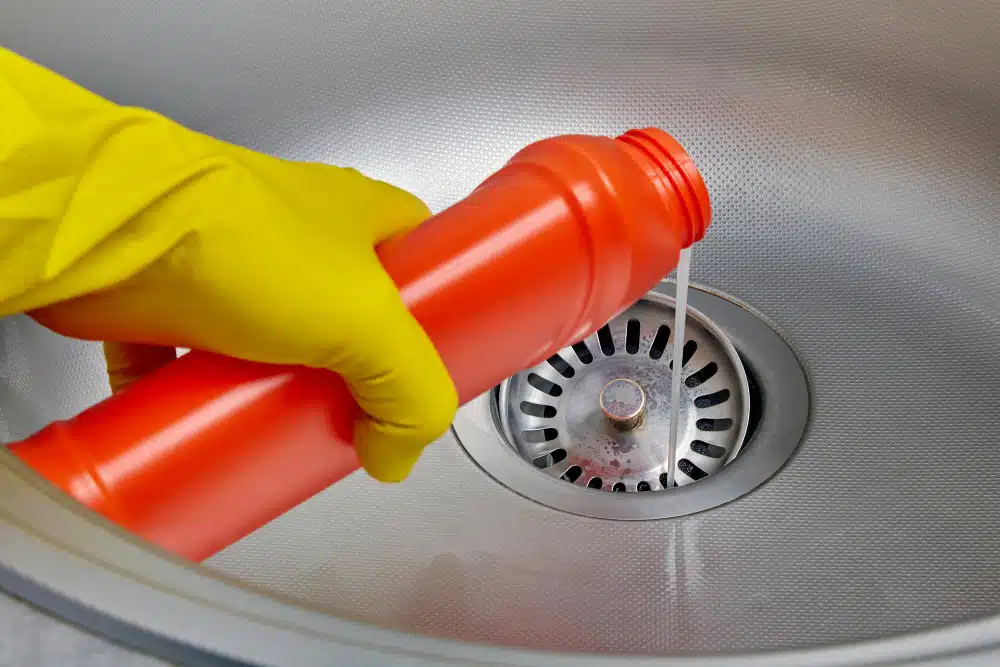

Chemical drain cleaners may seem like a quick fix for stubborn clogs. You pour them in, wait a few minutes, and expect the drain to clear. But what really happens inside your pipes is rarely that simple. These powerful chemicals react with heat, grease, and buildup, which can slowly cause pipe damage. Over time, this can lead to leaks, corrosion, and costly repairs.
Before using another bottle, it’s important to understand how chemical drain cleaners affect your plumbing. Following safe drain cleaning methods and applying the right plumbing tips can prevent damage and keep your pipes healthy. Keep reading to learn the risks of chemical cleaners, why clogs return, and safer solutions that protect your plumbing system.
What the Ingredients in Chemical Drain Cleaners Are
The point of chemical drain cleaners is to quickly break up obstructions. To do this, they use things that react very quickly. These chemicals don’t just break up the obstruction; they also react with everything else in your pipes.
Common Chemicals Found in Drain Cleaners
Most drain cleaners can be put into three primary groups:
Cleaners that are caustic
Most of the time, these have sodium hydroxide or potassium hydroxide in them. They work by changing grease and organic waste into something that are like soap. This process gives off heat, which helps break up clogs but also puts stress on the walls of the pipes.
Cleaners that are based on acid
Some heavy-duty items use acids like hydrochloric acid or sulfuric acid. Over time, these things can break down hair, food, and even metal. They move swiftly yet are quite hard on plumbing supplies.
Cleaning agents that oxidize
These have bleach or peroxide in them. They break up clogs by creating gas and heat through chemical reactions that push debris into the pipe.
How These Chemicals Work in Pipes
The cleanser sinks through standing water and reacts instantly with the clog when it is put down the drain. This reaction makes a lot of heat. It might help clear some of the obstruction in modest amounts. Repeated application of heat weakens the walls and joints of pipes.
The issue is that pipes aren’t made to handle chemical reactions over and over again. Even contemporary plumbing materials wear out over time.
Why the “Fast-Acting” Formula Is a Warning Sign
It seems good to get results quickly, but there is a price to pay for speed. The more chemical reactions happen, the more stress they impose on your plumbing system. Older pipes, thin PVC, and metal drains are more likely to break.
These compounds can:
- Thin walls of the pipe
- Break seals and joints
- Speed up corrosion
- Make your plumbing last less long
The first step to understanding why chemical drain cleaners typically do more harm than good is to know what’s in them.
How different pipe materials are harmed by chemical drain cleaners
Chemical drain cleaners don’t work the same way on all pipes. The damage to your plumbing will depend on the type of material, how old it is, and how well it is working. In a lot of houses, using chemicals over and over again slowly undermines the system from the inside.
How it affects PVC and plastic pipes
Most homes today have PVC pipes. They are cheap and light, but they don’t hold up well in very hot weather. Chemical drain cleaners produce heat when they react. This heat might make PVC softer over time.
This makes:
- Bending of pipe walls
- Joints that are loose or broken
- Little cracks that let water flow out without being seen
Using it a lot raises the risk, especially if you leave cleansers in the drain longer than the instructions say.
Hurt Metal Pipes
Steel, iron, or copper pipes are common in older homes. Acid-based drain cleansers are especially bad for these things.
Some common problems are:
- Corrosion inside
- Walls of pipes getting thinner
- Rust that builds up and makes subsequent clogs worse
The pipe gets weaker and more likely to leak or rupture once it starts to rust.
Effect on Old or Aging Plumbing Systems
Pipes in older plumbing systems have already been used for years and are starting to wear out. Chemical cleaners make things break down faster. Small problems might quickly turn into big failures.
Pipes that are older are more likely to:
- Break when it’s hot
- Make tiny holes leak
- Fail at bends and joints
Seals, joints, and connections that are broken
Seals, adhesive, or rubber gaskets are used to join pipes. Chemical drain cleaners don’t merely work on the pipe. They also break down these areas of linkage.
Water leaks out slowly when seals get weak. People generally don’t notice this until it causes a lot of harm under floors or behind walls.
Why using something again and over again makes it worse
One use might not leave any noticeable damage. The underlying issue is that people keep applying. Every time you use it, you add tension, heat, and chemicals. The pipe gets weaker and less flexible with time.
What starts out as a simple blockage might end up with:
- Repairs that cost a lot
- Replacing pipes
- Damage to the inside of the house from water
Before you seek for chemical solutions, you need to know what kind of pipe you have.
Effects on plumbing systems in the short term and long term
Chemical drain cleaners seem to work at first. The problem seems to be fixed when the water starts flowing again. But what happens right away is completely different from what happens over time.
Short-Term Results: Why It Looks Like Drains Are Clearing
Chemical drain cleaners can break down some of the clog in the near term. Hair gets softer. Grease gets loose. Waste that is organic breaks decomposed. This makes it look like the drain is fixed.
But most of the time:
- The middle of the obstruction is the only part that is cleared.
- There is still buildup on the walls of the pipe.
- Debris is pushed deeper into the system.
This short-term relief makes people want to use it again, which makes the damage worse.
Damage That Starts Right Away
Chemical reactions start to harm your plumbing even after only one use. Pipes get weaker when they get hot. Acids and caustic substances begin to break down surfaces. Chemical residue gets into joints and seals.
You might not see any problems immediately away. But the harm is already happening inside the pipe.
Effects on Your Plumbing Over Time
Small problems become big ones when they happen over and over. Pipes get thinner. It gets brittle. Inside of metal, it rusts.
In the long run, this leads to:
- Clogs that happen a lot
- Drains that take a long time to clear
- Water leaks inside walls or under floors
- Sudden pipe breakage
The expense of fixing things is typically higher than the cost of cleaning the drain properly.
Why chemical cleaners don’t get to the bottom of the problem
Grease buildup, soap residue, tree roots, or the wrong slope of the pipe are the most common causes of clogs. Chemical cleaners don’t fix these problems that are underneath.
Instead, they:
- Cover up the problem for now
- Let the buildup get worse
- Make your plumbing system last less long
If a drain needs chemical treatment all the time, there is a bigger problem.
The Cycle of Harm and Dependence
When pipes are broken, it is easier for clogs to form. Debris gets stuck to rough pipe surfaces faster. This makes drains clog more often, and each time, stronger chemicals are utilized.
If you break this cycle early, your plumbing won’t get damaged for good.
Risks to health and safety from using chemical drain cleaners
Chemical drain cleaners are bad for more than just plumbing. They can hurt those who are inside the house. Not only mishaps happen when you utilize something normally.
Injuries to the skin and eyes from direct contact
Most drain cleaners have ingredients that are very caustic. Even a little splash can burn you badly.
Some common injuries are:
- Burns or skin irritation from chemicals
- Eye injury that can make you lose your vision
- Blisters from short touch
These kinds of injuries happen a lot when you pour the product or when you deal with splashback from standing water.
Breathing Problems and Toxic Fumes
Chemical drain cleaners let out toxins when they come into contact with obstructions. These vapors can be bad for your health, especially in small restrooms with insufficient ventilation.
Being exposed to it may cause:
- Coughing or a sore throat
- Not being able to breathe
- Dizziness or headaches
Combining drain cleansers with other home items, such bleach or ammonia, might let out harmful gasses.
Children and pets are at risk.
Under sinks is a common place to keep drain cleaners. Kids and pets can easily get to these.
When you accidentally come into contact with it, it can cause:
- If you consume it, it can cause serious burns inside.
- Fumes that make you sick
- Going to the hospital in an emergency
Containers that are sealed can nonetheless leak or tip over.
Risky to Try to Clear Your Own Drain
If a drain cleaner doesn’t work and you try to plunge or snake the drain again, the chemical can splash back. This is a big safety risk.
Plumbers often see injuries caused by:
- Chemical spray under pressure
- Chemical reactions that weren’t predicted
- Not properly dealing with plugged drains
Why protective gear isn’t always enough
Gloves and goggles assist, but they don’t get rid of all the risk. Safety gear can’t stop strong chemicals from soaking through thin gloves or letting out fumes.
Many professionals stay away from chemical drain cleaners because of these risks.
It’s just as vital to know how chemical drain cleaners affect pipes as it is to know about these health and safety dangers.
The effect of chemical drain cleaning products on the environment
Chemical drain cleaners don’t just work when they go down the drain. These pollutants keep hurting the environment even after you leave your house.
How Chemicals in Drain Cleaner Get into Water Systems
Chemical cleansers that you pour down the drain go through sewer lines or septic systems. Many of these compounds are not completely neutralized following treatment.
So, they can:
- Enter rivers, lakes, and groundwater
- Change the natural equilibrium of water
- Hurt habitats in water
Even little amounts used often might add up over time.
Damage to septic systems
Homes with septic tanks are at a higher danger. Chemical drain cleansers might kill good microorganisms that live in the tank. These bacteria are important for getting rid of trash.
Without them:
- Solid waste builds up more quickly
- Tanks get full or blocked.
- It is more likely that septic repairs will cost a lot.
This damage is often irreversible and costs a lot to fix.
Damage to Aquatic Life
A lot of the chemicals in drain cleaners are bad for fish, plants, and tiny living things. Acidic and caustic substances can burn tissues and change the amount of oxygen in water.
Some of the effects on the environment are:
- Dead fish
- Less growth of plants
- Damage to local ecosystems that lasts a long time
These effects don’t stay in one place. Water pollution spreads swiftly.
Long-Term Pollution and Soil Contamination
Chemicals can get into the soil through leaks in septic systems or sewage pipes. This pollutes the land and can harm surrounding wells and plants.
When soil gets polluted:
- It takes years to get better.
- Cleaning up is hard
- Damage to the environment lasts a long time
Why Eco-Friendly Labels Can Be Wrong
Some products say they are “green” or “safe,” yet many still have harsh chemicals that damage water systems when used a lot.
Not merely changing labels will make the environment safer. Reducing chemical use is what will do that.
Knowing how chemicals affect the environment shows why drain cleaners made of chemicals aren’t a good long-term solution. Taking care of your pipes is also good for the environment.
Why chemical drain cleaners don’t always fix the real problem
Chemical drain cleaners are sold as long-term fixes. In actuality, they usually only help for a short time and make the real problem worse.
They Only Fix Blockages on the Surface
Most clogs are not just one big piece. There are layers of grease, soap, hair, and other detritus adhering to the walls of the pipes. Most of the time, chemical cleaners burn through a little hole in the middle.
What is left:
- Thick residue on the walls of the pipe
- Grease that gets hard again
- Debris that picks up new trash
Water may flow for now, but the obstruction rapidly comes back.
Chemicals Can Make the Problem Worse
Chemical reactions can break up trash and push it deeper down the drain line instead of getting rid of the clog. This often shifts the blockage to places that are difficult to get to.
Deeper clogs are:
- Harder to get rid of
- More likely to make backups
- More expensive to fix
At that time, do-it-yourself fixes don’t work anymore.
Not all of the grease and soap buildup is gone.
Grease is a common reason for clogs. Chemical drain cleansers make it softer, but they don’t usually get rid of it altogether. The grease hardens again when the water cools down.
This makes:
- Slow drains that happen over and over again
- Strong smells
- Need for stronger chemicals often
The cycle goes on until the pipe breaks.
They Don’t Fix Problems with the Structure of the Plumbing
Some difficulties with drainage have nothing to do with trash. Some common concealed problems are:
- Misalignment of pipes
- Pipes that are drooping or bellied
- Tree roots getting in the way
- Bad slope on the pipe
You can’t repair these problems using chemical cleaners. They just put off fixing things the right way.
Using it again and again makes clogs worse in the future.
When pipes get broken and rough on the inside, they catch debris more quickly. This means that clogs happen more often and are harder to clean.
After a while, homeowners use:
- More chemicals
- More powerful formulations
- More applications more often
This makes things worse without making things better.
When quick fixes turn into expensive mistakes
A cheap fix often ends up costing a lot of money to fix. Cleaning your drains properly is more cheaper than fixing leaks, replacing pipes, or dealing with water damage.
Knowing why chemical drain cleaners don’t work helps explain why there are safer options.
Cleaner Options That Are Safer Than Chemical Drain Cleaners
You don’t have to put your pipes, health, or the environment at risk when you clear a drain. There are safer ways that work just as well, and sometimes even better, without hurting things in the long run.
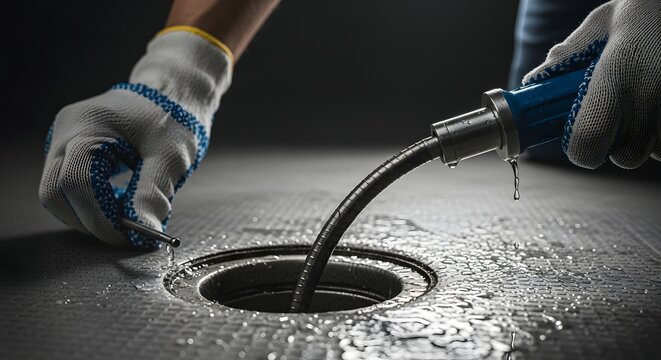
Cleaning Drains Using Machines
Instead of reacting with clogs, physical tools get rid of them. This makes them safer for all kinds of pipes.
Some common choices are:
- Plungers for soft clogs that are close to the surface
- Use drain snakes or augers to get rid of hair and other things.
- Bathroom drains can be cleaned with handheld zip tools.
These methods go straight to the clog and don’t hurt the walls of the pipes.
Cleaning Drains Using Enzymes
Natural microorganisms are used in enzyme cleaners to break down organic waste. They take longer to work than chemical cleansers, but they are considerably safer.
Some benefits are:
- No heat or rust
- Not harmful to PVC or metal pipes
- Good for septic systems
They work best for keeping things clean and preventing blockages, not for fixing them when they do.
Natural cleaning products and hot water
Light blockages can be fixed and avoided using easy household solutions.
Good choices:
- Hot water to get rid of oil
- For light accumulation, use baking soda and vinegar.
- Flushing regularly to keep accumulation from happening
These approaches work best when you utilize them all the time.
Habits for Taking Care of Drains Before They Break
The best way to stay safe is to avoid problems. Little things can stop clogs before they happen.
Some helpful things to do are:
- Don’t dump oil down the sink.
- Use strainers in your drains
- Flush the drains often
- Every month, clean the drains in the bathroom.
These measures mean you don’t have to use harsh cleansers as much.
When DIY Options Are Enough
Safer options are usually enough for slow drains, bad smells, or small obstructions. They keep your plumbing safe and your drains clear.
If problems keep happening, it’s usually a symptom of a bigger problem, not a need for harsher medications.
When to Get a Professional Plumber Instead
Sometimes, even the safest ways to do things yourself don’t work. It can save your pipes, your health, and your budget if you know when to call a plumber.
Clogs that won’t go away or are very bad
If your drain keeps getting clogged or the water drains very slowly, it could mean:
- Deep obstructions that are far away from the drain
- Corrosion or accumulation in pipes
- Problems with the structure, such as pipes that are sagging or not lined up properly
A professional has the necessary gear, such as motorized drain snakes and cameras, to find and safely remove obstructions.
Signs that your pipes are broken
Chemical cleansers and trying to fix things yourself again and over can mask the real condition of your pipes. If you see any of the following, call a plumber:
- Leaks behind walls or under sinks
- Change in hue of water
- Weird sounds coming from pipes
- Backups a lot
Early attention stops small problems from becoming big repairs.
Difficult Plumbing Problems
Some plumbing problems can’t be fixed by just cleaning. Professionals take care of:
- Tree roots getting in
- Pipes that are broken or have fallen down
- Pipes that are bent or out of line
- Problems with the sewer line
For these kinds of jobs, you need experience, unique tools, and understanding of construction codes.
Advantages of Hiring a Professional to Clean Your Drains
It may seem like hiring a plumber costs more at first, but it can save you money and hassle in the long run. Professionals offer:
- Taking out all of the clogs
- Little risk to pipes and plumbing parts
- Handling chemical wastes safely
- Tips for keeping things running and avoiding problems
Programs for Preventive Maintenance
A lot of plumbing companies provide plans for regular maintenance. Some of these are:
- Scheduled checks of the drains
- Cleaning on a regular basis
- Finding pipe wear early
Regular expert maintenance keeps your plumbing system in top shape and makes you less likely to want to use harsh chemical cleaners.
In conclusion
Chemical drain cleaners may seem like a quick remedy, but the risks are usually greater than the advantages. They can hurt your health, ruin the environment, and break pipes, but they don’t often fix the real problem that causes clogs. Mechanical procedures, enzyme-based cleansers, and preventive maintenance are safer options that work better in the long run.
Knowing when to hire a professional plumber is also important for keeping your plumbing system in good shape and avoiding expensive repairs. Pick better methods to keep your home and pipes safe.
Home Fix Services is your partner in keeping drains clear and plumbing systems healthy. They offer experienced advice and safe drain cleaning services.


Leave a Reply