
“If you’re wondering how to reduce AC electricity bill in summer. Energy bills can feel like they spiral out of control during the hottest months of the year. When the temperature outside climbs and stays high for weeks at a time, your air conditioner runs almost nonstop — and every hour it runs adds to your monthly electricity cost. For many homeowners, cooling alone accounts for 40 to 70 percent of their total summer energy bill. That is a significant portion of household spending, and for most families, it is an area where real savings are possible with the right approach.
The encouraging truth is that cutting your cooling costs does not mean sitting in an uncomfortable home. It means being smarter about how your system operates, keeping it in good condition, making targeted improvements to your home, and knowing when it is time to upgrade aging equipment. Whether your energy bills have crept up gradually or spiked suddenly, this guide gives you a comprehensive, actionable plan to bring those costs down — starting today.
Understanding Why Your AC Costs So Much to Run
Before you can solve a problem, it helps to understand its root cause. High cooling costs are almost never the result of just one issue. They are usually the combined effect of several factors working against your system’s efficiency at the same time.
Your System Is Working Harder Than It Should
An air conditioner’s job is to remove heat from inside your home and release it outside. The more heat that enters your home — through the roof, walls, windows, and air leaks — the harder your AC has to work to maintain a comfortable temperature. When your home is poorly insulated or full of air leaks, your system runs almost continuously without ever truly catching up. That constant running burns electricity and accelerates wear on the equipment.
The System Itself May Be Inefficient
Not all air conditioners are created equal. Efficiency has improved dramatically over the past two decades, and an older system installed 12 to 15 years ago may be operating at a fraction of the efficiency of modern units. SEER ratings — the measure of AC efficiency — have risen significantly, and a system with a low SEER rating can cost two to three times more to operate than a high-efficiency modern replacement doing exactly the same cooling work.
Lack of Regular Maintenance
Even a high-quality, modern AC system loses efficiency quickly without regular maintenance. Dirty filters, clogged coils, low refrigerant, and worn components all force the system to consume more electricity to produce the same amount of cooling. Studies suggest that a poorly maintained AC system can operate at 25 to 40 percent below its rated efficiency — meaning you are paying significantly more than you should for the cooling you receive.
Thermostat and Usage Habits
How and when you use your air conditioner has a direct and immediate impact on your energy bill. Cooling an empty home to the same temperature as when it is occupied, setting the thermostat too low, or running the AC with windows and doors open are all common habits that add unnecessary cost without adding meaningful comfort.
Thermostat Strategies That Cut Cooling Costs Immediately
Your thermostat is the control center of your entire cooling system. Small changes to how you use it can produce immediate and noticeable reductions in your energy bill.
Set the Right Temperature for Comfort and Efficiency
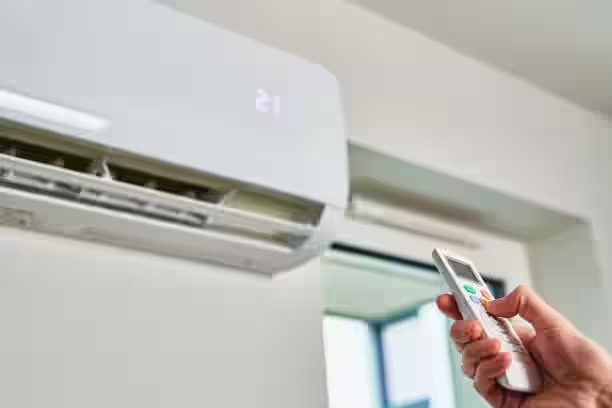
Energy experts consistently recommend setting your thermostat to 78°F when you are home during the day in summer. This temperature keeps most people comfortable while minimizing energy consumption. For every degree you lower the thermostat below this point, your cooling costs increase by approximately 3 percent. Conversely, raising the thermostat setting by just a few degrees when you are away or asleep can reduce cooling costs significantly.
When you leave home for work or errands, raise the thermostat to 85°F or higher. There is genuinely no benefit to cooling an unoccupied home to the same temperature you maintain when you are there. If you have pets at home, keep the temperature at a safe and comfortable level for them — around 78 to 80°F is typically appropriate.
Upgrade to a Smart Thermostat
If you are still using a manual or basic programmable thermostat, upgrading to a smart thermostat is one of the highest-return investments available to homeowners. Smart thermostats learn your daily schedule and automatically adjust temperatures to reduce energy consumption when cooling is not needed — without requiring you to remember to adjust the settings manually.
Many smart thermostats also provide detailed energy usage reports, letting you see exactly how much your cooling is costing and identifying patterns that could be improved. The energy savings from a smart thermostat — typically 10 to 15 percent on cooling costs annually — often pay for the device within a single cooling season.
Use Pre-Cooling Strategically
One effective strategy is to pre-cool your home during off-peak hours — typically early morning — before outdoor temperatures peak. By dropping your home’s temperature slightly in the morning when the AC doesn’t have to work as hard, you can then allow the thermostat to rise a few degrees during the hottest afternoon hours. The thermal mass of your home holds the coolness longer than most people expect, keeping you comfortable through the peak heat of the day at a lower overall energy cost.
Essential AC Maintenance for Maximum Efficiency
Regular maintenance is the foundation of an energy-efficient cooling system. Neglecting maintenance is one of the most common and costly mistakes homeowners make — and one of the easiest to fix.
Replace Air Filters on Schedule
Air filters are your system’s first line of defense against dust, pollen, pet dander, and debris. When filters become clogged, they restrict the flow of air through the system. Your AC then has to work harder and run longer to move the same amount of air — consuming more electricity and putting additional strain on the motor and compressor.
During peak cooling season, check your air filter every month. Replace it at least every 30 to 60 days, or more frequently if you have pets, allergies, or a dusty environment. A clean filter alone can reduce AC energy consumption by 5 to 15 percent. It is the simplest and least expensive maintenance task available — and one of the most impactful.
Keep the Outdoor Condenser Unit Clean
The outdoor condenser unit is responsible for releasing heat from your home into the outside air. For it to do this effectively, it needs adequate airflow through the condenser coils. When grass clippings, leaves, dust, seed pods, and other debris accumulate on or around the unit, airflow is restricted and efficiency drops sharply.
Inspect the outdoor unit regularly and keep at least two feet of clear space on all sides. Use a garden hose to gently rinse debris from the fins a few times per season — always after turning off power to the unit first. Never use a pressure washer, as the high pressure can bend or damage the aluminum fins and reduce performance further.
Clean the Evaporator Coil
The evaporator coil — located inside your air handler — is where the actual cooling of your home’s air takes place. Over time, dust and debris accumulate on the coil surface, insulating it and reducing its ability to absorb heat efficiently. A dirty evaporator coil can reduce system efficiency by 20 percent or more.
Evaporator coil cleaning is best handled during a professional annual tune-up, as accessing the coil requires opening the air handler cabinet and using appropriate cleaning agents without damaging the coil or surrounding components.
Maintain the Condensate Drain Line
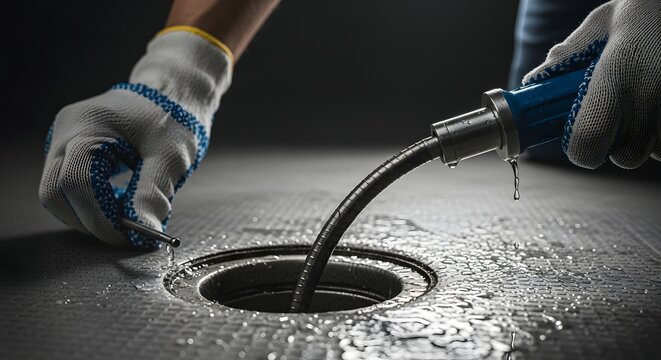
As your AC cools the air inside your home, it also removes humidity. That moisture collects on the evaporator coil and drains away through the condensate line. When this line becomes blocked with algae, mold, or debris, water backs up into the system — reducing its dehumidification ability and potentially causing water damage.
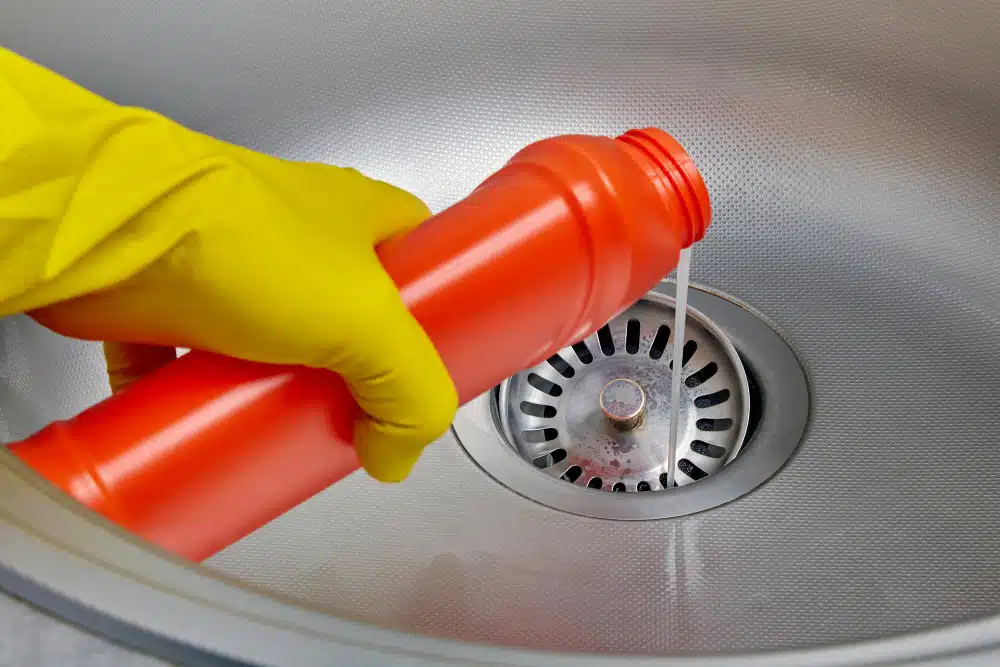
Pour a cup of distilled white vinegar down the condensate drain line every couple of months to prevent algae growth. If you notice water pooling near the indoor unit or musty odors coming from your vents, the condensate line may already be blocked and should be cleared by a professional promptly.
Schedule Annual Professional Tune-Ups
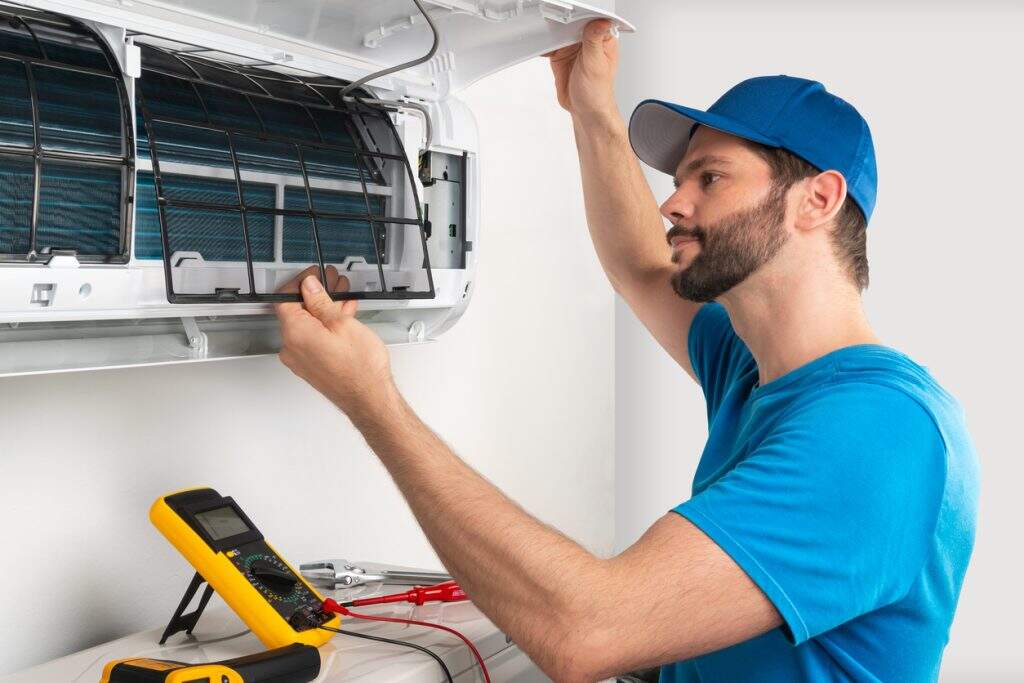
A certified HVAC technician performs a level of inspection and maintenance that goes far beyond what a homeowner can accomplish independently. During an annual tune-up, a technician will check and recharge refrigerant if needed, clean the evaporator and condenser coils, test and tighten all electrical connections, lubricate moving parts, check the blower motor and belt, calibrate the thermostat, and verify that the system is operating within manufacturer specifications.
An AC system with low refrigerant or dirty coils can consume 20 to 40 percent more electricity than a properly maintained unit producing the same amount of cooling. Investing in an annual professional tune-up is one of the most cost-effective maintenance decisions a homeowner can make.
Home Improvements That Reduce How Hard Your AC Works
Your air conditioner can only do so much if your home is allowing excessive heat to enter through the roof, walls, windows, and gaps. Reducing heat gain is just as important as maintaining the AC system itself.
Add or Upgrade Attic Insulation
Heat builds up intensely in attics during warm weather, and without adequate insulation, that heat radiates directly down into your living spaces. This forces your AC to run almost continuously just to offset the heat pouring in from above.
The U.S. Department of Energy recommends insulation levels of R-38 to R-60 for attics in warm climates. If your attic insulation is thin, compressed, or patchy, adding insulation is one of the highest-return home improvement investments available. Homeowners who properly insulate their attics typically see cooling cost reductions of 15 to 25 percent — often recouping the cost of the insulation within two to three cooling seasons.
Seal Air Leaks Throughout the Home
Air leaks are a hidden but significant source of energy waste. Gaps and cracks around door frames, window edges, electrical outlets on exterior walls, recessed lighting fixtures, and penetrations for pipes and wiring all allow hot outdoor air to continuously infiltrate your home while letting conditioned air escape.
Inspect your home carefully for drafts and seal gaps with weather stripping on doors and caulk around windows and penetrations. The EPA estimates that proper air sealing can reduce heating and cooling costs by up to 20 percent — making it one of the most impactful and affordable improvements available.
Use Window Treatments to Block Heat
Windows — especially those facing south and west — allow significant amounts of solar heat to enter your home during the afternoon hours. This solar heat gain directly increases the cooling load on your AC system.
Keeping blinds, curtains, or shades closed during the peak sun hours of 10 AM to 5 PM can reduce heat gain through windows by 45 percent or more. Reflective window films applied to south and west-facing windows offer even greater protection and can be installed as a permanent, low-maintenance solution.
Make Strategic Use of Ceiling Fans
Ceiling fans do not lower the temperature of a room — they create a wind-chill effect that makes the people in the room feel cooler. This distinction is important: a ceiling fan only saves you money if you raise the thermostat to take advantage of the perceived cooling effect.
By running ceiling fans in occupied rooms, most people can raise their thermostat setting by 4 degrees without feeling any less comfortable. Over a full cooling season, that thermostat adjustment produces meaningful energy savings. Always turn ceiling fans off when leaving a room — a fan cooling an empty room is simply wasting electricity with no benefit to anyone.
Reduce Indoor Heat Generation
Appliances, lighting, cooking, and electronics all generate heat inside your home, adding to the cooling load your AC must handle. Being strategic about when and how you use heat-generating appliances can meaningfully reduce your cooling costs.
Cook outdoors on a grill or use a microwave instead of the oven during the hottest part of the day. Run dishwashers and clothes dryers in the evening when outdoor temperatures are lower. Switch any remaining incandescent bulbs to LED lighting, which produces a fraction of the heat of older bulbs. These small behavioral adjustments add up to real savings over time.
Upgrade to a High-Efficiency Cooling System
When your AC system is aging and inefficient, maintenance and home improvements can only take you so far. At some point, upgrading to a modern high-efficiency system is the most economical decision available.
Know Your System’s SEER Rating
SEER — Seasonal Energy Efficiency Ratio — is the standard measure of air conditioner efficiency. The higher the SEER rating, the less electricity the system uses to produce the same amount of cooling. Older systems commonly have SEER ratings of 8 to 10. Today’s minimum standards require 14 SEER or higher, and premium systems reach 20 to 25 SEER.
Upgrading from a 10 SEER system to a 16 SEER system reduces cooling energy consumption by 38 percent. For a household spending $300 per month on cooling, that translates into over $100 in monthly savings — and the investment in a new system typically pays for itself within a few years through reduced energy bills.
Consider a Variable Speed System
Traditional single-stage AC systems operate in one mode — full blast. They cycle on at 100 percent capacity, cool the space, then shut off — repeating this cycle throughout the day. Variable speed systems are fundamentally different. They can run at anywhere from 30 to 100 percent capacity, modulating continuously based on real-time cooling demand.
Variable speed systems are significantly more efficient than single-stage systems, maintain more consistent temperatures throughout the home, remove humidity far more effectively, and operate more quietly. The upfront cost is higher, but the long-term energy savings and comfort improvements make them the preferred choice for homeowners planning a long-term upgrade.
Inspect and Seal Your Ductwork
Before or alongside any system upgrade, have a professional inspect your ductwork. Research consistently shows that the average home loses 20 to 30 percent of conditioned air through leaky ducts — air that never reaches the living spaces it was meant to cool. Sealing and insulating ductwork ensures that every dollar of cooling energy your system produces actually reaches the rooms where you need it.
Simple Daily Habits That Lower Your Cooling Bill
Not everything on this list requires a purchase or a professional. These zero-cost daily habits can make a real and immediate difference.
Keep Doors and Windows Closed During the Day
Every time an exterior door or window is opened during hot weather, warm humid air rushes in and your AC has to work to remove it. Be mindful of how often and how long exterior openings are left open during peak heat hours.
Take Advantage of Cool Morning Air
On days when morning temperatures are pleasant, open windows to let in cool fresh air and give your AC a rest. Close everything up before temperatures begin to rise — typically by mid-morning — and the cool air you have captured will carry you further into the day before the AC needs to kick in.
Keep All Vents Open and Unobstructed
It might seem logical to close vents in unused rooms to redirect airflow, but this actually increases pressure in the duct system and reduces overall efficiency. Keep all supply vents fully open and ensure they are not blocked by furniture, rugs, curtains, or other obstructions.
When Professional Help May Be Needed
If your AC system is not performing efficiently or your energy costs continue to rise despite basic adjustments, it may be a sign of underlying issues that require expert attention. Routine maintenance, proper installation, and system optimization all play an important role in keeping your air conditioner running efficiently.
Qualified HVAC professionals can assist with tasks such as system inspections, ductwork evaluation, thermostat setup, and overall performance improvements. Addressing these factors early helps maintain consistent cooling, improves energy efficiency, and extends the lifespan of your AC system.
Conclusion:
Reducing your energy costs with efficient AC cooling is not about making one big change — it is about combining smart decisions, consistent maintenance, and practical daily habits. When you understand how your system works and take simple steps to support its efficiency, the results add up quickly. Lower bills, better comfort, and longer equipment life all come from the same approach.
Start with the easiest wins: adjust your thermostat settings, replace your air filters regularly, and eliminate unnecessary cooling when your home is empty. Then build on those savings by improving insulation, sealing air leaks, and maintaining your system properly. If your unit is outdated, upgrading to a high-efficiency system can deliver some of the biggest long-term savings.
The key is consistency. Small improvements made today will continue saving you money every single month. Whether you choose to implement simple habits or invest in larger upgrades, every step moves you closer to a more energy-efficient home.
If you want faster results and expert guidance, professional support can make all the difference. A well-maintained and properly optimized cooling system doesn’t just reduce energy costs — it transforms how efficiently your entire home operates.
Take action today, and start turning your AC from a major expense into a smart, controlled investment.
Visit Us : homefixservices.us
Home Fix Services — Complete Home Solutions Under One Roof. Licensed, Insured & Ready to Help.

Leave a Reply