
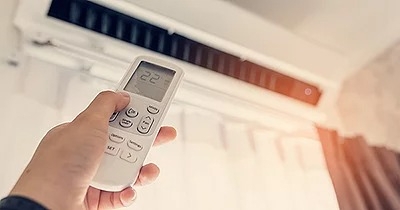

There are few things more frustrating than turning on your air conditioner on a hot day and feeling warm air blowing out of the vents. You expect cool, refreshing air — and instead you get the opposite. If this has happened to you, you are not alone. AC blowing warm air is one of the most common complaints homeowners bring to HVAC technicians every summer. The good news is that this problem almost always has a specific cause — and once that cause is identified, it can be fixed.
In this guide, we will walk you through every possible reason your AC might be blowing warm air, explain what is happening inside the system, tell you what you can check yourself, and help you understand when it is time to call a professional. By the end, you will have a clear picture of what is wrong and what needs to happen to get your home cool again.
Understanding How Your AC System Actually Works
Before diving into the causes, it helps to have a basic understanding of how your air conditioning system cools your home. Many homeowners assume the AC simply “creates cold air” — but that is not quite how it works.
Your air conditioner works by removing heat from inside your home and transferring it outside. It does this using a refrigerant — a special chemical that circulates between the indoor unit and the outdoor unit. The refrigerant absorbs heat from the warm air inside your home at the evaporator coil, then carries that heat to the outdoor condenser unit where it is released outside. The cooled air is then blown back into your living spaces through the ductwork.
When any part of this process breaks down — whether it is the refrigerant, the coils, the airflow, or the electrical system — the result is often warm air coming out of your vents instead of cool air. Understanding this cycle makes it much easier to understand why each of the following causes produces the same frustrating symptom.
Your Thermostat Is Set Incorrectly
This might sound too simple, but it is the first thing any HVAC technician will check — and it causes more service calls than you might expect. Before assuming something is broken, check your thermostat settings carefully.
The Fan Is Set to ON Instead of AUTO
Your thermostat has two fan settings — ON and AUTO. When the fan is set to AUTO, it only blows air when the system is actively cooling. When it is set to ON, the fan runs continuously — even when the cooling cycle is not running. During the periods between cooling cycles, the fan pushes unconditioned room-temperature air through your vents. To a homeowner sitting near a vent, this feels like warm air.
The fix is simple — switch the fan setting from ON to AUTO. This ensures that air only comes through the vents when the system is actually cooling it.
The Temperature Is Set Too High
It sounds obvious, but check that your thermostat is set to COOL mode and that the target temperature is set lower than the current room temperature. If the thermostat is set to HEAT, or if the target temperature is equal to or higher than the room temperature, the system has no reason to cool. This is especially common after winter when the system may have been left in heating mode.
The Thermostat Needs New Batteries or Recalibration
A thermostat with dying batteries or a calibration issue may not be reading the room temperature accurately — causing it to think the house is already at the right temperature when it is not. Try replacing the batteries and see if the system responds correctly. If the problem persists, the thermostat may need professional recalibration or replacement.
Dirty or Clogged Air Filter
A dirty air filter is one of the leading causes of AC performance problems — including warm air blowing from vents. Most homeowners know they should change their filters, but it is one of the most commonly neglected maintenance tasks.
What Happens When the Filter Is Clogged
When the air filter becomes heavily clogged with dust, pet hair, and debris, it restricts the flow of air through the system. Without adequate airflow, the evaporator coil — which is responsible for absorbing heat from your indoor air — cannot do its job properly. The coil gets too cold and can actually freeze over, creating a layer of ice that completely blocks airflow and prevents cooling. The result is warm or room-temperature air blowing through your vents.
A clogged filter also forces the blower motor to work harder than it was designed to, increasing energy consumption and accelerating wear on the system.
What to Do
Check your air filter immediately. If it is visibly grey, clogged, or has not been changed in more than 60 days, replace it right away. If the evaporator coil has frozen over, turn the system off and let it thaw completely — which can take several hours — before restarting it with a clean filter in place. Running a frozen system can damage the compressor, which is one of the most expensive components in your AC.
Going forward, check your filter every month during peak cooling season and replace it every 30 to 60 days.
Low or Leaking Refrigerant
Refrigerant is the lifeblood of your air conditioning system. Without the correct amount of refrigerant, your system simply cannot transfer heat effectively — and warm air from the vents is the immediate result.
How Refrigerant Leaks Happen
Contrary to what many homeowners believe, refrigerant does not get “used up” like gasoline. A properly functioning AC system operates on a closed loop — the same refrigerant circulates continuously for the life of the system. If refrigerant levels are low, it means there is a leak somewhere in the system. Common leak points include the evaporator coil, the refrigerant lines, the Schrader valve, and fittings throughout the system.
Refrigerant leaks can develop slowly over months or years. A tiny leak might cause a gradual decline in cooling performance that you barely notice at first — until one day your AC is blowing noticeably warm air.
Signs of a Refrigerant Leak
Besides warm air from vents, other signs of low refrigerant include ice buildup on the refrigerant lines or outdoor unit, a hissing or bubbling sound near the indoor unit, higher than usual electricity bills, and the system running constantly without reaching the set temperature.
What to Do
Refrigerant handling requires EPA certification — it is not a DIY repair. If you suspect a refrigerant leak, call a licensed HVAC technician. They will use specialized equipment to locate the leak, repair it, and recharge the system to the correct refrigerant level. Simply adding refrigerant without fixing the leak is a temporary fix at best — the system will lose refrigerant again and the problem will return.
Never let a technician add refrigerant without first locating and repairing the source of the leak. Responsible and thorough repair is the only real solution.
Frozen Evaporator Coil
The evaporator coil sits inside your indoor air handler and is where the refrigerant absorbs heat from your indoor air. When something interferes with the heat exchange process — most commonly restricted airflow or low refrigerant — the coil temperature drops below freezing and ice begins to form on its surface.
Why a Frozen Coil Causes Warm Air
When the evaporator coil is covered in ice, warm indoor air can no longer make proper contact with the cold refrigerant inside the coil. The heat exchange process is effectively shut down. The blower fan continues to push air through the system, but since the cooling process is no longer happening, warm or room-temperature air comes through the vents.
Signs Your Evaporator Coil Is Frozen
Open the access panel on your indoor air handler and look at the coil. If you see ice or frost on the coil or on the refrigerant lines, the coil has frozen. You may also notice water pooling near the indoor unit as the ice melts, or a significant reduction in airflow from your vents.
What to Do
Turn the system completely off and set the fan to ON to help thaw the coil. Do not run the AC in cooling mode with a frozen coil — doing so risks serious damage to the compressor. Once the coil has fully thawed — typically within two to four hours — check and replace the air filter, then restart the system.
If the coil freezes again, the underlying cause needs professional diagnosis. Common culprits include a dirty coil, low refrigerant, or a failing blower motor — all of which require professional attention.
Dirty or Blocked Condenser Unit
While the evaporator coil handles heat absorption inside, the outdoor condenser unit is responsible for releasing that heat outside your home. If the condenser cannot release heat efficiently, the entire cooling cycle is compromised — and warm air is the result.
How the Condenser Gets Blocked
The outdoor condenser unit is constantly exposed to the elements. Over time, grass clippings, cottonwood seeds, leaves, dirt, and debris build up on the condenser coils and fins, coating the surface and blocking airflow through the unit. If the area around the unit is overgrown with vegetation or cluttered with objects, airflow is restricted even further.
When heat cannot escape from the condenser efficiently, the system’s ability to cool the refrigerant is reduced. The refrigerant enters the evaporator coil warmer than it should be and absorbs less heat from your indoor air — resulting in warm or insufficiently cooled air blowing through your vents.
What to Do
Inspect your outdoor unit regularly. Keep at least two feet of clear space on all sides. Remove any visible debris from the top and sides of the unit. Use a garden hose to gently rinse the fins from the inside out to remove embedded dirt — always after turning off power to the unit first. Avoid using a pressure washer as it can damage the delicate aluminum fins.
If the condenser coils are heavily soiled or the fins are bent and restricting airflow, a professional cleaning and fin straightening during your annual tune-up will restore efficiency.
Leaky or Damaged Ductwork
Your ductwork is the network of channels that carries cooled air from your air handler to every room in your home. When ducts develop leaks, holes, or disconnected sections, cooled air escapes before it reaches the living spaces — and unconditioned hot air from attics, crawl spaces, or wall cavities gets pulled into the system instead.
How Duct Leaks Cause Warm Air
If the supply ducts — the ones carrying cooled air to your rooms — are leaking, a significant portion of that cooled air never arrives at its destination. Meanwhile, if return ducts — which pull air back to the system to be cooled — develop leaks, they draw in hot unconditioned air from attics or wall cavities. This hot air mixes with cooled air and raises the temperature of what ultimately comes out of your vents.
Research consistently shows that the average home loses 20 to 30 percent of conditioned air through leaky ducts. In homes with older ductwork, heavily damaged insulation, or ducts running through hot attic spaces, the loss can be even greater.
Signs of Duct Leaks
Uneven temperatures between rooms, noticeably weak airflow from certain vents, unusually high energy bills, and excessive dust throughout the home are all signs that your ductwork may be leaking. Rooms at the end of long duct runs — furthest from the air handler — are usually the first to show temperature problems.
What to Do
Duct inspection and sealing is best handled by a professional HVAC technician. A professional can perform a duct pressurization test to identify the location and severity of leaks, then seal them using mastic sealant or metal tape — not standard duct tape, which deteriorates quickly. Properly sealed ductwork dramatically improves system efficiency and ensures the cool air your system produces actually reaches the rooms where you need it.
Compressor Problems
The compressor is the heart of your AC system. It pressurizes the refrigerant and drives the entire cooling cycle. When the compressor fails or begins to malfunction, the system loses its ability to cool effectively — and warm air is the result.
What Can Go Wrong With the Compressor
Compressors can fail for several reasons — age and wear, overheating due to restricted airflow or dirty coils, operating with low refrigerant levels, electrical failures, or simply reaching the end of their designed lifespan. A compressor that is beginning to fail may still run but produce little to no cooling. A completely failed compressor means the system runs but does nothing useful — the fan blows, but no cooling occurs.
Signs of Compressor Problems
If the outdoor unit is running but making unusual sounds — clicking, banging, or hard starting — the compressor may be struggling. If the system runs but never cools the home to the set temperature, and other causes like refrigerant levels and airflow have been ruled out, compressor failure is a strong possibility.
What to Do
Compressor diagnosis and replacement is strictly a job for a licensed HVAC professional. Compressor replacement is one of the most expensive repairs in the HVAC world — often costing between $1,000 and $2,500 or more depending on the system. In many cases, if the system is aging and the compressor has failed, replacing the entire system rather than just the compressor is the more economical long-term decision. A professional can help you evaluate the options honestly.
Electrical Issues and Tripped Breakers
Your AC system relies on a dedicated electrical circuit to power both the indoor and outdoor components. Electrical problems — ranging from a tripped breaker to failing capacitors — can prevent part or all of the system from operating correctly, resulting in warm air or no cooling at all.
Tripped Circuit Breaker
If the outdoor unit loses power while the indoor fan keeps running, warm air will blow through your vents. The indoor blower has power and pushes air, but without the outdoor unit running, no cooling is taking place.
Check your electrical panel for a tripped breaker — it will be in the middle position between ON and OFF. Reset it by switching it fully to OFF and then back to ON. If it trips again immediately or repeatedly, do not keep resetting it. A repeatedly tripping breaker indicates a more serious electrical issue that needs professional diagnosis.
Failed Capacitors
Capacitors are small electrical components that help start and run the motors in your AC system — including the compressor motor and the condenser fan motor. When a capacitor fails, the motor it supports may not start or may run weakly. A failed run capacitor on the condenser fan is a very common cause of warm air — the compressor runs but the fan that cools the condenser does not, causing the system to overheat and lose cooling capacity rapidly.
Capacitor replacement is a relatively inexpensive repair when caught early. A technician can test capacitors during a routine inspection and replace failing ones before they cause a system shutdown.
Your AC System Is Too Old and Worn Out
Sometimes the reason your AC is blowing warm air is not a single fixable component — it is the cumulative effect of an aging system that has reached the end of its useful life. Most residential air conditioners are designed to last 15 to 20 years with proper maintenance. As a system ages, efficiency declines, components wear out more frequently, and the cost of ongoing repairs begins to outweigh the value of keeping the old system running.
Signs Your System Is at End of Life
If your system is more than 15 years old, requires frequent repairs, struggles to maintain temperature even on moderate days, and produces noticeably higher energy bills than in previous years, it may be time to consider replacement rather than continued repair. A professional can assess the condition of your system honestly and help you compare the cost of repair against the long-term savings of a new high-efficiency system.
Modern AC systems are dramatically more efficient than systems installed even 10 years ago. A new high-efficiency system can reduce cooling costs by 30 to 40 percent annually — often making replacement a financially sound decision within just a few years.
When to Call a Professional
Some of the causes of warm air from your AC — like a wrong thermostat setting or a dirty air filter — can be resolved by the homeowner in minutes. But most of the more serious causes require professional diagnosis and repair. You should call a licensed HVAC technician if you notice any of the following:
The system runs but never cools the home to the set temperature. You see ice on the refrigerant lines or outdoor unit. You hear unusual sounds — hissing, banging, clicking, or grinding — coming from either the indoor or outdoor unit. Your circuit breaker trips when the AC runs. You notice water pooling near the indoor unit. Your energy bills have increased significantly without a change in usage. The system is more than 12 years old and is experiencing recurring problems.
Attempting to diagnose or repair refrigerant leaks, electrical components, compressor issues, or coil problems without proper training and equipment can make the problem worse and create safety risks. These repairs belong in the hands of a professional.
Preventive Maintenance — The Best Way to Avoid Warm Air Problems
The most effective strategy for avoiding warm air from your AC is consistent preventive maintenance. Most of the causes discussed in this guide — dirty filters, frozen coils, dirty condensers, low refrigerant — are entirely preventable with routine care.
Replace your air filter every 30 to 60 days during cooling season. Keep the outdoor condenser unit clean and clear of debris. Schedule a professional AC tune-up every spring before the cooling season begins. Listen to your system and pay attention to changes in performance, sounds, or energy bills. Address small problems quickly before they become expensive repairs.
A well-maintained AC system runs efficiently, lasts longer, breaks down less often, and — most importantly — keeps your home reliably cool when you need it most.
When to Get Professional Help
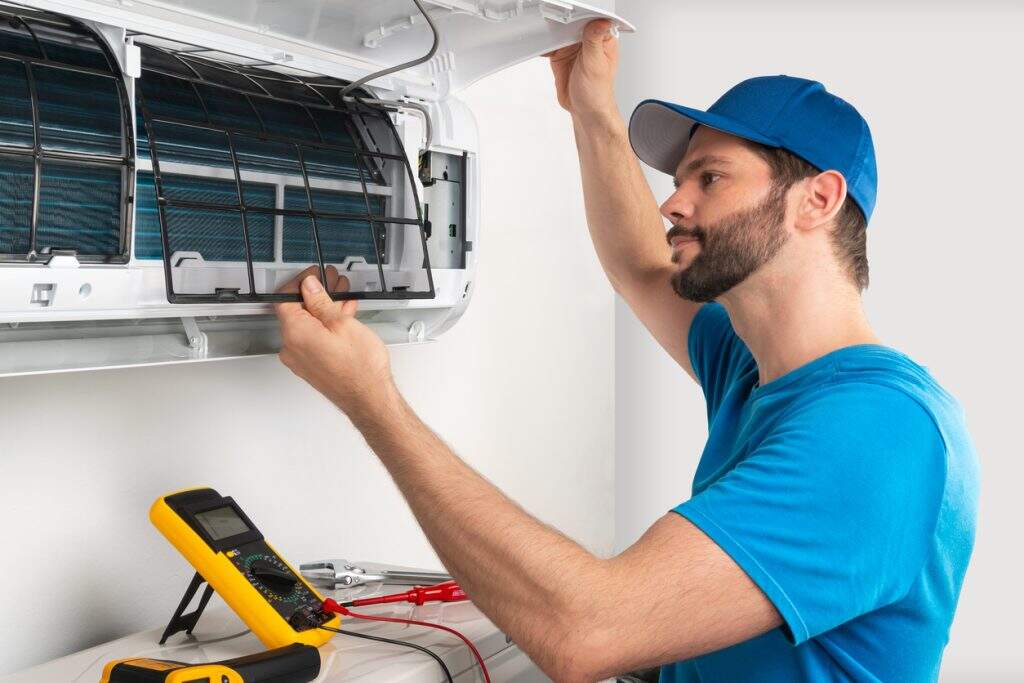
If your AC is blowing warm air and basic fixes like checking the thermostat or replacing the air filter don’t solve the issue, it may be time to seek professional assistance. Problems like refrigerant leaks, electrical faults, or compressor issues require proper tools and expertise to diagnose and repair safely.
A qualified HVAC technician can identify the root cause quickly and ensure your system is restored to efficient working condition.
Conclusion:
When your air conditioner starts blowing warm air, it is more than just an inconvenience — it is a clear sign that something in your system is not working as it should. The good news is that most causes, whether simple or complex, can be identified and resolved with the right approach.
Start with the basics. Check your thermostat settings, inspect and replace your air filter, and make sure your outdoor unit is clean and unobstructed. These small steps can often restore proper cooling quickly. If the issue goes deeper — such as refrigerant leaks, frozen coils, electrical problems, or compressor failure — professional diagnosis is the safest and most effective solution.
The key is acting early. Ignoring warm air problems can put extra strain on your system, increase your energy bills, and lead to more expensive repairs over time. Regular maintenance and timely repairs not only fix current issues but also prevent future breakdowns and keep your AC running efficiently when you need it most.
If you want reliable, long-term comfort, make your cooling system a priority. With proper care and expert support when needed, your AC can deliver consistent, efficient cooling — keeping your home comfortable even during the hottest days.
Visit : homefixservices.us
Home Fix Services — Complete Home Solutions Under One Roof. Licensed, Insured & Ready to Help.


Leave a Reply