
DIY drain cleaning is often the first solution homeowners try when dealing with slow drains, unpleasant odors, or minor clogs. Many people believe that simple home remedies or store-bought tools are enough to solve most drainage problems. However, deciding between DIY drain cleaning vs hiring a plumber is not always straightforward. In this in-depth guide by HomeFixServices, we explain when DIY methods work, when you should hire a plumber, how proper drain maintenance prevents future issues, and which unclog drain tips are safe for long-term plumbing health.
Understanding Drain Clogs and Blockages in Home Plumbing Systems
Drain clogs develop when substances gradually restrict the flow of water inside pipes. These blockages may start small but often worsen over time if ignored. Understanding how clogs form helps homeowners decide whether DIY drain cleaning is sufficient or professional plumbing help is necessary.
Drain systems are designed to carry water and waste efficiently, but they are not built to handle grease buildup, hair accumulation, or foreign objects. Poor drain maintenance increases the risk of repeated blockages and pipe damage.
Common Causes of Drain Blockages in Homes
Most household drain problems are caused by daily activities. In kitchens, grease, oil, and food scraps stick to pipe walls and harden. Bathroom drains commonly clog due to hair, soap scum, and toothpaste residue. Over time, mineral deposits from hard water also narrow pipes. Tree roots, pipe corrosion, and improper installations can cause deeper blockages that DIY drain cleaning cannot resolve.
What Is DIY Drain Cleaning and How Does It Work?
DIY drain cleaning refers to using household solutions, manual tools, or non-professional products to clear minor drain clogs. It is commonly used as a quick fix for slow drains and light blockages and plays an important role in routine drain maintenance.
DIY drain cleaning works best when clogs are close to the drain opening and have not hardened or spread deeper into the plumbing system.
Common DIY Drain Cleaning Methods Used by Homeowners
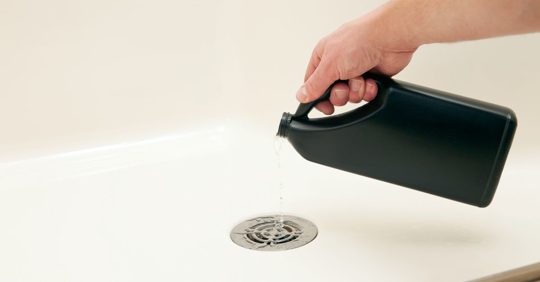
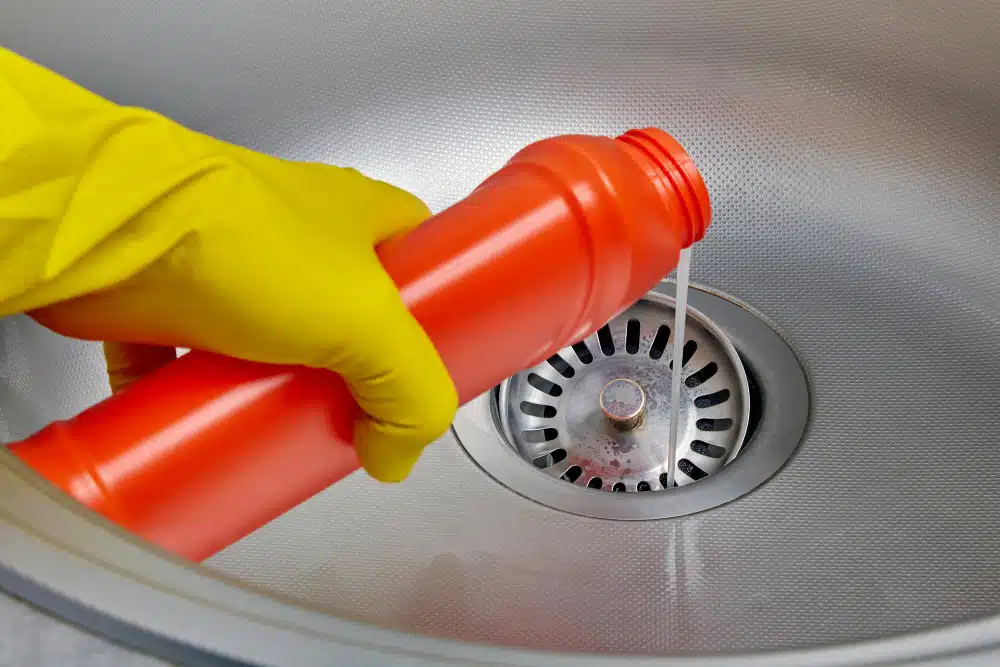
Popular DIY drain cleaning methods include flushing drains with hot water and dish soap to dissolve grease, using baking soda and vinegar to break down organic buildup, plunging sinks or toilets to dislodge surface clogs, and using hand drain snakes to pull out hair or debris. These unclog drain tips are affordable and easy to try but have limitations.
Pros of DIY Drain Cleaning for Minor Clogs
The biggest advantage of DIY drain cleaning is cost savings. Most methods use items already available at home. DIY solutions are also convenient and quick, making them ideal for early-stage clogs. When used regularly, DIY drain cleaning supports preventive drain maintenance.
Cons and Risks of DIY Drain Cleaning Methods
DIY drain cleaning often provides temporary results. Chemical cleaners can damage pipes, especially older plumbing systems. Manual tools may push clogs deeper into pipes, worsening the issue. Repeated DIY attempts without success can delay proper repairs and increase overall damage.
When DIY Drain Cleaning Is Enough for Drain Problems
DIY drain cleaning is effective when dealing with slow drains, minor kitchen sink clogs, light bathroom hair blockages, or routine drain maintenance. If water flow improves quickly and the problem does not return, DIY methods are usually sufficient.
DIY unclog drain tips are best used as early intervention rather than as a solution for serious plumbing problems.
When You Should Hire a Plumber Instead of DIY Drain Cleaning
Some drain problems require professional knowledge and equipment. Hiring a plumber becomes necessary when clogs are deep, recurring, or affect multiple drains. Ignoring these warning signs can lead to pipe damage or sewer line issues.
Signs You Need to Hire a Plumber for Drain Issues
You should hire a plumber if drains clog frequently, water backs up into sinks or bathtubs, foul odors come from drains, or several drains stop working at once. These symptoms usually indicate severe blockages beyond the reach of DIY drain cleaning.
What a Professional Plumber Does to Fix Drain Problems
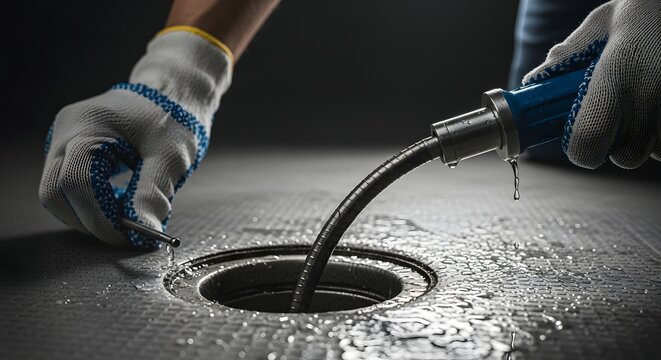
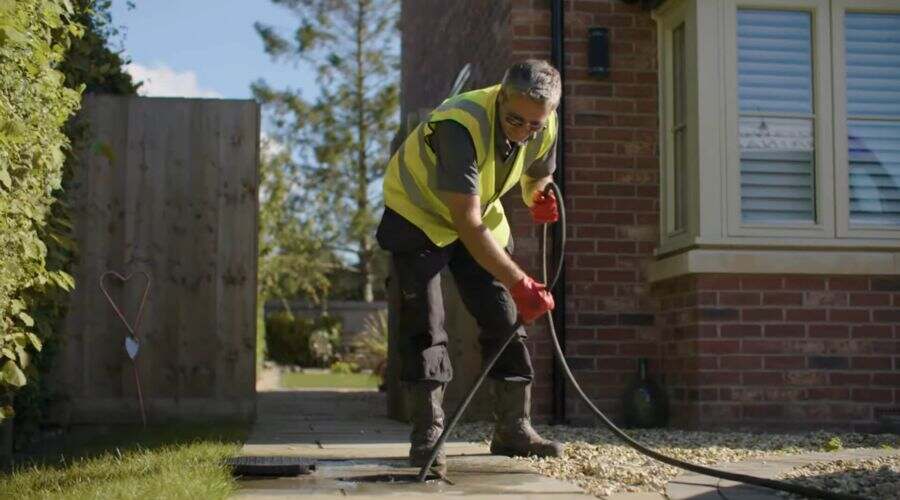
A plumber uses advanced tools such as drain cameras to inspect pipes, hydro jetting to remove stubborn buildup, and professional-grade equipment to clear deep blockages safely. Unlike DIY methods, professional solutions address the root cause of drainage problems and restore long-term pipe health.
DIY Drain Cleaning vs Hiring a Plumber – Detailed Comparison
When comparing DIY drain cleaning vs hiring a plumber, the key differences are effectiveness, safety, and durability. DIY solutions are cheaper and faster for minor issues but lack the power to remove deep or recurring clogs. Hiring a plumber costs more upfront but offers long-lasting results and prevents future damage.
DIY drain cleaning is reactive, while professional plumbing is corrective and preventive.
Cost Comparison: DIY Drain Cleaning vs Hiring a Plumber
DIY drain cleaning typically costs very little, involving household ingredients or inexpensive tools. Hiring a plumber involves higher initial costs but often saves money long term by preventing pipe replacements, water damage, and repeated DIY failures.
Choosing the cheaper option is not always the most cost-effective solution.
Drain Maintenance Tips to Prevent Future Drain Clogs
Proper drain maintenance reduces the need for emergency repairs and professional services. Simple habits such as avoiding grease disposal in sinks, using drain strainers, flushing drains with hot water, and cleaning drains regularly help maintain smooth water flow.
Drain maintenance is the most effective long-term strategy for avoiding both DIY failures and costly plumbing services.
Best Unclog Drain Tips for Homeowners
Act quickly when drains slow down, use safe DIY drain cleaning methods first, avoid harsh chemicals, and stop DIY attempts if results are not improving. Knowing when to hire a plumber is one of the most important unclog drain tips for protecting your plumbing system.
Which Option Is Right for You: DIY Drain Cleaning or Hire a Plumber?
If the clog is minor, isolated, and occasional, DIY drain cleaning is usually sufficient. If the problem is recurring, affects multiple drains, or causes backups, hiring a plumber is the smarter and safer choice. Homeowners should base their decision on severity, risk, and long-term effectiveness.
Final Verdict: DIY Drain Cleaning vs Hiring a Plumber
DIY drain cleaning is ideal for minor clogs and regular drain maintenance, while hiring a plumber is essential for serious or persistent drainage issues. Using the right solution at the right time protects your pipes, saves money, and ensures long-term plumbing efficiency.
For reliable plumbing insights and homeowner guidance, trust Home Fix Services

Leave a Reply