
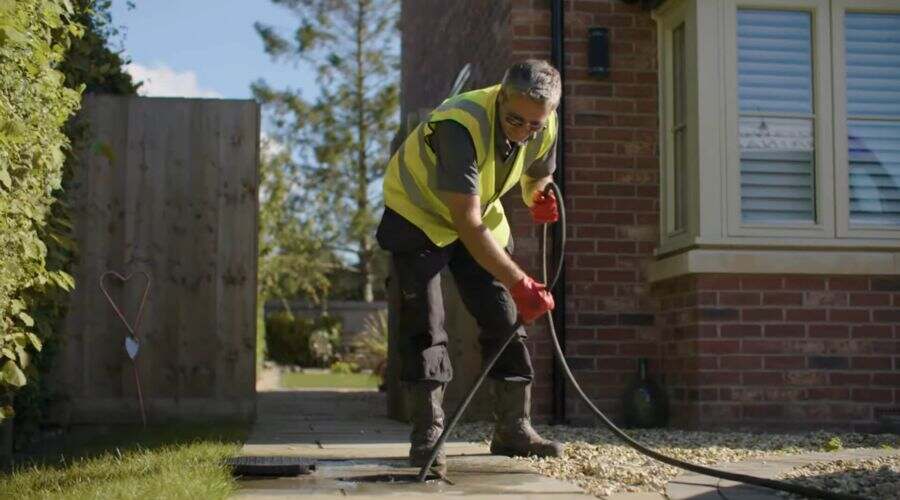

Understanding emergency drain cleaning is essential when plumbing problems strike without warning. A clogged drain emergency requires immediate action, and fast plumber help can prevent severe water damage and costly repairs. Acting quickly during urgent plumbing situations protects your property and keeps small issues from escalating.
When drains back up, overflow, or emit foul odors, it’s more than an inconvenience—it’s a true plumbing emergency. Delaying emergency drain cleaning increases health risks and structural damage. Knowing when to call for professional plumber help ensures the problem is handled safely and efficiently.
This guide explains the warning signs, immediate steps, and proven solutions for any clogged drain emergency, helping homeowners respond fast and avoid long-term plumbing damage.
What Qualifies as a Drain Cleaning Emergency
Not every slow drain or minor clog requires immediate action, but certain situations clearly qualify as an emergency. Recognizing these early helps prevent serious damage, health hazards, and expensive repairs.
Definition of a drain emergency
A drain emergency occurs when water cannot flow freely through your plumbing system, causing backups, overflows, or foul odors that pose a risk to your home or health. This can include anything from a completely blocked sink to a main sewer line overflow affecting multiple fixtures.
Difference between minor clogs and urgent blockages
- Minor clogs: These typically affect a single fixture, drain slowly, and can often be fixed with a plunger, mild DIY methods, or natural cleaners.
- Urgent blockages: These affect multiple drains, cause water to back up, or involve raw sewage. They require immediate intervention to prevent flooding, property damage, and potential health risks.
Why fast response is critical
Even a small clog can quickly escalate into a serious problem if left unaddressed. Water can seep into floors, walls, and ceilings, causing structural damage and mold growth. Sewage backups can expose you to harmful bacteria and viruses, making timely action essential.
Situations that typically qualify as emergencies
- Multiple fixtures draining slowly or simultaneously backing up
- Sewage or gray water overflowing into your home
- Unusual gurgling sounds or persistent foul odors
- Complete stoppage of water in sinks, tubs, or toilets
Common Causes Behind Sudden Drain Blockages
Emergency drain problems rarely happen without warning. In most cases, a clog builds up over time and suddenly reaches a breaking point. Understanding what causes these blockages helps you respond correctly and avoid repeat emergencies.
Grease and food waste buildup
Kitchen drains are especially vulnerable. Cooking oil, grease, and food scraps may seem harmless when washed down the sink, but they harden inside pipes. Over time, this sticky residue traps debris and restricts water flow, leading to sudden backups.
Hair, soap scum, and personal care products
Bathroom drains often clog due to hair combined with soap residue. Soap scum binds hair together, forming dense clumps that block pipes. Products like wipes, cotton swabs, and hygiene items worsen the problem because they don’t break down in water.
Foreign objects in the drain
Small items such as toys, bottle caps, or excessive paper products can accidentally enter drains. These objects create instant obstructions and often cause complete blockages that require urgent attention.
Tree root intrusion in sewer lines
Outdoor and main sewer drains are frequently affected by tree roots. Roots naturally seek moisture and enter pipes through tiny cracks. Once inside, they expand and trap waste, causing severe and recurring drain emergencies.
Mineral buildup and aging pipes
In older plumbing systems, minerals from hard water accumulate along pipe walls. This narrows the pipe diameter and slows drainage. Over time, even normal water use can trigger a sudden clog.
Residential vs. commercial drain issues
Homes usually experience clogs from daily household waste, while commercial properties face heavier usage. Restaurants, salons, and offices deal with grease, chemicals, and high-volume flow, increasing the risk of emergency blockages.
By identifying the root cause early, you can choose the right cleaning method and know when professional emergency drain cleaning is necessary.
Warning Signs You Should Never Ignore
Drain emergencies rarely happen without notice. Your plumbing system often gives clear signals before a full blockage occurs. Recognizing these early warning signs can help you take action before the situation turns into a costly emergency.
Slow drainage across multiple fixtures
If water drains slowly from sinks, showers, or tubs, it often points to a developing blockage. When more than one fixture is affected, the issue may be in the main drain line rather than a single pipe.
Gurgling or bubbling sounds
Unusual noises coming from drains or toilets are a red flag. Gurgling sounds occur when trapped air struggles to escape through blocked pipes. This is often an early indicator of a serious clog forming deeper in the system.
Foul or sewage-like odors
Persistent bad smells from drains signal trapped waste or standing water. Sewer odors may indicate a blockage preventing proper ventilation or waste flow, which can quickly escalate into a health hazard.
Water backing up or overflowing
Water backing up into sinks, tubs, floor drains, or toilets is a clear emergency sign. This means the pipe is fully or nearly blocked and cannot handle normal water flow. Immediate action is required to prevent flooding and property damage.
Frequent or recurring clogs
If clogs keep returning despite basic cleaning, the underlying issue is likely unresolved. Recurring blockages often point to deeper problems such as pipe damage, root intrusion, or heavy buildup.
Ignoring these warning signs allows pressure and waste to build inside the pipes. Acting early can prevent major damage and reduce the need for extensive emergency drain cleaning services.
Immediate Actions to Take During a Drain Emergency
When a drain emergency occurs, quick and calm action can limit damage and protect your home. The steps you take in the first few minutes often determine how serious the situation becomes.
Stop using all water immediately
Turn off faucets, showers, washing machines, and dishwashers. Continued water use adds pressure to blocked pipes and can cause backups to overflow into sinks, tubs, or floors. Reducing flow helps prevent flooding and sewage exposure.
Shut off nearby water sources if needed
If water is already backing up, shut off the local supply valve or the main water valve. This step is critical when toilets overflow or floor drains fill rapidly.
Locate the drain cleanout access
Most homes have a cleanout pipe located in the basement, crawl space, garage, or outside near the foundation. Opening the cleanout can relieve pressure and may allow trapped water to drain safely, reducing the risk of indoor flooding.
Assess the severity of the blockage
Check whether one fixture or multiple drains are affected. A single clogged sink may be manageable, but widespread backups usually indicate a main drain or sewer line issue that requires professional help.
Protect yourself and the surrounding area
Wear gloves and avoid direct contact with standing water, especially if it contains waste. Place towels or buckets to control spills and keep children and pets away from the affected area.
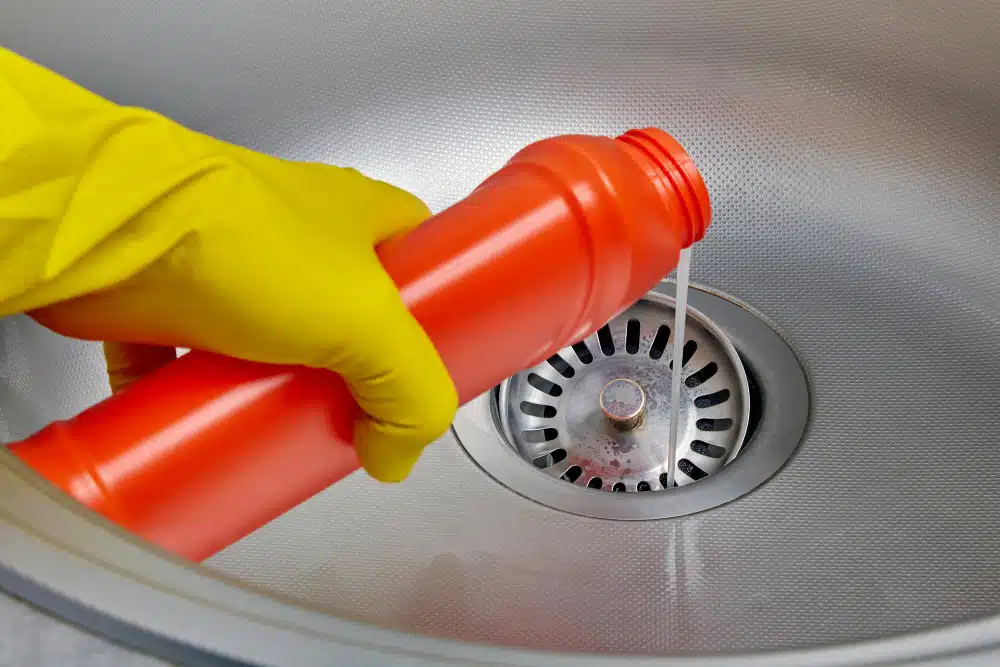
Avoid harsh chemical drain cleaners
Chemical cleaners can damage pipes and worsen blockages, especially during emergencies. They also pose health risks if water backs up suddenly.
Taking these immediate steps helps stabilize the situation and prevents further damage. Once the emergency is under control, you can decide whether safe DIY methods are appropriate or if professional emergency drain cleaning is necessary.
Effective DIY Methods for Emergency Drain Relief
Some drain emergencies can be managed safely with the right DIY approach. These methods are best for minor to moderate blockages and should be attempted only when there is no active overflow or sewage backup.
Use a plunger the right way
A plunger is one of the fastest tools for emergency drain relief. Ensure there is enough water to cover the plunger cup, then create a tight seal over the drain. Push and pull firmly in short, controlled motions. The pressure helps loosen and dislodge the blockage rather than forcing it deeper into the pipe.
Clear clogs with a drain snake or auger
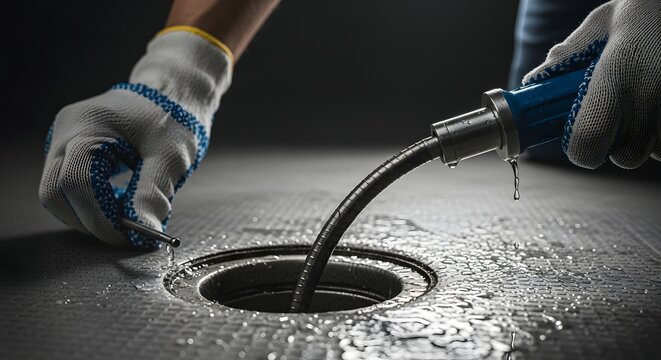
A drain snake works well for hair, soap scum, and small debris. Insert the snake slowly into the drain and rotate it to hook or break apart the clog. Pull it out carefully and dispose of debris properly. Avoid excessive force, as this can damage older or fragile pipes.
Try natural drain cleaning solutions
For grease or organic buildup, natural methods can help. Pour baking soda followed by vinegar into the drain and allow it to fizz for 15 to 30 minutes. Flush with hot water to help break down residue. This method is safer for pipes and the environment but may not work for severe blockages.
Flush with hot water when appropriate
Hot water can help dissolve grease-based clogs in kitchen drains. Pour it slowly and steadily to avoid splashing. Do not use boiling water on PVC pipes, as extreme heat may cause damage.
Know when to stop DIY attempts
If the clog doesn’t improve after a few attempts, stop immediately. Repeated plunging or snaking can worsen the blockage or cause pipe damage. Strong resistance, recurring backups, or sewage odors are signs that professional emergency drain cleaning is needed.
DIY methods can provide quick relief in the early stages of a drain emergency. Using them correctly reduces risk and buys time until a permanent solution is applied.
Professional Emergency Drain Cleaning Solutions
When a drain blockage is severe, recurring, or affecting multiple fixtures, professional intervention becomes essential. Emergency plumbers use advanced tools and proven methods that restore flow quickly and prevent further damage.
Mechanical snaking and power augering
Professionals use heavy-duty drain snakes and power augers to break through tough clogs. These tools reach deeper into pipes than standard household snakes. They are effective for compacted debris, grease buildup, and solid obstructions that DIY tools cannot handle.
Hydro jetting for deep and stubborn blockages
Hydro jetting uses high-pressure water to clean the inside of pipes thoroughly. It removes grease, sludge, mineral deposits, and even tree roots. This method not only clears the blockage but also restores pipe diameter, reducing the chance of future emergencies.
Drain camera inspection for accurate diagnosis
A camera inspection allows plumbers to see inside the drain system in real time. It helps pinpoint the exact location and cause of the blockage. This prevents unnecessary digging and ensures the right solution is applied the first time.
Main sewer line clearing
When backups affect multiple drains or cause sewage to surface, the issue is often in the main sewer line. Professionals are equipped to clear these lines safely and efficiently, minimizing health risks and property damage.
24/7 emergency response services
Emergency drain cleaning services are available around the clock. Rapid response reduces water damage, mold growth, and structural issues. Immediate professional action is especially critical during severe backups or flooding.
Professional emergency drain cleaning provides long-term results and peace of mind. It addresses the root cause of the problem and protects your plumbing system from further emergencies.
When It’s Time to Call an Emergency Plumber
Not every drain issue can or should be handled on your own. Knowing when to stop DIY efforts and call an emergency plumber can prevent serious damage, health risks, and expensive repairs.
DIY methods are no longer working
If plunging, snaking, or natural cleaners fail to improve drainage, the blockage is likely deep or severe. Repeated attempts can push debris further into the system and make the problem worse.
Multiple drains are backing up at once
When sinks, toilets, and floor drains back up simultaneously, it usually signals a main drain or sewer line blockage. This is a true emergency that requires professional equipment and expertise.
Sewage is backing up or overflowing
Raw sewage exposure poses serious health risks. If wastewater is coming back into your home, stop all water use and contact an emergency plumber immediately. This situation should never be handled without professional help.
Recurring clogs keep returning
Frequent blockages indicate an underlying issue such as pipe damage, heavy buildup, or tree root intrusion. A licensed plumber can identify and fix the root cause instead of providing temporary relief.
You hear unusual noises or smell strong odors
Persistent gurgling sounds or sewer smells suggest trapped air or waste in the system. These signs often point to deeper problems that require expert diagnosis.
Choosing the right emergency plumbing service
Look for licensed, insured plumbers who offer 24/7 emergency services. Transparent pricing, clear communication, and experience with emergency drain cleaning are key factors when selecting the right professional.
Calling an emergency plumber at the right time protects your property and ensures the problem is resolved safely and effectively.
Preventing Future Drain Emergencies
Preventing drain emergencies is easier and far less costly than dealing with sudden backups. Simple habits and proactive maintenance can keep your plumbing system flowing smoothly year-round.
Adopt smart daily drain habits
Avoid pouring grease, oil, or food scraps down kitchen drains. Use sink strainers to catch debris and hair before it enters the pipes. In bathrooms, dispose of wipes, cotton products, and hygiene items in the trash, even if they are labeled flushable.
Practice proper grease and waste disposal
Grease should be collected in a container and discarded once cooled. Coffee grounds, eggshells, and starchy foods should never go down the drain, as they contribute to buildup and blockages.
Schedule routine professional drain maintenance
Regular drain inspections and cleanings help remove buildup before it becomes a problem. Professional maintenance is especially important for older plumbing systems or homes with a history of frequent clogs.
Manage tree roots and outdoor drainage
Tree roots near sewer lines should be monitored and trimmed when necessary. If root intrusion is a recurring issue, a plumber may recommend root barriers or specialized treatments to protect underground pipes.
Install protective plumbing devices
Backwater valves prevent sewage from flowing back into your home during heavy rain or sewer surcharges. These devices are highly effective in reducing the risk of emergency backups.
Use eco-friendly drain care methods
Periodic flushing with hot water and natural cleaning solutions helps maintain clear pipes without damaging them. Avoid harsh chemical cleaners that weaken pipes over time.
Consistent prevention reduces stress on your plumbing system and significantly lowers the risk of unexpected drain emergencies.
Cost, Safety, and Environmental Considerations
When dealing with emergency drain cleaning, it’s important to understand not only the immediate solutions but also the financial, safety, and environmental factors involved. Being informed helps you make smarter decisions and avoid further problems.
Factors affecting the cost of emergency drain cleaning
The price of professional drain services varies depending on several key factors:
- Severity of the blockage: Deeper or more stubborn clogs require more time and specialized equipment.
- Type of service: Simple snaking costs less than hydro jetting or main sewer line clearing.
- Time of service: Emergency or after-hours service typically comes with additional fees.
- Location and accessibility: Hard-to-reach pipes or older plumbing may increase labor costs.
Transparent pricing and service guarantees
Reputable plumbing companies provide upfront estimates and clear explanations of costs. Service guarantees ensure that if the problem persists shortly after the cleaning, it will be addressed without extra charges, giving you peace of mind.
Health and safety risks
Standing water and raw sewage can expose you to bacteria, viruses, and harmful chemicals. Chemical drain cleaners can cause burns, respiratory issues, and pipe damage. Wearing protective gear and avoiding direct contact with wastewater is essential, especially during DIY attempts.
Environmental impact of drain cleaning methods
Many chemical cleaners are toxic to the environment and can harm soil and water systems. Professional plumbers often use eco-friendly techniques like mechanical snaking, hydro jetting, or natural enzymatic cleaners, which clear pipes safely without introducing hazardous chemicals.
Planning ahead to reduce emergency costs
Regular maintenance, careful waste disposal, and early attention to warning signs help prevent major blockages. Investing in preventive care reduces the frequency of emergencies and lowers long-term repair costs.
Understanding these considerations ensures that emergency drain cleaning is handled safely, efficiently, and responsibly, protecting both your home and the environment.
Conclusion
Emergency drain problems can happen suddenly, but knowing the warning signs, immediate actions, and effective solutions makes all the difference. Acting quickly, using safe DIY methods when appropriate, and calling professional plumbers for serious blockages can prevent costly damage and health risks. Regular maintenance and smart habits also reduce the chances of future emergencies. By following these tips and relying on expert services when needed, you can keep your drains flowing smoothly and your home safe.
For reliable guidance and professional emergency drain cleaning services, trust Home Fix Services to handle any blockage quickly and efficiently.

Leave a Reply