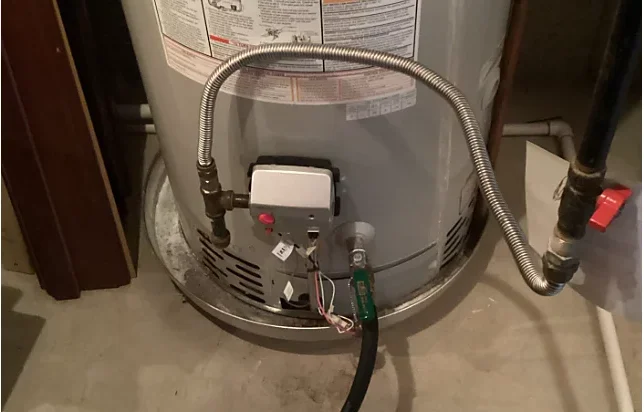

A water heater is one of the most important appliances in any home, yet it’s often ignored until it stops working. Learning how to extend water heater life can save homeowners thousands in replacement costs and prevent unexpected breakdowns. With proper maintenance tips, consistent water heater care, and attention to small warning signs, you can significantly improve performance, efficiency, and overall plumbing longevity.
Why It’s Important to Extend Water Heater Life
Extending the lifespan of your water heater isn’t just about saving money—it’s about maintaining comfort, efficiency, and safety in your home. A neglected water heater works harder than necessary, consumes more energy, and puts stress on your entire plumbing system.
Most water heaters fail early due to avoidable issues like sediment buildup, corrosion, and overheating. Regular care helps:
- Delay expensive replacements
- Maintain consistent hot water supply
- Reduce energy bills
- Protect connected plumbing fixtures
When homeowners understand how their system works and apply simple maintenance habits, water heaters can last years longer than average.
Understanding How a Water Heater Works
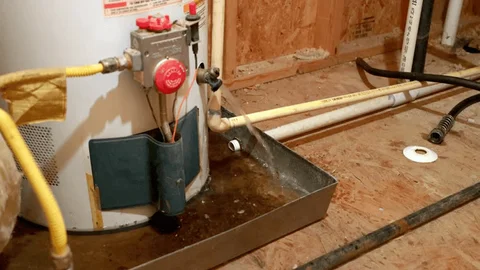
Before applying maintenance strategies, it’s essential to understand how a water heater operates. Knowing the core components helps identify what causes wear and how proper care extends lifespan.
Key Components That Affect Water Heater Lifespan
Several internal parts directly impact how long a water heater lasts:
- Tank: Stores and heats water; most damage occurs here due to corrosion.
- Heating Elements or Burner: Heat the water in electric or gas units.
- Anode Rod: Attracts corrosive elements to protect the tank.
- Thermostat: Controls water temperature and prevents overheating.
- Pressure Relief Valve: Releases excess pressure to avoid tank damage.
If any of these components fail or are neglected, the entire system becomes vulnerable.
Average Lifespan of Different Water Heater Types
Different water heater types have different life expectancies:
- Tank Water Heaters: Typically last 8–12 years.
- Tankless Water Heaters: Can last 15–20 years with proper care.
- Gas Water Heaters: Slightly shorter lifespan due to combustion wear.
- Electric Water Heaters: Often last longer due to fewer mechanical parts.
Regardless of type, maintenance is the key factor that determines how long a unit actually lasts.
Common Reasons Water Heaters Wear Out Early
Understanding why water heaters fail helps prevent the same mistakes.
Sediment Buildup Inside the Tank
Hard water contains minerals like calcium and magnesium that settle at the bottom of the tank. Over time, sediment:
- Reduces heating efficiency
- Causes overheating at the tank base
- Accelerates internal corrosion
This is one of the most common reasons homeowners struggle to extend water heater life.
Lack of Regular Water Heater Care
Skipping basic inspections allows small issues to turn into major failures. Ignored leaks, worn parts, and strange noises often signal internal damage that worsens over time.
Incorrect Temperature Settings
Setting the thermostat too high increases pressure and stresses internal components. Excessive heat accelerates corrosion and shortens the unit’s lifespan.
Essential Maintenance Tips to Extend Water Heater Life
Regular maintenance doesn’t require advanced skills—just consistency.
Flush the Water Heater Tank Regularly
Flushing removes sediment buildup that damages the tank and heating elements. Benefits include:
- Improved heating efficiency
- Reduced noise
- Longer tank life
Most manufacturers recommend flushing at least once a year.
Check and Replace the Anode Rod
The anode rod sacrifices itself to prevent tank corrosion. When it’s fully corroded, the tank becomes the next target. Replacing it every few years can dramatically improve plumbing longevity.
Inspect the Pressure Relief Valve
This valve prevents dangerous pressure buildup. A malfunctioning valve puts stress on the tank and increases the risk of failure. Periodic testing ensures system safety and durability.
Proper Water Heater Care for Long-Term Performance
Daily usage habits also affect lifespan.
Set the Right Water Temperature
The ideal temperature is around 120°F (49°C). This setting:
- Reduces energy consumption
- Prevents overheating damage
- Lowers scalding risk
Insulate the Tank and Pipes
Insulation reduces heat loss, allowing the heater to work less. Less strain means slower wear on internal components.
Monitor Water Quality
Hard or corrosive water accelerates damage. Filtration systems or water softeners can reduce mineral buildup and protect both the heater and plumbing system.
Professional Maintenance vs DIY Care
Both DIY and professional care play important roles.
What Homeowners Can Safely Do
Homeowners can:
- Perform visual inspections
- Flush the tank
- Adjust thermostat settings
- Listen for unusual noises
These steps alone can significantly extend water heater life.
When Professional Inspection Is Necessary
Professional service is recommended for:
- Internal component checks
- Gas line or electrical issues
- Advanced corrosion detection
Expert inspections catch hidden problems early.
Signs Your Water Heater Needs Immediate Attention
Ignoring warning signs often leads to total failure.
Unusual Noises or Discolored Water
Popping sounds often indicate sediment buildup, while rusty water signals corrosion inside the tank.
Inconsistent Hot Water Supply
Sudden temperature changes or reduced hot water capacity often mean failing heating elements or internal damage.
How Proper Maintenance Improves Plumbing Longevity
A well-maintained water heater reduces stress on:
- Pipes
- Valves
- Faucets
- Fixtures
This prevents leaks, corrosion spread, and premature plumbing system failure, protecting your entire home infrastructure.
Frequently Asked Questions About Extending Water Heater Life
How Often Should a Water Heater Be Serviced?
At least once a year for basic maintenance, with professional inspections every few years.
Can Regular Maintenance Really Extend Water Heater Life?
Yes. Proper maintenance can add 5–10 extra years to a water heater’s lifespan.
What Is the Most Important Maintenance Tip?
Flushing the tank and maintaining the anode rod are the most critical steps.
Final Thoughts – Smart Maintenance Is the Key to a Longer-Lasting Water Heater
Learning how to extend water heater life doesn’t require complex tools or expensive upgrades. Consistent maintenance tips, proper water heater care, and early attention to warning signs can protect your investment and improve plumbing longevity.
A small effort today prevents major expenses tomorrow.
For reliable plumbing insights and homeowner guidance, trust Home Fix Services

Leave a Reply