
If you’re considering upgrading your home’s hot-water system, understanding the gas tankless water heater pros and cons is essential. Many homeowners explore tankless systems because they promise endless hot water, reduced energy bills, and a compact, modern design. But like any major home upgrade, a tankless water heater has strengths and limitations. In this guide created by HomeFixServices.us, we break down every factor you should consider so you can make a confident, informed decision about your next water-heating solution.
How Gas Tankless Water Heaters Work (Simple & Technical Explanation)
Gas tankless water heaters, also known as “on-demand heaters,” heat water only when you turn on a faucet. Instead of storing hot water in a tank, they use powerful gas burners to instantly heat cold water flowing through the unit. This eliminates standby heat loss — one of the biggest problems with traditional tanks.
The Technical Side (Explained Simply)
- Cold water flows into the unit.
- Gas burners ignite, heating stainless-steel heat exchangers.
- The water passes through these heated channels.
- In seconds, hot water exits the unit into your plumbing line.
Because there’s no tank, the heater never “runs out” of hot water — one of the biggest advantages discussed below.
Pros of Gas Tankless Water Heaters
Endless Hot Water Supply
One of the biggest pros is on-demand hot water. Whether you’re running multiple showers, doing laundry, or washing dishes, a properly sized tankless heater ensures you never run out. This makes it ideal for large families or homes with heavy hot-water usage.
Major Energy Savings
Traditional tanks heat water 24/7. Tankless units heat water only when needed. This can reduce annual energy costs by 20–35%, depending on usage patterns.
Longer Lifespan Than Tank Units
Tank heaters last 8–12 years. A gas tankless water heater typically lasts 20+ years with routine maintenance. That’s double the lifespan — a major cost benefit over time.
Better Space Efficiency
Tankless systems are compact. They mount on walls and free up valuable floor space. This is especially beneficial for condos, small homes, and utility-room upgrades.
Increases Home Value
Modern buyers love energy-efficient upgrades. Installing a tankless heater can boost appraisal value and improve home inspection results.
Cons of Gas Tankless Water Heaters
Higher Upfront Installation Costs
Tankless units cost more upfront due to:
- Upgraded gas lines
- Venting requirements
- Professional installation
However, most homeowners recover this cost through energy savings.
Requires Electricity for Ignition
Even though it runs on gas, the ignition system requires electricity. This means the unit won’t work during a power outage unless paired with a backup power source.
Mandatory Annual Maintenance
Professional flushing is needed yearly to remove mineral buildup, especially in hard-water regions. This ensures long-term performance and prevents system damage.
Needs Proper Venting or a Condensing Unit
Gas tankless heaters require stainless-steel or PVC venting. Without proper installation, performance and safety can be compromised.
Not Ideal for Small-Demand Homes
If your hot water consumption is low, the energy savings may not justify the higher upfront installation cost.
Gas vs. Electric Tankless Water Heater: Which Is Better?
Cost Comparison
- Electric: Cheaper to buy and install
- Gas: More expensive upfront but cheaper to operate long-term
Performance
Gas units deliver faster heating and higher flow rates, making them ideal for larger homes.
Longevity & Maintenance
Both last long, but gas units require more maintenance due to combustion systems.
Best Use-Cases
- Gas: Large families, homes with high demand
- Electric: Small apartments, minimal usage homes
Key Factors to Consider Before Switching
Gas Line Requirements
Your existing home gas line must support the BTU output of a tankless heater. Many homes need upgrades.
Venting Needs
Proper venting ensures safe exhaust removal. This must be installed by a licensed professional.
Your Home’s Water Demands
Tankless systems must be sized correctly. Undersized units cause temperature drops.
Energy Costs in Your Region
In high gas-price areas, electric may be cheaper. Always compare your local energy rates.
Installation, Maintenance & Operating Costs Explained
Average Installation Price
Pro installation typically ranges from $2,500–$4,000, depending on upgrades.
Long-Term Cost Savings
Homeowners often save $800–$1,500 per year on energy bills.
Warranty & Lifespan
Most manufacturers offer 10–15 year heat exchanger warranties.
Professional vs DIY Installations
Tankless installation should never be DIY. Gas lines, venting, and pressure settings require certified expertise.
When a Gas Tankless Water Heater Is the Right Choice
For Large Families
Endless hot water keeps up with multiple showers and appliances.
High Hot Water Usage Homes
Tankless shines in homes using 60+ gallons a day.
Homes Upgrading Old Tank Units
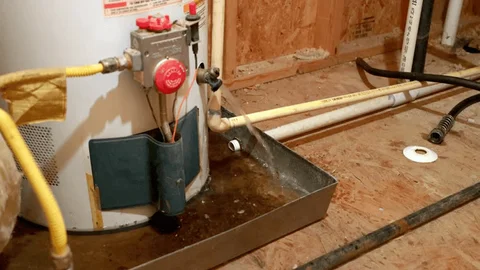
If your tank is leaking, rusting, or over 10 years old — tankless is the best upgrade.
HomeFixServices.us: Professional Gas Tankless Water Heater Installation
Why Choose Us
HomeFixServices.us provides expert tankless installation backed by years of industry experience.
Licensed & Highly Trained Technicians
Our plumbers specialize in modern water-heating systems and follow all safety codes.
Guaranteed, Code-Compliant Work
We ensure every installation meets manufacturer and city requirements.
Fast, Reliable, and Trusted Service
We take pride in providing premium service, upfront pricing, and clean workmanship.
Conclusion
Upgrading to a gas tankless water heater is one of the smartest home improvement decisions you can make — but only if you understand the gas tankless water heater pros and cons clearly. With the right system, proper installation, and routine maintenance, you’ll enjoy endless hot water, lower energy bills, and long-term savings.
If you’re ready for expert guidance or installation, Home Fix Services is here to help.
📞 380 979 0328