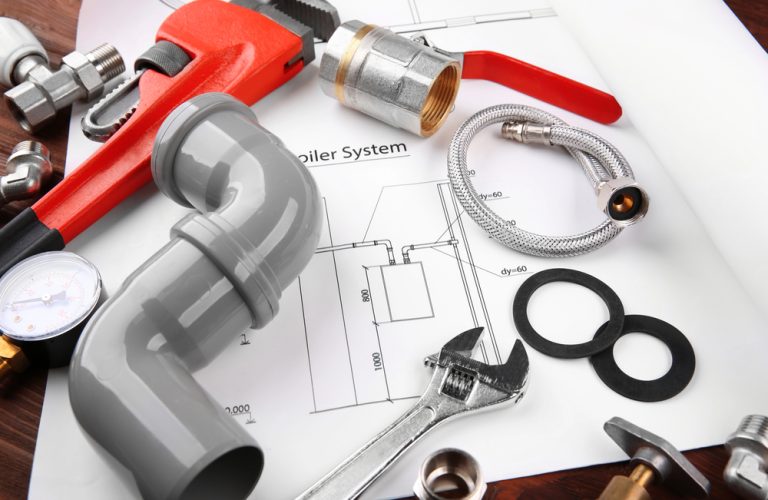

A well-functioning plumbing system is essential for any home, and when pipes start failing or causing repeated problems, it might be time to consider home repiping. Home repiping is the process of replacing old or damaged pipes with new, durable materials to ensure your plumbing system operates efficiently and safely. Whether your home has frequent leaks, low water pressure, or rusty water, understanding home repiping can save you from costly repairs in the future. In this guide, we will cover everything you need to know about home repiping, signs that indicate it’s time for a replacement, choosing the right materials, cost considerations, and what to expect during the repiping process. At Home Fix Services, we provide professional repiping services that guarantee reliability and long-lasting results. Contact us at 380 979 0328 for expert assistance.
More About Repiping for the Home
Home repiping is not just about replacing old pipes; it’s about improving water quality, efficiency, and overall plumbing reliability. Over time, pipes can corrode, rust, or develop leaks, which not only reduces water flow but can also compromise the safety of your drinking water. Repiping is especially important in older homes where outdated materials like galvanized steel or polybutylene are prone to failure.
Repiping also ensures your plumbing system can handle modern water demands, such as multiple appliances running simultaneously, showers, washing machines, and dishwashers. By replacing aging or faulty pipes, you minimize the risk of sudden plumbing failures that can cause significant water damage and expensive repairs.
Signs You Need Repiping for Your Home
Recognizing the early signs that indicate a need for home repiping can prevent major plumbing disasters. Here are some common indicators:
1. Frequent Leaks
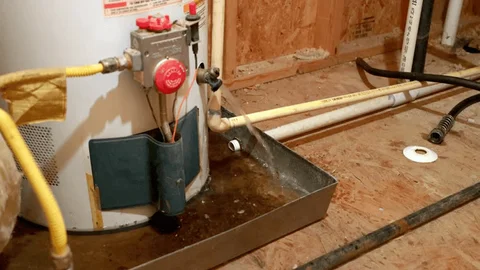
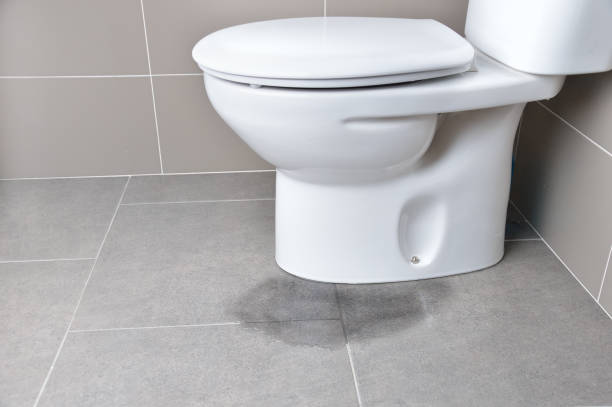
If you find yourself calling a plumber repeatedly to fix leaking pipes, it may be time for a full repiping. Leaks often indicate corroded or weakened pipes that can fail completely in the near future.
2. Low Water Pressure
Older pipes can accumulate mineral deposits or develop blockages that restrict water flow. Consistently low water pressure throughout the home can signal the need for repiping.
3. Rusty or Discolored Water
If your water appears brown or reddish, it’s often a sign of corroded steel pipes. This not only affects water quality but can also damage appliances and fixtures over time.
4. Multiple Pipe Materials in One System
A home with a mix of outdated and modern piping may have inconsistent water quality and varying pipe durability. Repiping ensures a uniform system with reliable performance.
5. Frequent Plumbing Repairs
Homes that require continuous plumbing repairs, such as burst pipes, clogged lines, or leaking joints, can benefit from a complete repiping to eliminate ongoing issues.
Choosing the Right Materials for Repiping
Selecting the right material for home repiping is critical to ensure long-term durability, cost-effectiveness, and safety. Here are the most common materials used:
1. Copper Pipes
Copper is one of the most durable and reliable options for plumbing. It is resistant to corrosion, can withstand high temperatures, and offers long-lasting performance. However, copper can be more expensive than alternatives and may require professional installation.
2. PEX Pipes
PEX (cross-linked polyethylene) is a flexible, plastic piping material that has grown popular for residential repiping. It is resistant to scale buildup, easy to install, and generally more affordable than copper. PEX is also less prone to bursting in freezing conditions.
3. CPVC Pipes
Chlorinated polyvinyl chloride (CPVC) is a rigid plastic pipe suitable for hot and cold water supply. It is cost-effective and easier to install than copper, but it may not be as durable in extreme temperatures.
When deciding which material is best for your home, consider your budget, water quality, local plumbing codes, and the expected lifespan of the pipes.
Cost Considerations for Home Repiping
The cost of home repiping depends on several factors. Understanding these factors will help you plan your budget and avoid unexpected expenses:
1. Size of the Home
Larger homes require more piping, labor, and time, which increases the overall cost.
2. Type of Pipe Material
Copper is generally more expensive than PEX or CPVC, but it offers longer lifespan and reliability. PEX is a budget-friendly alternative with excellent performance.
3. Labor Costs
Professional installation is crucial for repiping, especially in complex systems. Labor costs can vary depending on the plumbing company and the difficulty of installation.
4. Accessibility
Homes with difficult-to-reach plumbing or multiple stories may require additional labor and equipment, increasing costs.
5. Additional Repairs
Sometimes repiping uncovers hidden issues, such as water damage behind walls or in ceilings. Addressing these problems adds to the total cost but ensures a complete solution.
What to Expect During the Repiping Process
Professional home repiping involves a series of steps to ensure your plumbing system is fully updated and reliable. Here’s what typically happens:
1. Inspection and Assessment
The plumber will inspect your existing plumbing system, check for damage or corrosion, and determine the best approach for repiping. They will assess which sections of piping need replacement and which can be retained.
2. Material Selection
Based on your home’s needs, budget, and local codes, the plumber will recommend the best piping material, whether copper, PEX, or CPVC.
3. Pipe Replacement Installation
The old pipes are carefully removed, and new pipes are installed throughout your home. This process requires precision to prevent leaks and ensure proper water flow.
4. Testing and Quality Check
Once the new piping is in place, the plumber tests the entire system for leaks, water pressure, and flow. Any adjustments are made to ensure optimal performance.
5. Cleanup and Final Inspection
The plumbing team cleans up any debris and conducts a final inspection to confirm everything meets quality and safety standards.
Reliable Help for Your Repiping Needs
Hiring a certified and experienced plumbing company like Home Fix Services ensures your home repiping is performed efficiently and professionally. Here’s why you should choose us:
-
Expertise: Our team is trained in the latest plumbing techniques and materials.
-
Reliability: We guarantee our work to prevent future plumbing issues.
-
High-Quality Materials: We use durable, certified piping materials suitable for your home.
-
Transparent Pricing: No hidden fees—just honest estimates and professional service.
-
Emergency Services: We handle urgent plumbing needs promptly and efficiently.
When your home needs a complete plumbing upgrade, trust Home Fix Services to deliver a reliable solution. We specialize in home repiping, pipe repair, and complete plumbing maintenance. Ensure your home’s plumbing is safe, efficient, and long-lasting by contacting us today at Home Fix Services.
Conclusion
Home repiping is a critical investment in the safety, efficiency, and longevity of your home’s plumbing system. By recognizing the signs of deteriorating pipes, choosing the right materials, understanding cost considerations, and hiring professional help, you can avoid costly repairs and water damage in the future. Regular inspections and professional repiping ensure a reliable water supply, improved water quality, and peace of mind for homeowners.
Whether you’re dealing with leaks, low water pressure, or old corroded pipes, Home Fix Services provides expert home repiping solutions tailored to your needs. Don’t wait for a plumbing emergency—upgrade your home today and enjoy worry-free water systems for years to come.
📞 Contact Home Fix Services

Leave a Reply