
Problems with hot water not heating properly don’t usually happen all at once. They start small—a sudden change in temperature, a weird sound, or a tap that doesn’t flow well. Most homeowners ignore these water heater issues until the system stops working completely.
When your hot water isn’t heating enough, it can cause discomfort, create heating problems, and even increase your energy bills. The good news? Your water heater usually gives clear warning signs before a full breakdown occurs.
This article will guide you through the most common signs that your water heater is failing, explain what each issue means, and show when it’s time to call a plumber service—so a minor problem doesn’t turn into an expensive repair.
How a Hot Water System That Works Right Should Work
It’s crucial to know what “normal” looks like before you can find problems. A hot water system that is in good shape functions quietly, efficiently, and all the time.
Water Temperature That Stays the Same
Hot water should immediately get to the right temperature and stay there as you use it. While showering or doing the dishes, there shouldn’t be any abrupt chilly blasts.
Enough hot water supply
A heater that is the right size and works well gives you enough hot water for your everyday needs. You shouldn’t run out of hot water any faster than normal.
Water Pressure That Is Normal
The pressure of hot water should be the same as the pressure of cold water. A big decline usually means there is a problem inside.
Hot water that is clean and clear
The water should be clear and smell natural when it’s hot. Water that is cloudy, rusty, or smells bad is not normal.
Quiet Work
It’s usual to hear a quiet hum. Noises that are loud and pop, slam, or gurgle are not.
Using Energy Wisely
Your energy bills should stay the same. A quick rise usually suggests that the heater is working harder than it should.
If your system fits these requirements, it is working correctly. Any change from this baseline is often the first sign that anything is wrong and should not be overlooked.
Signs that your hot water isn’t heating up properly
When a water heater starts to break down, it usually shows apparent signs. These indications may take a while to show up, but they all mean that the heater isn’t working as well.
Water temperature that changes or is not always the same
One of the most typical indications is hot water that suddenly becomes chilly. This happens a lot because of silt buildup, a broken heating element, or thermostat troubles. It can make showers uncomfortable and hard to predict.
Not Enough Hot Water or It Runs Out Too Fast
If your hot water runs out considerably faster than it used to, the heater may not be working properly anymore. Common reasons are old parts, sediment in the tank, or not enough space.
Low Pressure from Hot Water Faucets
If the water flow is weak solely on the hot side, it usually means that there is corrosion within, minerals are building up, or the valves are only partially closed. If you don’t deal with this problem, it will probably get worse over time.
Hot water that is rusty, discolored, or smells bad
Rust in the tank or pipes can be seen in brown or reddish water. When bacteria react with sediment, they can make a scent like rotten eggs. Both show that there are difficulties within that are hurting the quality of the water and the heater’s effectiveness.
Strange noises coming from the heater
Hard sediment in the bottom of the tank frequently makes popping, rumbling, or banging sounds. The heater has to work harder to get through the accumulation, which lowers its efficiency and raises the risk of damage inside.
If you see these warning signals, your water heater is no longer working at its best. If you catch problems early, you can avoid complete failure, water damage, or expensive replacement.
Physical and Obvious Warning Signs Around the Water Heater
You can see certain faults with the hot water system without touching it. A brief look around the unit can show you major problems that affect how well it heats.
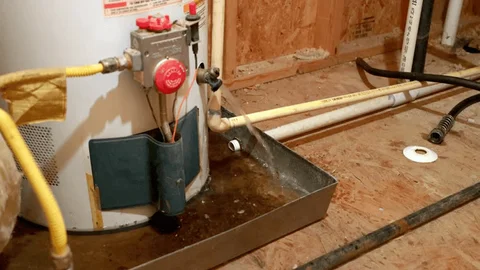
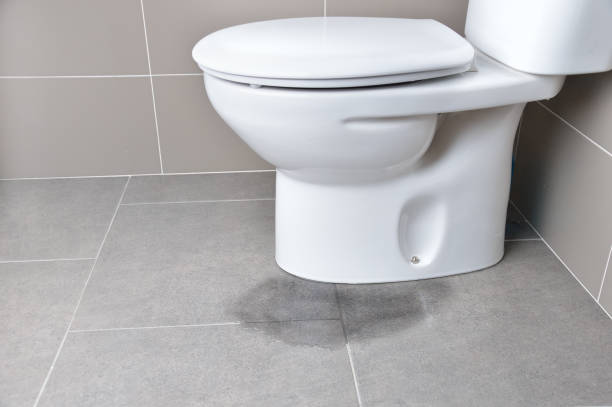
Water leaks or dampness near the unit
If there is water pooling, damp flooring, or moisture near the base of the heater, it could mean that the tank is damaged, the connections are loose, or the valves are failing. Even little leaks can make things less efficient and, if not fixed, can soon lead to big water damage.
Rust or corrosion on the tank or fittings
Rust on the tank, pipes, or fittings is a clear clue that the inside is getting worse. Once corrosion develops, the heater has a hard time keeping the water at the right temperature and pressure.
Parts that are broken or worn out
If the valves are cracked, the connections are loose, or the insulation is worn out, the system may not work as well as it should and lose heat. These problems make the heater work harder, which shortens its life.
Problems with the pilot light or indicator
A pilot light that goes out a lot is a danger indicator for gas heaters. Error codes or flashing lights on electric models often mean that the heating element or control has stopped working.
Strange smells near the unit
You should never overlook a stench like metal, burning, or gas around the heater. These smells could mean that something is overheating, there is an electrical problem, or there is a gas leak that has to be fixed right away by a professional.
When you see visible red flags, it usually means the problem has gotten worse than just normal wear and tear. Taking care of them early helps keep the system from breaking down, keeps people safe, and saves money on repairs.
Problems with performance that affect your daily life
When a water heater starts to break down, you can see it, but it also affects how your home works. These problems with performance are frequently the first signs that your hot water system is having trouble.
Delays in Hot Water
If it takes a long time for hot water to get to your taps or showers, it could be because of sediment accumulation or a broken heating element. This delay wastes water and shows that the heater is working too hard.
Sudden drops in temperature when in use
If you suddenly feel cold when taking a shower or washing dishes, that’s an obvious clue that your heating isn’t working right. Thermostat problems, mineral buildup, or heating elements that only work part of the time can all cause this.
Limited hot water for everyday tasks
It’s annoying when you run out of hot water rapidly. This usually means that the tank is too small, the parts are worn out, or there is sediment buildup. You might have to wait longer for things like doing laundry, taking a shower, or washing dishes.
Heating is not even across all fixtures.
If some taps give you enough hot water and others don’t, there could be a clog, corrosion, or pipe problems that are impacting the flow. If your heating is uneven, it might make you less comfortable and mean that there are bigger problems with the system.
More Energy Use
A heater that isn’t working right has to work more to keep the temperature stable, which can raise your gas or electricity bill. These performance problems generally come with higher energy expenses.
Signs that your water heater needs repair may show up in how well it works. If you see them early, you may fix them or call a professional before they break down completely and mess with your daily life.
Explaining Weird Smells, Sounds, and Changes in Water Quality
You can tell that your hot water isn’t heating up properly by what you hear, smell, or see. These signs often mean that there are difficulties within that influence both the heater’s effectiveness and the quality of the water.
Sounds like popping, rumbling, or banging
Sediment buildup at the bottom of the tank frequently makes loud or strange noises. When water gets hot, silt that is trapped in it generates pressure pockets, which make popping or rumbling sounds. This can harm the tank and heating elements over time, which makes them less efficient.
Smell of rotten eggs or sulfur
Bacteria reacting with minerals in the tank generates a pungent sulfur or “rotten egg” smell. This happens a lot in tanks with standing water or broken anode rods. Not only is smelly water bad, but it can also mean that your heater isn’t working as well as it used to.
Taste of Metal or Rust
If the water is brown, crimson, or metallic, it means there is rust inside the tank or pipes. Rust can block valves and make heating less effective, which can cause temperatures to be uneven and the hot water supply to run out faster.
Water that is cloudy or dirty
Hot water might look hazy because of sediment and mineral deposits. Cloudiness may not be harmful at first, but it shows that something is building up that will eventually affect how well the heater works and how long it lasts.
Bad or chemical smells
Overheating, broken parts, or contamination can all cause strange chemical scents. If you smell something strange near your hot water system, you should take care of it right away to protect your health.
Homeowners might find out about water heater problems early by paying attention to these sensory indicators. A deteriorating system generally shows its initial signals through strange smells, strange noises, and changes in the quality of the water. Ignoring these signs can lead to expensive repairs or replacements.
How the age of your water heater affects how well it heats water
Your water heater won’t last forever. Over time, typical wear and tear makes it less efficient and more likely to have difficulties. Knowing how aging impacts performance can help you avoid surprising failures.
How long does a water heater usually last?
Standard tank water heaters typically between 8 and 12 years, but tankless types can last between 15 and 20 years. After this time, parts wear down naturally, and the system becomes less efficient.
Signs that old parts are failing
These problems are more likely to happen with older heaters:
- Hot water that isn’t always there or isn’t enough
- Rust or corrosion on the inside of the tank
- Sediment deposit that changes temperature and pressure
- Weird sounds like hammering or popping
Less efficient over time
As heaters get older, sediment builds up at the bottom of the tank, which makes it harder for the water to heat up. When heating elements or thermostats wear out, the system has to work harder, which uses more energy and costs more to run.
More Likely to Leak and Get Damaged
Old tanks are more likely to leak, break, and rust. Leaks not only make it harder to get hot water, but they can also harm your home, so it’s better to replace them sooner rather than later.
When age is the only reason to replace it
Age is a risk factor even if your water heater seems to be working perfectly. If your unit is more than 10 years old and has some small problems, planning to replace it can stop it from breaking down suddenly and needing expensive emergency repairs.
Knowing how old your water heater is and how long it should last will help you avoid problems before they mess up your daily life. Regular maintenance and timely replacement keep hot water flowing smoothly.
The Dangers of Not Fixing Hot Water Heating Problems
It’s not only annoying when your hot water heater breaks down; it can also put your health, safety, and finances at danger in ways you can’t see. If you ignore early warning signs, small problems might turn into big problems.
Health Issues
- Bacterial Growth: Water that is still or has a lot of sediment can help bacteria like Legionella grow. This bacteria causes Legionnaires’ disease.
- Water that is dirty: Rust, water that is discolored, or bad smells may mean that the water is dirty, which makes it unsafe to drink, bathe, or cook with.
Risks to Safety
- Water Damage and Leaks: Over time, little leaks can damage floors, walls, and foundations.
- Pressure Buildup: Too much sediment or clogged valves can make the pressure inside the tank too high, which can lead to ruptures or explosions.
- Electrical or Gas Problems: Old heaters with bad wiring or gas pipes can cause short circuits, fires, or gas leaks.
More expensive utility bills
A heater that isn’t working well has to work harder to keep the temperature steady. This makes you use more electricity or gas, which over time will make your energy expenses go up a lot.
Damage to Property
Water damage can be very expensive if you don’t fix little leaks, corrosion, or broken valves. Fixing plumbing, flooring, and structural problems might cost a lot more than fixing them right away.
The heater will last less time.
The water heater becomes worse faster the longer problems go unsolved. Early intervention keeps your system running longer and stops it from breaking down all at once.
Knowing about the hidden dangers of a broken water heater shows how important it is to find problems early. Taking care of warning indicators right away can keep your health, house, and money safe from situations that could have been avoided.
Reasons Why Hot Water Heaters Don’t Work
Knowing why water heaters break down helps people find problems early and fix them. Most issues are caused by wear and tear, sediment buildup, or broken parts.
Buildup of Sediment
Over time, minerals in the water settle to the bottom of the tank. This layer of silt makes heating less efficient, makes popping or rumbling sounds, and can affect the life of heating elements. Flushing on a regular basis can help stop this from happening.
Heating elements that are worn out or broken
Heating elements are what electric water heaters use to heat water. If one element burns out or rusts, the water won’t become hot enough, which might lead to irregular heating or no hot water at all.
Problems with the thermostat
The thermostat sets the temperature of the water. If your thermostat is broken, the water can be excessively cold, too hot, or change temperature without warning. A fast and cheap option is often to replace a damaged thermostat.
Rust and corrosion
Over time, tanks and pipes inside them will naturally rust. Corrosion makes the tank weaker, can cause leaks, and makes heating less effective. If you can see rust or brown water, that’s a strong sign of corrosion.
Valves that don’t work and leaks
Connections that leak, pressure relief valves, or cracks in the tank might cut off the hot water supply and hurt nearby areas. If you don’t fix leaks, they usually get worse.
Wear and Tear Over Time
Older water heaters become less efficient and reliable, even if there are no evident faults. After 10 to 12 years, parts wear out, heating takes longer, and the chance of a sudden failure goes up.
Bad installation or upkeep
Failure can happen faster if the installation isn’t done right, routine maintenance isn’t done, or professional checks are skipped. Regular examinations help find tiny problems before they turn into big ones.
Homeowners can take steps to avoid problems with hot water, schedule maintenance, or decide when to replace it if they know what the most typical causes are. Early intervention saves money and stops problems from happening.
When to Get Help from a Professional and What to Do Next
It’s not enough to just know the indicators that your water heater is about to break. It’s just as crucial to act quickly and safely. If you try to address some problems yourself, they could be harmful or cost you a lot of money.
Why Fixing Things Yourself Can Be Dangerous
- Gas Heaters: If you don’t know what you’re doing, working with gas lines can lead to leaks, fires, or carbon monoxide poisoning.
- Electric heaters can give you electric shocks or short circuits if the wiring is exposed or the connections are broken.
- Tank Damage: Trying to fix a tank that is leaking or corroded might make the problem worse and cause floods.
When to Call a Professional
- Leaks that keep happening near the tank or valves
- Hot water that doesn’t work right or at all, even after trying to fix it
- Unusual scents, like gas or sulfur
- Strange sounds that don’t go better after flushing or making little changes
- Corrosion or rust that can be seen on the tank or pipes
Things to think about while deciding whether to fix or replace
Repair: Fixing small problems like changing the thermostat, adjusting the valve, or washing out sediment will frequently bring performance back to normal.
Replacement: Tanks that are more than 10 to 12 years old, need a lot of maintenance, or have a lot of rust and leaks usually need to be replaced completely. Professionals can figure out which option is cheaper: fixing or replacing.
Professional Maintenance to Prevent Problems
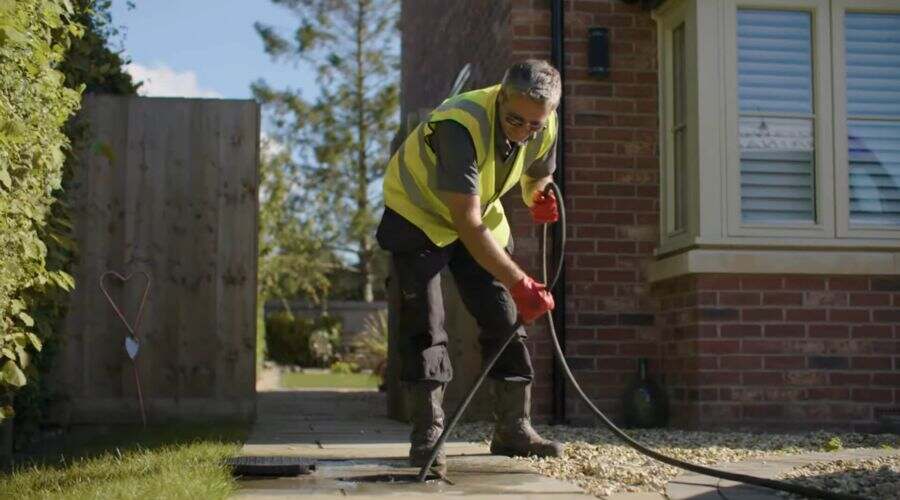
A yearly check-up is good for even a water heater that works well. A plumber can flush out sediment, inspect the valves, test the heating elements, and make sure the system works safely and efficiently.
What Homeowners Should Do Next
Check warning signs often.
- If you see more than one indicator, call a specialist to check it out.
- Choose between fixing or replacing based on how old it is, how bad it is, and how much it will cost.
- Routine maintenance will help your new or old heater last longer.
- Calling a pro at the correct time keeps your water heater safe, reliable, and efficient, which keeps your home safe and stops it from breaking down in an emergency.
In conclusion
One of the most crucial equipment in your home is your water heater. Small problems may rapidly evolve into big ones that cost a lot of money. You can discover problems early and save big repairs or replacements by paying attention to warning indicators like unexpected noises, leaks, bad smells, or temperature changes.
To keep your hot water system safe, efficient, and reliable, you should do regular maintenance, know what causes it to break down, and call a professional when you need to. Don’t wait until your bathroom is flooded or you have no hot water at all. Do something as soon as you see the indicators.
Go to Home Fix Services for more expert advice on how to take care of your property and fix plumbing problems. Make sure your home is secure, cozy, and works well!

Leave a Reply