
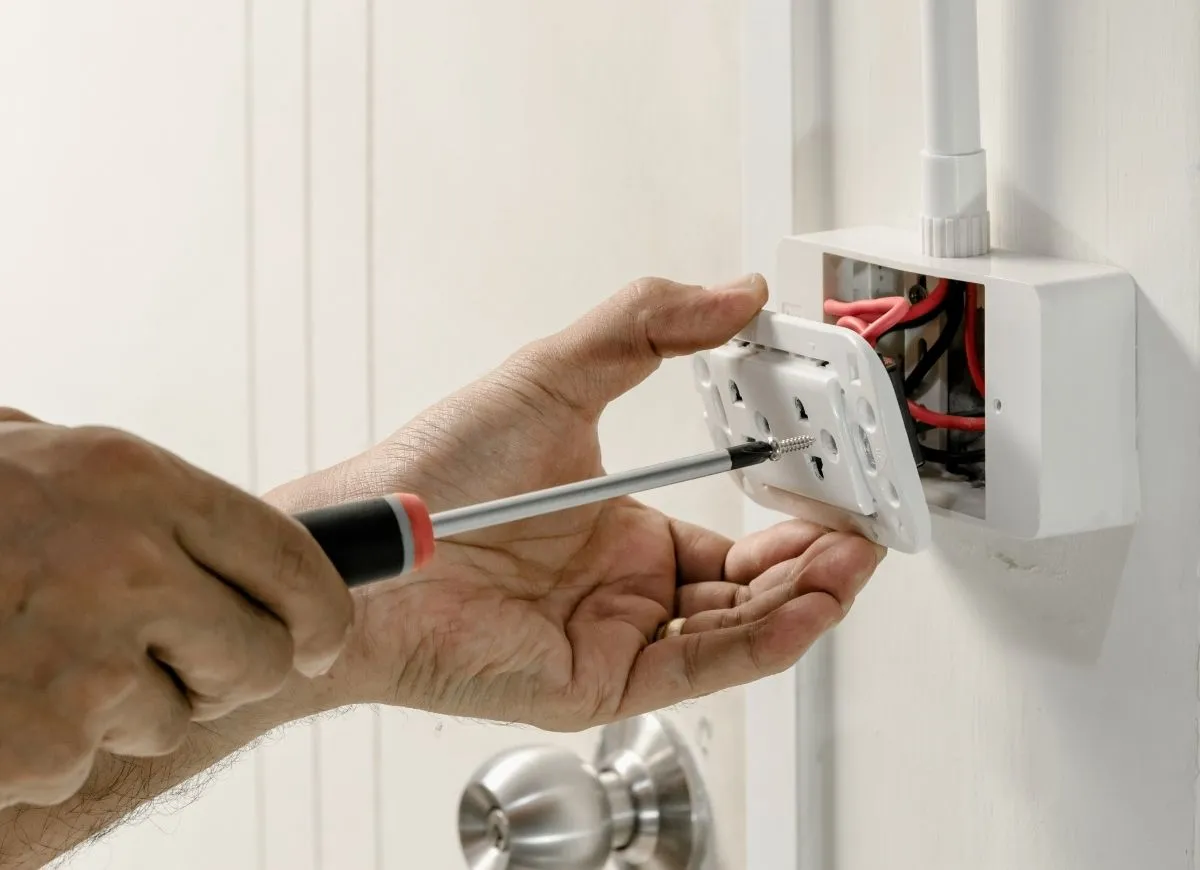

Outlet installation is a critical part of any home electrical system because electrical outlets are the main connection point between your appliances and your home’s power supply. Incorrect outlet installation can result in electric shocks, damaged devices, or even serious house fires. Many homeowners attempt DIY outlet installation to save money, but without proper guidance, this task can become dangerous very quickly. This in-depth guide from Home Fix Services explains how outlet installation should be done safely, following proper home electrical safety tips. By understanding the correct process, tools, and precautions, you can decide whether DIY outlet installation is right for you or if professional help is the safer option.
What Is Outlet Installation and Why It Matters in Home Electrical Systems
Outlet installation is the process of wiring and mounting an electrical receptacle that allows electricity to flow safely to devices such as chargers, appliances, and electronics. In a home electrical system, outlets are designed to handle specific voltage and current loads. When outlet installation is done incorrectly, wires may overheat, connections may loosen, and circuits can become overloaded.
Proper outlet installation ensures that electricity flows efficiently and safely throughout your home. It also protects sensitive electronics and reduces the risk of electrical hazards. Whether you are replacing an old outlet or installing a new one, understanding why outlet installation matters is the foundation of electrical safety.
DIY Outlet Installation vs Professional Electrician
DIY outlet installation can be tempting because it seems like a simple task, but it requires basic electrical knowledge and strict safety practices. Homeowners can safely perform DIY outlet installation when replacing an existing outlet with the same type and when wiring is already in good condition.
However, professional electricians are trained to handle complex home electrical systems. They understand electrical codes, load calculations, and advanced safety requirements. If outlet installation involves new wiring, damaged cables, or high-load outlets, hiring a professional electrician is always the safer decision. Knowing the limits of DIY outlet installation helps prevent costly and dangerous mistakes.
Tools and Materials Needed for DIY Outlet Installation
Before starting outlet installation, having the right tools and materials is essential. Using improper tools increases the risk of injury and poor workmanship.
Essential Tools for Outlet Installation
Outlet installation requires tools that allow precision and safety. A voltage tester confirms that power is off, preventing accidental shocks. Screwdrivers help remove and secure outlets properly, while wire strippers allow clean wire connections. Needle-nose pliers make it easier to shape wires for secure attachment. Each tool plays a role in ensuring the outlet installation is done correctly and safely.
Electrical Outlet Types Used in Home Electrical Systems
Not all outlets are the same, and choosing the correct type is part of safe outlet installation. Standard outlets are commonly used in living areas and bedrooms. GFCI outlets are required in areas where moisture is present, such as kitchens and bathrooms, because they protect against electric shock. AFCI outlets are designed to prevent electrical fires caused by arc faults. Understanding outlet types ensures your home electrical system meets modern safety standards.
Safety Gear Required for Electrical Work
Safety gear is often overlooked during DIY outlet installation, but it is extremely important. Insulated gloves protect your hands from accidental contact with live wires, while safety glasses shield your eyes from sparks or debris. Wearing proper safety gear significantly reduces the risk of injury during outlet installation.
Safety Tips Before Starting Outlet Installation
Preparation is the most important step in safe outlet installation. Rushing into electrical work without safety checks can lead to serious accidents.
Turn Off Power from the Electrical Panel
Before touching any outlet, you must turn off the circuit breaker connected to that outlet. This step ensures that no electricity is flowing during the installation process. Relying on wall switches alone is unsafe and should never be done.
Test for Live Electricity
Even after turning off the breaker, testing the outlet with a voltage tester is necessary. This confirms that the power is completely off and prevents accidental shocks during outlet installation.
Understand Local Electrical Codes
Electrical codes are designed to protect homeowners and properties. Following these rules during outlet installation ensures your home electrical system remains safe and legally compliant.
Know When DIY Outlet Installation Is Not Safe
If you notice signs such as burning smells, melted insulation, or buzzing sounds, DIY outlet installation should be stopped immediately. These signs indicate serious electrical problems that require professional attention.
Step-by-Step Outlet Installation Guide (DIY Outlet Method)
This step-by-step guide explains outlet installation in a simple and safe manner.
Step 1 – Shut Off Power for Outlet Installation
Turning off the breaker is the first and most important step. Always double-check with a voltage tester before proceeding. This step ensures a safe working environment.
Step 2 – Remove the Existing Electrical Outlet
Carefully remove the faceplate and unscrew the outlet from the electrical box. Pull the outlet out gently to avoid damaging the wires. This step prepares the space for proper outlet installation.
Step 3 – Identify Hot, Neutral, and Ground Wires
Correct wire identification is critical. The hot wire carries electricity, the neutral wire completes the circuit, and the ground wire provides safety. Misidentifying these wires can make outlet installation dangerous.
Step 4 – Connect Wires to the New Outlet Correctly
Wires must be connected to their correct terminals. Tight connections prevent overheating and ensure reliable power flow. This step is the core of safe outlet installation.
Step 5 – Secure Outlet and Install Faceplate
After wiring, carefully place the outlet back into the electrical box and secure it. Installing the faceplate completes the physical part of outlet installation.
Step 6 – Restore Power and Test the Outlet
Once the outlet is installed, turn the breaker back on and test the outlet. Successful testing confirms proper outlet installation.
Common Outlet Installation Mistakes to Avoid
Many electrical problems come from simple mistakes during outlet installation. Loose wires, reversed polarity, overcrowded boxes, and missing grounding are common errors that reduce safety and reliability. Avoiding these mistakes ensures long-term home electrical safety.
When to Call a Professional Instead of DIY Outlet Installation
DIY outlet installation has limits. If wiring is damaged, if the home has aluminum wiring, or if breakers trip frequently, professional help is required. High-load outlets should always be installed by licensed electricians to prevent electrical hazards.
GFCI Outlet Installation for Bathrooms, Kitchens, and Outdoor Areas
GFCI outlet installation is essential in areas exposed to water. These outlets automatically shut off power when a fault is detected, protecting users from electric shock. Installing GFCI outlets correctly is one of the most important home electrical safety upgrades.
Electrical Outlet Installation Safety Checklist
Before completing outlet installation, reviewing a safety checklist helps ensure nothing was missed. Confirming power shutdown, correct wiring, secure mounting, and proper testing guarantees a safe installation.
Cost of Outlet Installation – DIY vs Professional
DIY outlet installation is inexpensive but carries risk if done incorrectly. Professional outlet installation costs more but includes expertise, safety checks, and code compliance. Comparing both options helps homeowners make informed decisions.
FAQs About Outlet Installation and Home Electrical Safety
Many homeowners ask whether DIY outlet installation is legal, how long it takes, and which outlets are safest. Understanding these answers improves confidence and safety when working with home electrical systems.
Final Thoughts on Safe Outlet Installation
Outlet installation is not just about convenience—it is about safety. Proper outlet installation protects your home, your appliances, and your family. While DIY outlet installation can be done safely with the right knowledge, professional services like Home Fix Services ensure expert workmanship and long-term peace of mind. Always prioritize safety when working with electricity.

Leave a Reply