
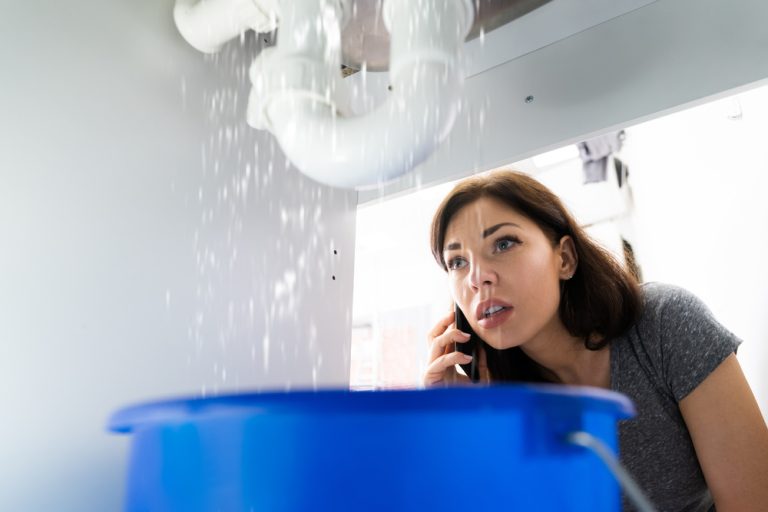

Plumbing emergency examples are situations every homeowner should understand because plumbing emergencies can happen without warning and cause serious damage if not handled quickly. Knowing common plumbing emergency examples helps you recognize urgent problems, take immediate action, and decide when to call a professional plumber. In this detailed guide by HomeFix Services, we explain real plumbing emergency examples, how to handle them safely, and how to prevent future plumbing disasters before they turn into costly repairs.
Common Plumbing Emergency Examples
Plumbing emergency examples often involve sudden water leaks, sewage problems, or complete system failures that disrupt daily life. These emergencies require fast action to minimize property damage and health risks.
Burst Pipes and Major Leaks
Burst pipes are among the most severe plumbing emergency examples. They usually occur due to freezing temperatures, old piping, or high water pressure. When a pipe bursts, water can flood walls, ceilings, and floors within minutes. Shutting off the main water valve immediately is critical while waiting for professional repair.
Overflowing Toilets
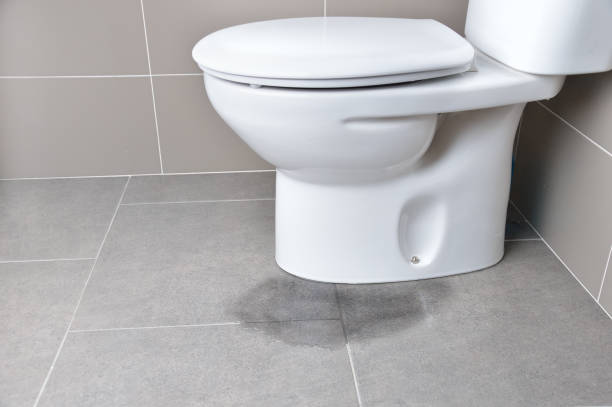
An overflowing toilet is a stressful plumbing emergency example that can cause water damage and contamination. Blockages, sewer backups, or malfunctioning components often trigger this issue. Avoid flushing again and turn off the toilet’s water supply to prevent further overflow.
Severe Drain and Sewer Clogs
When multiple drains back up at once, it signals a serious plumbing emergency example related to the main sewer line. These clogs can cause wastewater to flow back into sinks, tubs, and toilets, creating unsafe conditions inside the home.
No Water or Sudden Loss of Pressure
A sudden loss of water or pressure is another plumbing emergency example that may indicate a hidden leak, broken main line, or municipal supply issue. This situation affects hygiene, cooking, and overall household functionality.
Gas Line–Related Plumbing Emergencies
Gas leaks connected to plumbing systems are dangerous plumbing emergency examples. If you smell gas, evacuate immediately and contact emergency services before calling a licensed plumbing professional.
Water Heater Failures
Water heater problems are common plumbing emergency examples, especially in older homes or systems lacking regular maintenance.
No Hot Water Emergencies
Waking up to no hot water can indicate heating element failure, thermostat issues, or pilot light problems. While not always destructive, this plumbing emergency example disrupts daily routines and requires quick professional diagnosis.
Water Heater Leaks
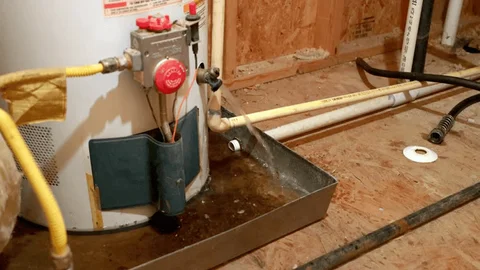
A leaking water heater is a serious plumbing emergency example. Small leaks can quickly worsen, leading to flooding and structural damage. Turning off the water supply and power source is essential until repairs are made.
Strange Noises or Pressure Buildup
Popping or banging noises signal sediment buildup or pressure issues inside the tank. Ignoring this plumbing emergency example can result in tank rupture.
Pilot Light or Electrical Failures
Gas and electric water heaters can fail unexpectedly due to ignition or wiring issues. These plumbing emergency examples should always be handled by trained technicians for safety.
Flooding Caused by Tank Rupture
A ruptured water heater tank can release dozens of gallons of water rapidly. This plumbing emergency example requires immediate water shutoff and professional replacement.
Sewer Line Backups
Sewer line backups are some of the most hazardous plumbing emergency examples due to contamination risks.
Warning Signs of a Sewer Backup
Slow drains, gurgling sounds, and foul odors are early plumbing emergency examples signaling sewer issues.
Causes of Sewer Line Blockages
Tree roots, grease buildup, collapsed pipes, and foreign objects are common causes behind these plumbing emergency examples.
Health Risks of Sewer Backups
Exposure to raw sewage poses serious health risks, making this plumbing emergency example particularly urgent.
Immediate Steps to Take During a Backup
Stop using water, shut off fixtures if possible, and keep people away from affected areas until professionals arrive.
Professional Sewer Line Repair Solutions
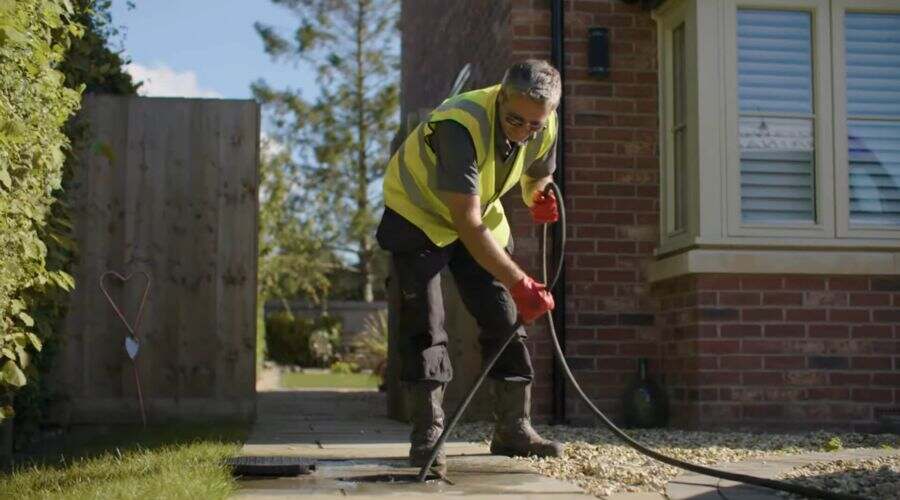
Licensed plumbers use camera inspections, hydro jetting, and trenchless repairs to resolve sewer-related plumbing emergency examples efficiently.
Preventing Plumbing Emergencies
Understanding how to prevent plumbing emergency examples is just as important as knowing how to respond to them.
Routine Plumbing Inspections
Regular inspections help identify weak pipes, leaks, and wear before they become plumbing emergency examples.
Proper Drain Usage and Maintenance
Avoid flushing non-flushable items and pouring grease down drains to reduce the risk of plumbing emergency examples.
Water Pressure Monitoring
High water pressure strains pipes and appliances, increasing the likelihood of plumbing emergency examples.
Winter Pipe Protection Tips
Insulating pipes and maintaining indoor temperatures prevents freezing, one of the leading plumbing emergency examples.
Knowing Where Emergency Shut-Off Valves Are
Quick access to shut-off valves can significantly reduce damage during plumbing emergency examples.
When to Call Us for Help
Some plumbing emergency examples require immediate professional attention to protect your home and family.
24/7 Emergency Plumbing Services
Our team responds quickly to all plumbing emergency examples, day or night.
Fast Response Times
Rapid response minimizes water damage and restoration costs during plumbing emergency examples.
Licensed and Experienced Emergency Plumbers
Our licensed plumbers are trained to handle all types of plumbing emergency examples safely and efficiently.
Transparent Pricing and Honest Advice
We provide clear estimates and practical solutions for every plumbing emergency example.
Customer Satisfaction Commitment
Your safety and comfort are our top priorities when handling plumbing emergency examples.
Final Thoughts
Plumbing emergency examples can range from minor leaks to severe system failures, but knowing how to identify and handle them makes a major difference. Early action, preventive care, and professional support help protect your home from costly damage.

Leave a Reply