
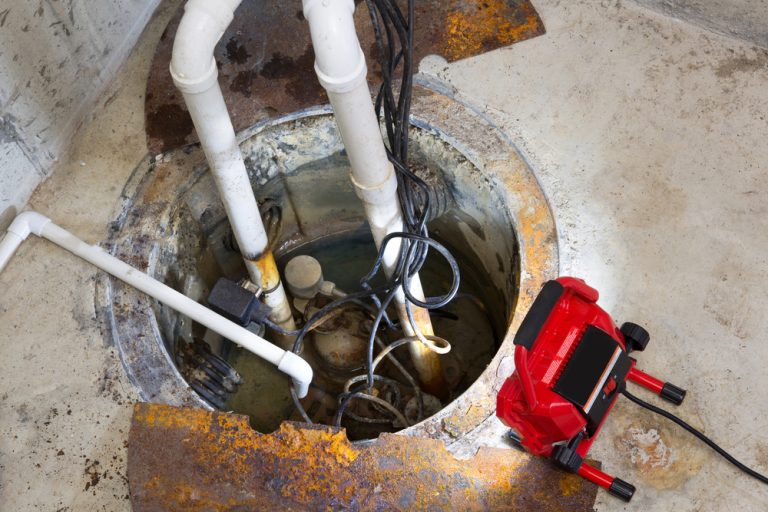

Recognizing the signs of ejector pump failure early can help homeowners avoid serious plumbing damage, sewage backups, and costly repairs. An ejector pump plays a critical role in moving wastewater from lower-level bathrooms, basements, or laundry rooms up into the main sewer line. When this system begins to fail, warning signs often appear before a complete breakdown occurs. In this detailed guide, we explain the most common signs of ejector pump failure, what they mean, and why taking action quickly is essential. At HomeFix Services, we help homeowners identify ejector pump problems early and provide reliable repair or replacement solutions.
Dirty Water Flowing Through Your System
Why Dirty Water Indicates Ejector Pump Failure
One of the most noticeable signs of ejector pump failure is dirty or contaminated water flowing back through sinks, toilets, or floor drains. An ejector pump is designed to push wastewater upward and out of your home. When the pump begins to fail, it may not generate enough power to move waste efficiently, causing wastewater to flow backward or stagnate in the system.
This backflow often appears as dark, cloudy water and may contain debris or waste particles. It is a clear indication that the ejector pump is no longer performing its intended function.
Potential Risks of Ignoring Dirty Water Flow
Ignoring dirty water flow can lead to serious health and property risks. Wastewater contains bacteria and harmful contaminants that pose health hazards to occupants. Continued backflow can also damage plumbing fixtures, flooring, drywall, and personal belongings.
Addressing ejector pump failure at the first sign of dirty water helps prevent sewage exposure and extensive cleanup costs.
Sewage Odors in Your Space
Causes of Sewage Smells from Ejector Pump Issues
Persistent sewage odors are another strong indicator of ejector pump failure. When the pump cannot move waste efficiently, sewage may sit in the basin longer than intended. This stagnant waste produces unpleasant and potentially hazardous odors that spread throughout the home.
Blocked vent lines, failing seals, or incomplete waste discharge caused by a malfunctioning ejector pump can all contribute to persistent sewer smells.
When Sewage Odors Become a Serious Warning Sign
Occasional odors may occur after heavy system use, but continuous or worsening sewage smells should never be ignored. Strong odors often signal a failing pump or a blockage that could soon result in a sewage backup.
Prompt inspection and repair help eliminate odors and reduce the risk of contamination.
Pump Fails to Start or Runs Slowly
Electrical or Mechanical Reasons for Pump Failure
If your ejector pump fails to start or runs noticeably slower than usual, it may be experiencing electrical or mechanical problems. Common causes include motor failure, damaged wiring, tripped breakers, or malfunctioning float switches.
Over time, wear and tear on internal components can reduce the pump’s efficiency, making it struggle to activate or operate at full capacity.
Impact of Slow or Non-Responsive Pump Operation
A slow or non-responsive ejector pump cannot remove wastewater fast enough, leading to system backups and overflow risks. Continued operation under strain can also accelerate damage to the motor and shorten the pump’s lifespan.
Early diagnosis helps prevent complete pump failure and emergency plumbing situations.
Frequent or Constant Cycling of the Pump
What Causes Short Cycling in Ejector Pumps
Frequent or constant cycling occurs when the ejector pump turns on and off more often than normal. This is often caused by a faulty float switch, improper pump sizing, or incorrect installation.
Short cycling forces the pump to work harder than designed, increasing wear on internal components.
Why Constant Cycling Leads to Pump Failure
Constant cycling can cause the motor to overheat and fail prematurely. It also increases energy consumption and reduces overall system efficiency.
Correcting cycling issues early can significantly extend the life of the ejector pump and improve system reliability.
Unusual Noises Coming from the Pump
Common Noises and What They Mean
Unusual noises such as grinding, rattling, banging, or loud humming are common signs of ejector pump failure. These sounds often indicate damaged impellers, loose components, or debris inside the pump.
Noises may start subtly but typically worsen as internal damage progresses.
When Noises Signal Immediate Attention Is Needed
Any sudden or persistent unusual noise should be treated as an urgent warning. Ignoring these sounds can result in total pump failure and sewage backups.
Professional inspection can identify the cause of the noise and determine whether repair or replacement is necessary.
Final Thoughts on Signs of Ejector Pump Failure
Understanding the signs of ejector pump failure allows homeowners to take action before serious damage occurs. Dirty water flow, sewage odors, slow operation, constant cycling, and unusual noises all indicate that your ejector pump may be struggling or nearing failure.
If you notice any of these warning signs, professional inspection is essential. For expert ejector pump repair, replacement, and inspection services, contact Home Fix Services today.
Call Now: 380 979 0328


Leave a Reply