
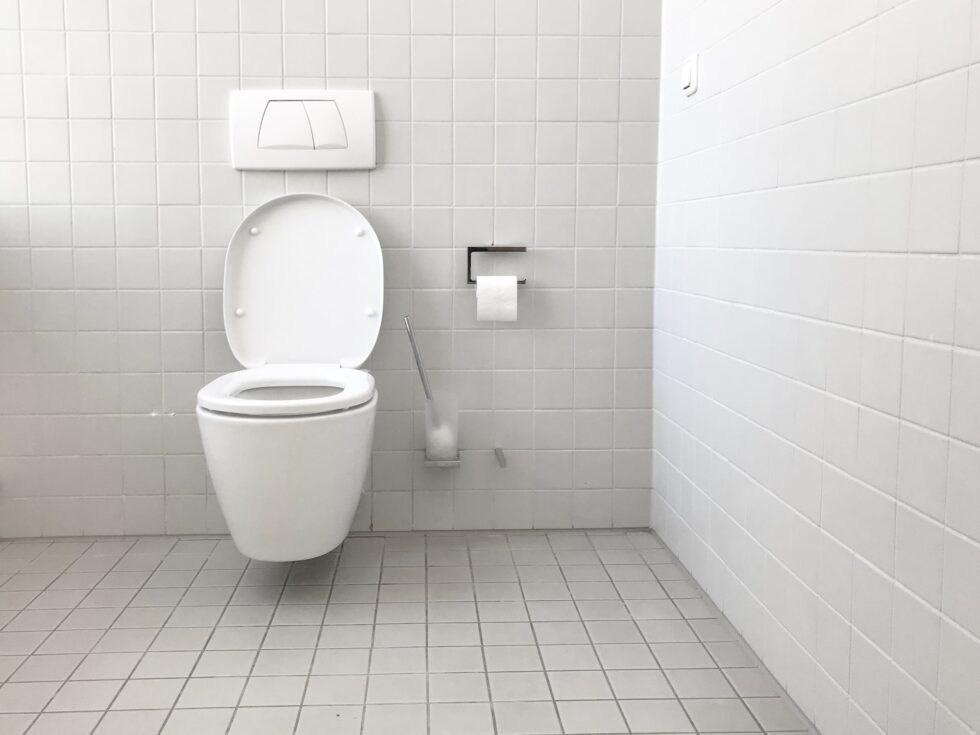

A leaking toilet is one of the most common yet overlooked plumbing problems in homes. Many homeowners delay fixing minor leaks, assuming they are harmless, but without proper toilet leak repair, these small issues can quickly turn into expensive plumbing disasters. From silent running toilets to water pooling around the base, toilet leaks waste clean water, increase utility bills, and can damage floors and walls. This complete guide explains every major type of toilet leak, why it happens, and how it can be stopped, while also focusing on water waste prevention and long-term plumbing health.
Why Toilet Leak Repair Is Important for Every Home
This section explains why toilet leaks should never be ignored.
Toilets use more water than almost any other fixture in a home. When a leak develops, even a small one, it can waste hundreds or even thousands of gallons of water over time. A running or dripping toilet may not cause immediate flooding, but it creates ongoing water loss that increases monthly water bills without homeowners realizing it.
Beyond financial impact, toilet leaks can:
- Damage bathroom flooring
- Cause mold and mildew growth
- Weaken subfloors
- Create unpleasant odors
Proper toilet leak repair protects both your plumbing system and your home’s structure. Fixing leaks early prevents costly repairs and improves water efficiency.
Most Common Toilet Leaks and Their Causes
This section explains where toilet leaks usually come from and why understanding the source is critical.
Not all toilet leaks are the same. Some leaks are visible and easy to detect, while others are hidden and silently waste water. Knowing the type of leak helps determine whether it can be fixed with a simple DIY plumbing fix or if professional help is required.
Toilet Leak Repair for Leaking Toilet Tanks
This subsection explains why toilet tanks leak and how to recognize the problem.
The toilet tank holds water for flushing, and it contains several seals and bolts that wear out over time. When these components fail, water can leak from the back or sides of the toilet.
Common causes include:
- Loose tank-to-bowl bolts
- Worn rubber washers or gaskets
- Hairline cracks in the porcelain tank
Tank leaks often cause water to drip slowly, making them easy to ignore. However, continuous dripping increases moisture levels and can damage nearby walls or floors. Early toilet leak repair usually involves tightening bolts or replacing worn seals.
Toilet Leak Repair for Toilet Leaking at the Base
This subsection explains why water appears around the toilet base.
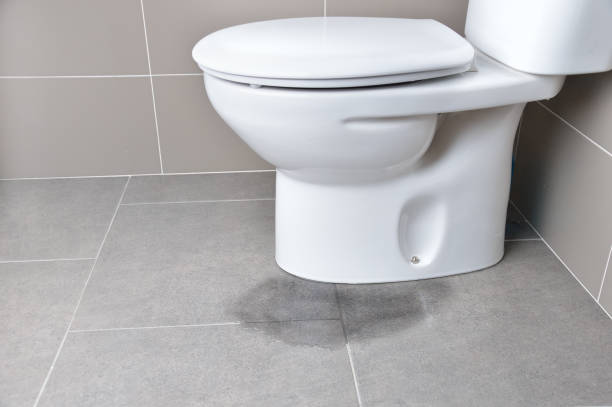
A toilet leaking at the base is usually caused by a failed wax ring. The wax ring creates a watertight seal between the toilet and the drain pipe. Over time, this seal can break down due to age, movement, or improper installation.
Base leaks are serious because:
- Water flows under the toilet
- Damage occurs beneath the floor
- Mold and rot develop unnoticed
This type of toilet leak repair often requires removing the toilet and replacing the wax ring correctly to stop further damage.
Running Toilet Leak Repair and Silent Water Waste
This subsection explains why running toilets are dangerous despite no visible leaks.
A running toilet continuously sends water from the tank into the bowl. This happens silently, making it one of the most wasteful plumbing issues.
Common causes include:
- Worn flapper valve
- Incorrect float adjustment
- Overflow tube problems
Running toilets are a major threat to water waste prevention because they can waste thousands of gallons per year. Fixing this issue quickly is one of the most effective ways to reduce water usage.
Toilet Supply Line Leak Repair
This subsection explains leaks caused by the water supply line.
The supply line connects your toilet to the home’s water system. When this line leaks, it can cause sudden flooding or slow moisture buildup.
Common reasons include:
- Loose connections
- Corroded metal hoses
- Cracked plastic fittings
Replacing a damaged supply line is a straightforward plumbing fix but should not be delayed, as supply line leaks can worsen rapidly.
How to Identify a Leaking Toilet Early
This section explains how homeowners can detect toilet leaks before damage occurs.
Early detection is key to preventing expensive repairs. Some leaks are obvious, while others require testing.
Signs of a leaking toilet include:
- Water puddles near the toilet
- Damp flooring or musty odors
- Sounds of running water when not in use
- Sudden increases in water bills
A food coloring test is a simple way to detect internal leaks. Adding dye to the tank and checking the bowl later can confirm the need for toilet leak repair.
DIY Toilet Leak Repair Solutions for Homeowners
This section explains which toilet leaks can be safely fixed at home.
Many toilet leaks are minor and can be repaired without professional tools. DIY repairs save money and help homeowners understand their plumbing system better.
Before starting any repair:
- Turn off the water supply
- Empty the tank
- Use proper tools
DIY repairs work best for early-stage leaks.
Fixing a Running Toilet Leak at Home
This subsection explains step-by-step fixes for running toilets.
Most running toilets are caused by flapper or float issues. Replacing a worn flapper or adjusting the float usually stops the leak immediately.
This type of toilet leak repair is one of the easiest and most cost-effective plumbing fixes for homeowners.
Repairing Toilet Tank Leaks Safely
This subsection explains how to handle tank leaks without damaging porcelain.
Tank bolts and gaskets must be tightened carefully. Over-tightening can crack the tank, leading to expensive replacements.
Replacing worn gaskets and evenly tightening bolts usually resolves tank leaks safely.
Stopping Toilet Base Leaks with Proper Repair
This subsection explains why base leaks require extra care.
Replacing a wax ring involves lifting the toilet, which can be difficult for beginners. Improper installation can cause recurring leaks.
If the floor is damaged or uneven, professional toilet leak repair is recommended.
When Professional Toilet Leak Repair Is Necessary
This section explains when DIY repairs are not enough.
Some toilet leaks indicate deeper plumbing problems. Repeated leaks, cracked porcelain, or water-damaged flooring require expert diagnosis.
Professional plumbers ensure:
- Proper sealing
- Long-term repairs
- Structural safety
Calling a professional prevents repeated failures and costly damage.
Preventing Future Toilet Leaks and Water Waste
This section explains how prevention saves money and water.
Regular inspections, early part replacement, and quality materials reduce the risk of leaks. Preventive maintenance supports long-term water waste prevention and reduces emergency repairs.
Toilet Leak Repair Cost Breakdown
This section explains what homeowners can expect to pay.
Costs vary based on the type of leak, materials required, and labor involved. DIY repairs are cheaper, while professional services offer reliability and peace of mind.
Frequently Asked Questions About Toilet Leak Repair
This section answers common user concerns, helping readers make informed decisions and improving search visibility.
Final Thoughts on Common Toilet Leaks and How to Stop Them
This conclusion reinforces why timely toilet leak repair matters.
Fixing leaks early protects your home, reduces water bills, and prevents structural damage. Whether through DIY fixes or professional help, addressing toilet leaks promptly ensures a safe and efficient plumbing system.
Trusted Plumbing Help
For expert inspections, reliable repairs, and long-term plumbing solutions, visit
Home Fix Services.us

Leave a Reply