
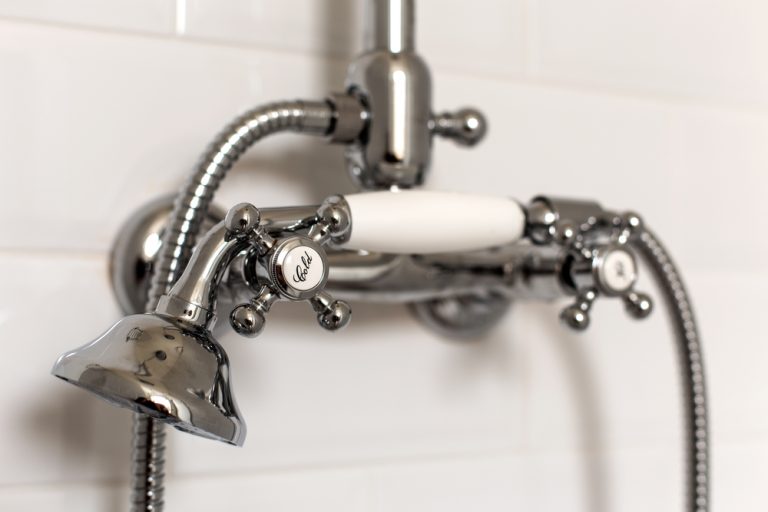

Low water pressure is one of the most frustrating plumbing problems homeowners face, especially when it affects daily tasks like showering, washing dishes, or doing laundry. If you’re asking why is your water pressure low, you’re not alone—this issue is extremely common in both older and newer homes. In this complete guide by Home Fix Services, we’ll explain the main causes of low water pressure, how to identify the root problem, and when it’s time to consider professional plumbing solutions to restore strong, consistent water flow.
Understanding What Low Water Pressure Means
What Is Normal Household Water Pressure?
Normal residential water pressure typically ranges between 40 to 60 PSI (pounds per square inch). Anything below this range can feel weak, slow, or inconsistent at faucets and fixtures.
Common Signs of Low Water Pressure
- Weak shower spray
- Faucets taking longer to fill sinks or tubs
- Appliances like washing machines running inefficiently
- Pressure drops when multiple fixtures are used
Why Low Water Pressure Shouldn’t Be Ignored
Low pressure isn’t just an inconvenience—it often signals hidden plumbing problems. Ignoring it can lead to pipe damage, water leaks, and higher repair costs over time.
Reason #1: Clogged or Corroded Pipes Causing Low Water Pressure
How Mineral Buildup Restricts Water Flow
Hard water minerals like calcium and magnesium can slowly accumulate inside pipes, narrowing the passage for water and reducing pressure.
Signs Your Pipes May Be Clogged or Corroded
- Discolored or rusty water
- Uneven pressure throughout the house
- Frequent plumbing repairs
When Pipe Replacement Becomes Necessary
In older homes with galvanized steel pipes, corrosion is often unavoidable. Repiping may be the only long-term solution to permanently fix low water pressure.
Reason #2: Faulty Pressure Regulator
What a Pressure Regulator Does
A pressure regulator controls how much force water enters your home with, protecting pipes and fixtures from damage.
How Pressure Regulators Fail Over Time
Internal springs and valves wear out, causing sudden drops or fluctuations in water pressure.
How Plumbers Test and Adjust Regulators
Professional plumbers use pressure gauges to determine if the regulator is failing and whether it can be adjusted or must be replaced.
Reason #3: Hidden Plumbing Leaks Lowering Water Pressure
Hidden vs. Visible Leaks
Leaks behind walls, under slabs, or underground often go unnoticed but significantly affect water pressure.
How Leaks Reduce Water Pressure
When water escapes before reaching fixtures, pressure drops throughout the system.
Warning Signs of Plumbing Leaks
- Unexpectedly high water bills
- Damp walls or floors
- Mold or mildew odors
Prompt leak detection prevents structural damage and restores proper pressure.
Reason #4: Partially Closed Shut-Off Valves
Main Water Shut-Off Valve Issues
If the main valve isn’t fully open—often after maintenance—your entire home can experience low pressure.
Fixture-Specific Valve Problems
Sinks, toilets, and washing machines have individual shut-off valves that may be partially closed.
How to Safely Check Valve Positions
Turn valves counterclockwise gently until fully open. If valves are stuck or damaged, professional help is recommended.
Reason #5: Municipal Water Supply Problems
City Maintenance or Line Repairs
Temporary drops in pressure may be caused by municipal work or emergency repairs.
Shared Water Lines in Older Neighborhoods
In some areas, multiple homes share a single supply line, leading to pressure drops during peak usage times.
How to Confirm External Water Supply Issues
Check with neighbors or your local water authority to rule out city-side problems.
Reason #6: Outdated or Undersized Plumbing Pipes
Common Problems in Older Homes
Older plumbing systems often weren’t designed for modern water usage demands.
Why Pipe Diameter Matters
Smaller pipes restrict flow, especially when multiple fixtures run simultaneously.
Benefits of Modern Plumbing Materials
Upgrading to PEX or copper piping improves water flow, pressure consistency, and system durability.
Reason #7: High Household Water Demand
Using Multiple Fixtures at Once
Running showers, dishwashers, and washing machines together strains the plumbing system.
Water-Heavy Appliances and Pressure Drops
Older appliances may use more water than necessary, affecting pressure.
Solutions to Balance Household Water Usage
- Stagger appliance use
- Install water-efficient fixtures
- Upgrade plumbing infrastructure
Considering New Plumbing Options to Fix Low Water Pressure
When Repiping Is the Best Solution
If pressure issues are widespread and recurring, repiping provides a permanent fix.
Upgrading Fixtures for Better Pressure
Modern faucets and showerheads are designed to optimize flow without wasting water.
How Professional Plumbers Assess Plumbing Upgrades
Licensed plumbers perform full system evaluations to recommend the most cost-effective solution.
When to Call a Professional Plumber for Low Water Pressure
Problems You Should Never DIY
- Pressure regulator replacement
- Hidden leak detection
- Pipe corrosion and repiping
Diagnostic Tools Professionals Use
- Pressure gauges
- Leak detection equipment
- Camera pipe inspections
Long-Term Benefits of Expert Plumbing Solutions
Professional repairs ensure safety, efficiency, and long-lasting results.
Final Thoughts on Fixing Low Water Pressure
Low water pressure is rarely random—it’s almost always a sign of an underlying plumbing issue. Whether it’s clogged pipes, faulty regulators, or outdated plumbing, identifying the cause early saves money and prevents major damage. Home Fix Services specializes in diagnosing and fixing low water pressure problems with reliable, expert solutions that restore comfort and performance to your home.

Leave a Reply